

12V vs 24V LED Strip: Which One Is Right for Your Project?
12V vs 24V LED Strip: Which One Is Right for Your Project?
What Are the Pros and Cons of Using 12V LED Strips?
What Is the Difference Between 12V and 24V LED Strip?
What Are the Pros and Cons of Using 24V LED Strips?
Which Is Better: 12V or 24V LED Strip?
Is There a Brightness Difference Between 12V and 24V LED Strips?
LED Strip Lights 12V or 24V, Which One to Choose?
What Do You Need to Know About 12V vs 24V LED Strip Lighting?
How to Choose the Right Power Supply?
When to Use 12V vs 24V LED Tape Light?
What Are the Key Considerations When Installing LED Strip Lights?
LED Strip Lights 12V vs 24V Conclusion
LED Strip 12V vs 24V FAQ
Final Thought
What Is Voltage, and Why Does It Matter for LED Strips?

What Are the Pros and Cons of Using 12V LED Strips?
Pros:
-
Perfect for short runs like under-cabinet lighting, RV interiors, or display cases.
-
Compatible with car batteries and many off-the-shelf adapters.
-
Cut points every 1–3 LEDs (e.g., on SMD 5050 LED strip 12V or 12V 2835 LED strip), offering maximum flexibility.
-
Huge variety of styles: RGB LED strip lights 12V, warm white 12V LED strip, blue LED strip 12V, white LED strip lights 12V, red LED strip lights 12V, and even 12V COB LED strip for seamless illumination.
-
Easy to find waterproof 12V LED strip options rated IP65, IP67 or IP68 for bathrooms or outdoor use.
Cons:
-
Suffers noticeable LED strip voltage drop beyond 5 meters (16 feet).
-
Requires thicker wiring or multiple power feeds for longer installations.
-
High density LED tape (e.g., high density LED strip 12V) draw significant current, increasing heat and risk of failure if undersized.
 |
 |
 |
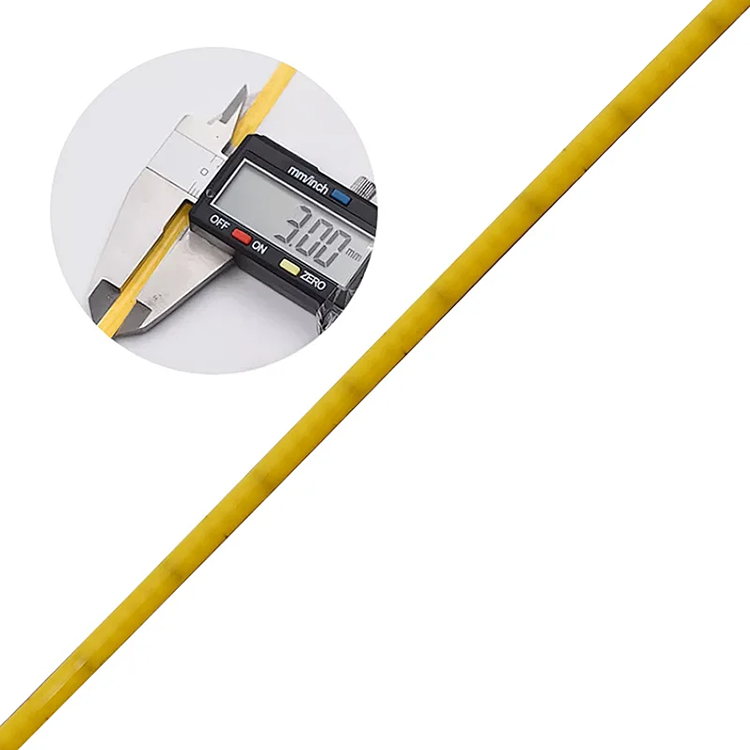
Thin LED Strip 12V |
12V COB LED Strip |
White LED Strip Lights 12V |
 |
 |
 |
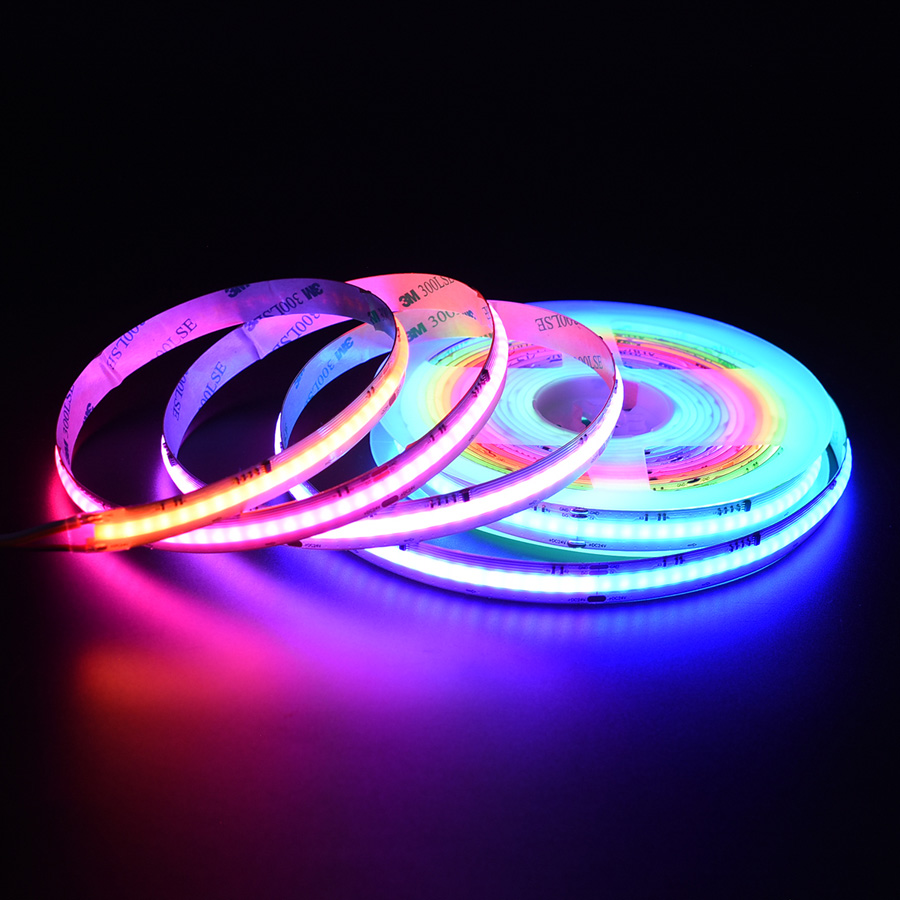
RGB LED Strip Lights 12V |
12V Addressable LED Strip |
Waterproof LED Strip Lights 12V |
What Are the Pros and Cons of Using 24V LED Strips?
Pros:
-
Minimal LED strip voltage drop—runs up to 10+ meters (33+ ft) without dimming.
-
Draws half the current of a comparable 12V LED strip, reducing heat and wire size.
-
Ideal for 24V COB LED strip, 24V RGB LED strip, tunable white LED strip 24V, and strip LED RGBW 24V in long or high-lumen applications.
-
Available in waterproof 24V LED strip light versions with IP65, IP67 and IP68 ratings.
-
Better for dimmer per strip LED 24V setups due to stable voltage delivery.
Cons:
-
Fewer DIY-friendly accessories (e.g., controllers, connectors).
-
Not compatible with 12V systems—never interchange power supplies.
-
Cut points less frequent (typically every 6 LEDs), limiting ultra-precise trimming.
 |
 |
 |
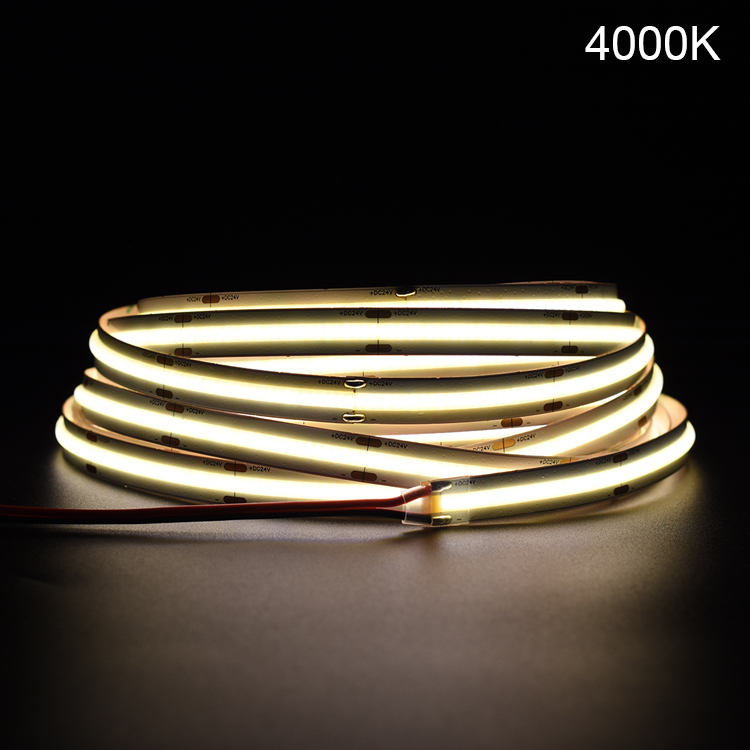
24V COB LED Strip |
Extra Long LED Strip Lights |
Brightest LED Strip Lights |
 |
 |
 |
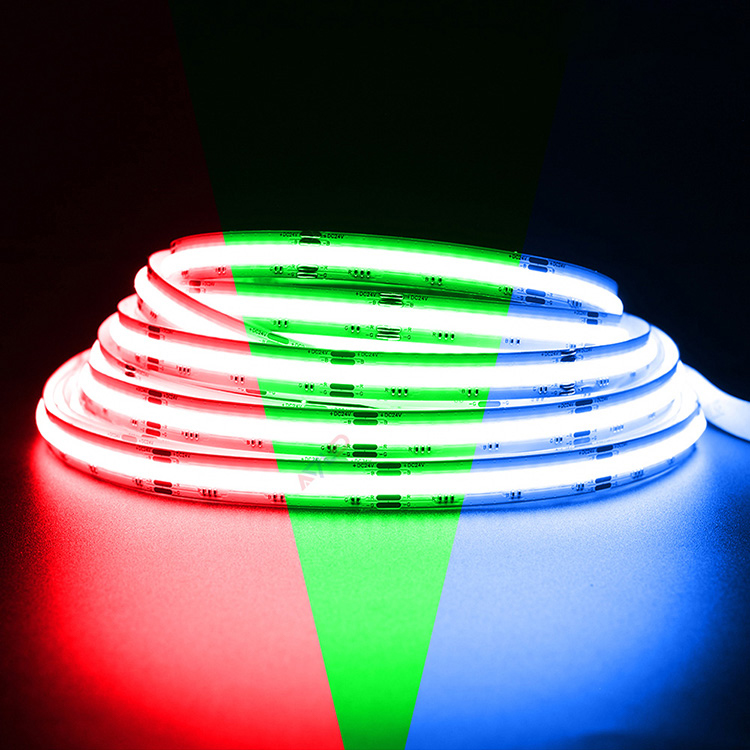
RGB LED Strip 24V |
Strip LED RGBW 24V |
24V LED Strip Light Waterproof |
What Is the Difference Between 12V and 24V LED Strip?
-
12V LED strips group 3 LEDs with one resistor per segment.
-
24V LED strips group 6 LEDs per segment.
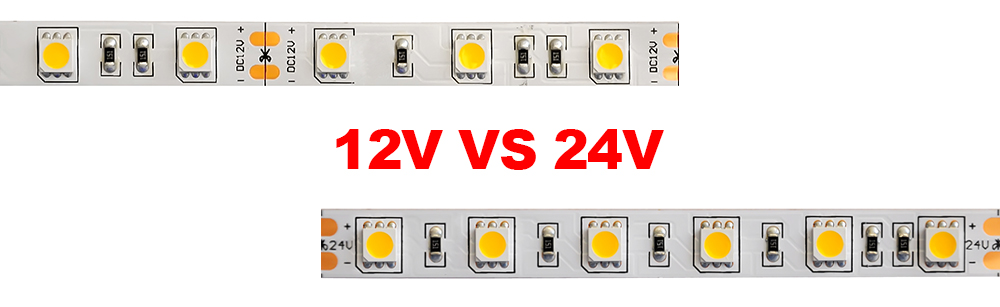
12V vs 24V LED Strip Lights: What Are the Key Differences?
|
Feature
|
12V LED STRIP LIGHTS
|
24V LED STRIP LIGHTS
|
|---|---|---|
|
Max run without drop
|
~5m
|
~10m+
|
|
Cut frequency
|
Every 1–3 LEDs
|
Every 6 LEDs
|
|
Current draw
|
Higher
|
~50% lower
|
|
Wire gauge needed
|
Thicker (16–18 AWG)
|
Thinner (20–22 AWG ok)
|
|
Best for
|
DIY, small indoor, automotive
|
Commercial, long runs, outdoor
|
|
Waterproof options
|
Yes (IP65, IP67, IP68)
|
Yes (IP65, IP67, IP68)
|
|
Popular types
|
12V RGB light strips,12V addressable LED strip,12V dotless LED strip
|
24V RGBW LED tape,COB 24V LED strip,strip LED 2835 24V
|
|
Power availability
|
Very common
|
Growing, but less in retail
|
Which Is Better: 12V or 24V LED Strip?
-
Choose 12V for:
-
5m 12V LED strip under cabinets
-
12V flexible LED strip in a bookshelf
-
12VDC LED light strips in a camper
-
Quick retrofits with existing 12V DC LED strip systems
-
-
Choose 24V for:
-
LED strip 24V 5m ceiling coves
-
24V LED strip lighting in retail stores
-
Waterproof 24V LED strip light along driveways
-
High-density or best 24V LED strip lights installations
-
Is There a Brightness Difference Between 12V and 24V LED Strips?
LED Strip Lights 12V or 24V, Which One to Choose?
-
How long is my run?
-
Where am I installing?
-
What type of strip?
-
Do I need waterproofing?
-
Am I using smart control?

What Do You Need to Know About 12V vs 24V LED Strip Lighting?
-
LED strip lighting 12V is versatile and beginner-friendly.
-
LED strip lighting 24V is efficient and future-proof.
-
Both come in flexible LED light strips 12V/24V, cuttable designs, and seamless options like 12V COB LED strip.
-
Always match your LED strip light voltage range—most LED strips work within ±10%, but never cross 12V/24V boundaries.
-
Standard LED low voltage tape light is almost always 12V or 24V DC—never AC unless specified.
How to Choose the Right Power Supply?
Your power supply (also called an LED driver or LED transformer) is the heart of your lighting system. Choosing the wrong one can cause flickering, overheating, or even fire hazards.
Step-by-Step Guide to Picking Your Power Supply
Step 1: Calculate Total Wattage
Find the watts per meter of your LED strip (e.g., 14.4W/m).
Multiply by the total length (in meters).
Always choose a power supply rated 20% higher than your calculated load.
LED Strip Power Calculator
If using a 12V LED strip → Get a 12V DC power supply
If using a 24V LED strip → Get a 24V DC power supply
⚠️ Never mix voltages! Plugging a 24V strip into a 12V supply = dim lights.
Plugging a 12V strip into a 24V supply = instant burnout.
IP20 – Indoor only
IP65 – Splash-resistant (kitchen, bathroom, covered patio)
IP67/IP68 – Fully waterproof (poolside, garden, under-deck)
Step 5: Choose Quality Over Price
Look for:
Over-voltage, over-current, and short-circuit protection
Fanless design (quiet operation)
Warranty of 3+ years