

2025-10-21
2700K VS 3000K: Which One Do I Need?
2700K VS 3000K: Which One Do I Need?
When selecting light bulbs for home use, color temperature is a crucial factor in determining the ambiance of a space. Choosing the right color temperature can enhance the living experience. Although both 2700K and 3000K fall under the category of warm white light and are commonly used color temperature options in household settings, they exhibit subtle differences in practical applications, catering to distinct spaces and needs. Below, through a detailed comparison of the two, we analyze the differences in terms of light color perception and suitable scenarios, assisting you in selecting the option that better aligns with your specific spatial functions and atmosphere preferences.
1、What is color temperature
2、The Core Definitions & Visual Differences
3、Detailed Application Guide - Where to Use Each
4、The Psychology of Light & Making Your Final Choice
5、2700K vs.4000K-A Comprehensive Comparison
6、FAQs
7、Conclusion
What is Color Temperature?
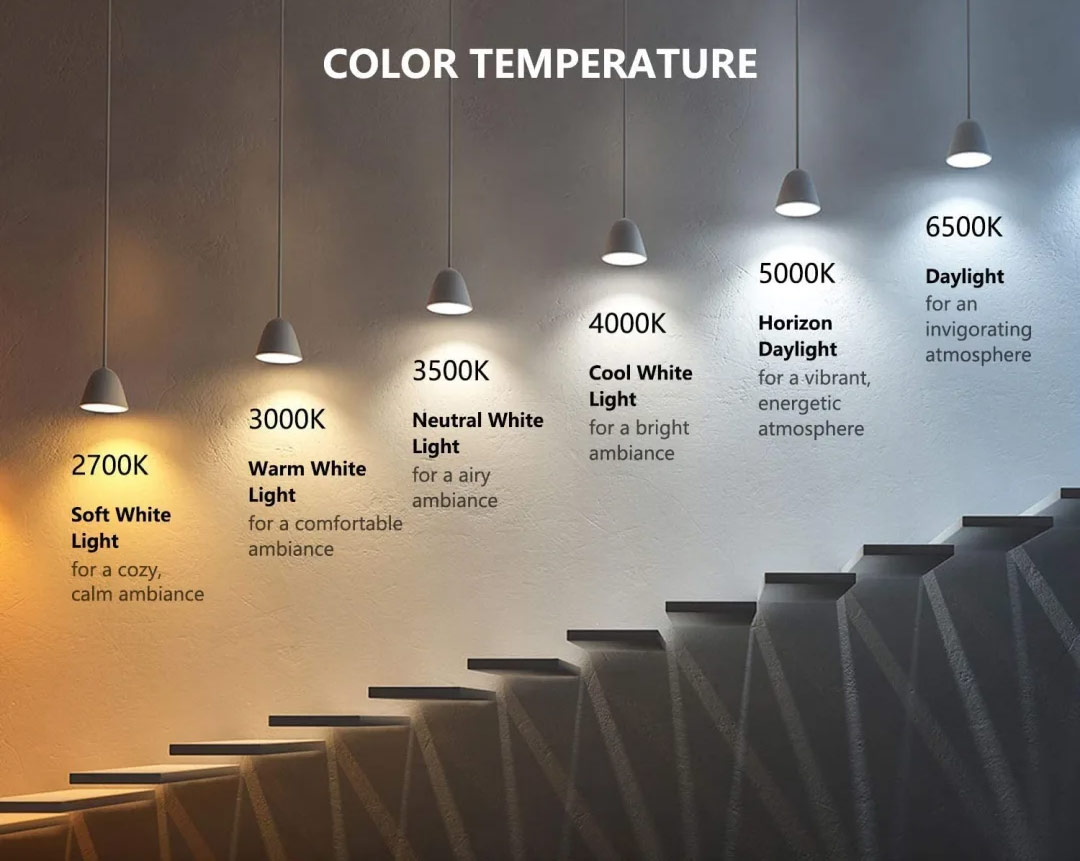
Color temperature, measured in Kelvin (K), describes the color characteristics of a light source by comparing it to the radiation of a theoretical "black body" heated to different temperatures. Low temperatures emit warm, reddish light (e.g., candlelight at 1800K), mid-temperatures produce neutral white (e.g., noon sunlight at 5500K), and high temperatures generate cool, bluish light (e.g., overcast sky at 10000K). Warm light (<3300K) creates a cozy atmosphere, ideal for residential spaces, while cool light (>5300K) enhances alertness and is common in industrial or medical settings. Critical to photography, display tech, and lighting design, it shapes visual tone and emotional impact.
The Core Definitions & Visual Differences
2700K: Warm & Cozy
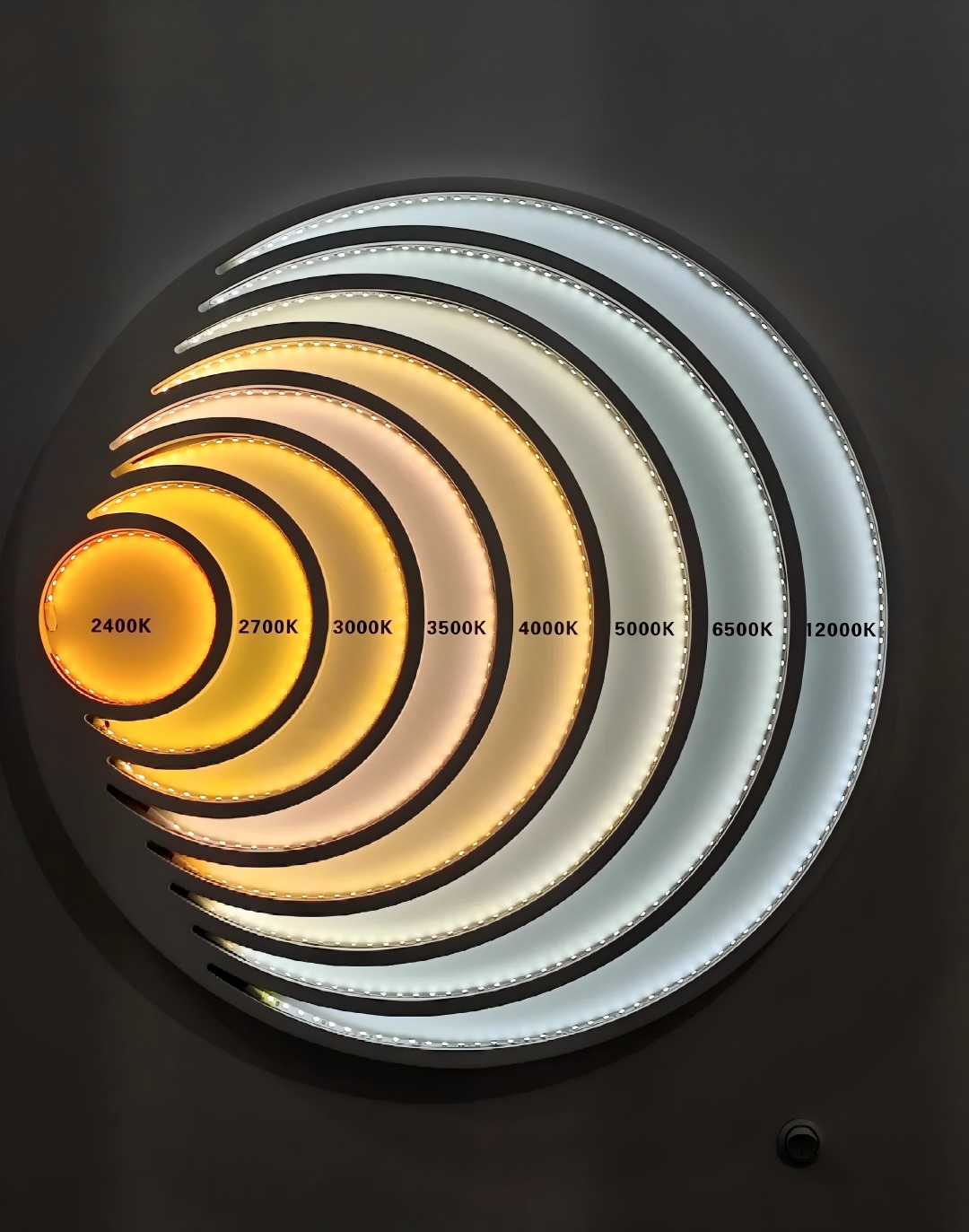
Color & Ambiance: 2700K emits a soft, yellowish-white light. Its output is very similar to the warm, radiant glow of a traditional incandescent bulb or even the flickering light of a candle. This color temperature sits at the warmer end of the warm white spectrum.
Psychological Effect: It promotes a sense of intimacy, relaxation, and tranquility. It signals to the brain that it's time to wind down, making it ideal for creating a sanctuary from the busy world.
Psychological Effect: It promotes a sense of intimacy, relaxation, and tranquility. It signals to the brain that it's time to wind down, making it ideal for creating a sanctuary from the busy world.
3000K: Soft & Neutral Warm White
Color & Ambiance: 3000K produces a clearer, brighter, and crisper white light. While still unmistakably warm, it has a more neutral tone, with the strong yellow hue of 2700K significantly reduced. It's often described as a "soft white" light that feels clean and modern.
Psychological Effect: It strikes a perfect balance between coziness and alertness. It feels inviting yet energizing, making it suitable for spaces where both comfort and functionality are required.
Psychological Effect: It strikes a perfect balance between coziness and alertness. It feels inviting yet energizing, making it suitable for spaces where both comfort and functionality are required.
Detailed Application Guide - Where to Use Each
Choose 2700K for:
Living Rooms & Family Rooms: This is the heart of the home, a place for relaxation, conversation, and watching TV. 2700K light enhances the warmth of wood furniture, earthy tones, and soft textiles, making the space feel deeply welcoming and cozy.
Bedrooms: The warm, low-color-temperature light is less disruptive to melatonin production (the sleep hormone) than cooler light. Using 2700K in bedside lamps and overhead lights helps prepare your body for a restful night's sleep.
Dining Rooms: It flatters food and skin tones, creating an intimate and convivial atmosphere perfect for family dinners and entertaining guests. It makes reds, yellows, and wood grains look particularly rich.
Hospitality Spaces: High-end hotels and restaurants frequently use 2700K to create an immediate sense of luxury, comfort, and welcome for their guests.
Choose 3000K for:
Kitchens: This is a workspace that requires visual acuity for food preparation and cooking. 3000K provides excellent color rendering and clarity, making it easier to see details while chopping vegetables or reading recipes, all without the sterile feel of a 4000K light.
Bathrooms: For grooming tasks like shaving and applying makeup, 3000K offers a more accurate representation of colors than 2700K. It provides a bright, wake-up effect in the morning while remaining soft enough for evening use.
Home Offices & Studies: It offers a slight energizing quality that can help with focus and concentration during work or study hours, but remains warmer and less harsh than daylight-balanced lights, reducing eye strain.
Retail Spaces & Art Lighting: 3000K is often preferred for highlighting products, artwork, and architectural details because it provides a crisp, clean light that doesn't distort white or neutral colors, maintaining a true-to-life appearance.
The Psychology of Light & Making Your Final Choice
Atmosphere vs. Function
The fundamental choice boils down to this: Atmosphere (2700K) vs. Function (3000K).
Prioritize 2700K when your main goal is to create a soothing, traditional, and intimate ambiance. It's about how the space feels.
Prioritize 3000K when you need a balance of warmth and visual clarity for specific tasks. It's about how well you can see and perform in the space.
Prioritize 2700K when your main goal is to create a soothing, traditional, and intimate ambiance. It's about how the space feels.
Prioritize 3000K when you need a balance of warmth and visual clarity for specific tasks. It's about how well you can see and perform in the space.
Consider Your Decor
2700K complements traditional, rustic, farmhouse, and Bohemian styles. It enhances warm color palettes (reds, oranges, yellows, browns).
3000K complements transitional, modern, minimalist, and industrial styles. It works well with cooler color palettes (grays, blues, whites, black) and helps define clean lines and modern finishes.
3000K complements transitional, modern, minimalist, and industrial styles. It works well with cooler color palettes (grays, blues, whites, black) and helps define clean lines and modern finishes.
The Hybrid Approach
You don't have to choose one for your entire home. The most effective lighting schemes often use a combination:
Use 2700K for general ambient lighting in living rooms and bedrooms.
Use 3000K for task lighting under kitchen cabinets, over islands, in home offices, and in bathrooms.
Use 2700K for general ambient lighting in living rooms and bedrooms.
Use 3000K for task lighting under kitchen cabinets, over islands, in home offices, and in bathrooms.
2700K vs.4000K-A Comprehensive Comparison
The difference between two light colors is only noticeable when both are used within the same household. For example, if you spend the night in a room with 2700K lighting and then in a room with 3000K lighting, you won't notice the difference. However, if the two lights are installed in adjacent spaces, some noticeable differences will be evident.
|
Attribute
|
2700K (Warm White)
|
3000K (Soft White)
|
|
Appearance
|
Yellowish-white, like incandescent bulbs
|
Slightly whiter,with a warmer hue
|
|
Atmosphere
|
Cozy,inviting,and warm
|
Soft,warm,yet a bit more neutral
|
|
Ideal Environments
|
Bedrooms,living areas,dining rooms
|
Bedrooms,living areas,dining rooms,kitchens
|
|
Color Rendering Index(CRI)
|
Good color rendering, typically 80-90
|
Good color rendering, typically 80-90
|
|
Blue Light Emission
|
Lower blue light emission
|
Slightly higher blue light emission
|
FAQ
What is 2700K light?
Low color temperature (2700K-3000K): Yellow light/warm light sources have yellow or orange tones, creating a warm and comfortable atmosphere. Suitable for home spaces such as living rooms, bedrooms, and dining rooms.
Is 3000K warm white light?
Light color characteristics: Slightly whiter than 2700K, still maintaining a warm tone but more natural. Atmospheric effect: Warm but not overly yellow, making it the most versatile color temperature for homes.
What light is good for the eyes?
White light is better for the eyes. Slightly white light can effectively avoid glare from strong light and difficulties seeing in dim light, as well as eye strain from overuse. Light with a touch of yellow allows the eyes to adjust, relieving visual fatigue and is more suitable for reading needs. Colored lights can have visual impacts on the eyes. White light has a moderate color temperature and softer illumination, causing less harm to the eyes among various colored light spectrums.
Conclusion
For a uniformly warm, cozy, and traditional home, 2700K is your safe and beautiful choice.For a modern, crisp, and functional home that still retains warmth, 3000K is the superior and increasingly popular option.