2025-05-08
3000K vs 4000K: The Ultimate LED Color Temperature Guide
3000K vs. 4000K: The Ultimate Guide to Choosing the Right LED Color Temperature
Light does more than just help us see; it dictates how we feel, how we work, and even how we sleep. When upgrading to LED lighting, one of the most debated topics among interior designers and homeowners alike is the choice between 3000K and 4000K. It is the thin line between a cozy, golden sanctuary and a crisp, high-productivity environment.
In this guide, we break down the science of Correlated Color Temperature (CCT). We will explore the psychological impacts of different Kelvin ratings, provide a room-by-room cheat sheet, and help you decide whether to stick to a fixed temperature or embrace the flexibility of CCT-adjustable smart lighting.
What exactly is colour temperature? Why is it important?
3000K vs. 4000K: What's the difference?
How to choose between 3000K and 4000K?
3000K vs. 5000K - a comparison to help you better understand
3000K vs. 3500K: Learn More About the Differences
3000K vs. 6000K: A Comprehensive Comparison:
Are 4000K LEDs less energy efficient than 3000K LEDs?
Are CCT adjustable lamps a better choice?
Suggested colour temperature choices for different areas of the home
Lighting has a huge impact on the atmosphere
Health and psychological impact considerations
Suggestions for practical choices
Other considerations
Summary
FAQ
What exactly is colour temperature? Why is it important?
Color Temperature is a measure of the color appearance of a light source, expressed in Kelvin (K). It describes the "warmth" or "coolness" of the light.
-
Low Kelvin (2000K–3000K): Emits a warm, yellowish-orange glow, similar to a sunset or candlelight.
-
Mid-Range Kelvin (3500K–4500K): Known as "Neutral White," providing a clean, balanced look.
-
High Kelvin (5000K–6500K): Emits a cool, blue-white light, similar to bright midday sunlight.
Why it matters: Color temperature doesn't just change the look of a room; it influences your Circadian Rhythm. Warm light triggers relaxation, while cool light suppresses melatonin to keep you alert.
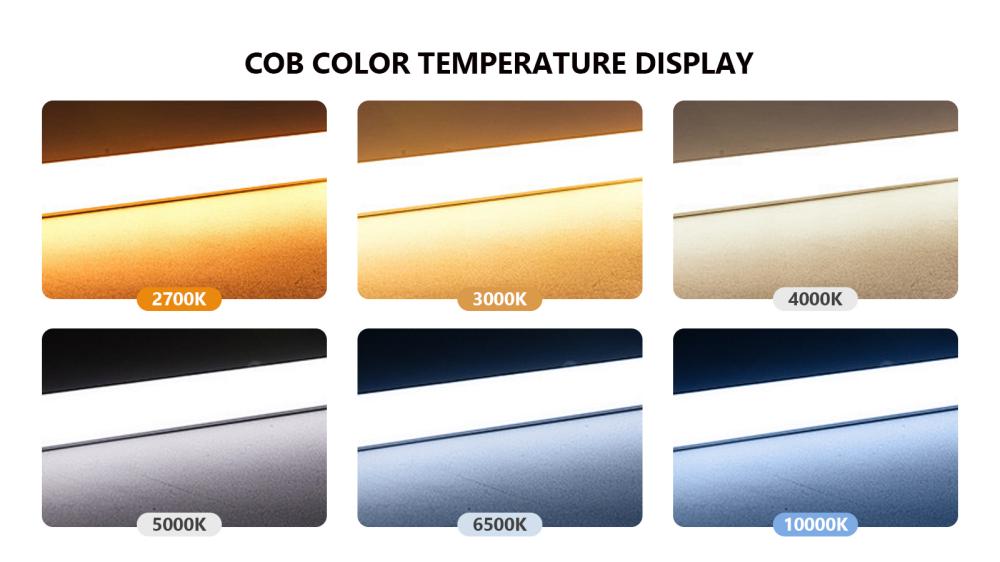
3000K vs. 4000K: What's the difference?
3000K (Warm White)
-
Appearance: Soft, inviting, and slightly yellow.
-
Atmosphere: Traditional, cozy, and calm.
-
Best for: Residential living areas where relaxation is the priority. It complements wood grains and earthy tones perfectly.
4000K (Neutral White)
-
Appearance: Clean, crisp, and bright white with no obvious yellow or blue tint.
-
Atmosphere: Modern, energetic, and clear.
-
Best for: Task-oriented spaces. It reveals "true" colors more accurately and reduces eye strain during focused work.
Choosing 3000K or 4000K depends on the function of the space and the desired ambiance. For example, bedrooms and living rooms are better suited for 3000K, while kitchens and dens are better suited for 4000K.
How to choose between 3000K and 4000K?
The following factors should be considered when choosing the right colour temperature:
Functionality of the space: 3000K is suitable for relaxation spaces (e.g. bedroom, living room); 4000K is suitable for work spaces (e.g. kitchen, study).
Personal preference: some people like warm light, others prefer bright white light.
Interior Decoration Style: Warm colour decoration is more suitable for 3000K, cool colour decoration is more suitable for 4000K.
Taking all these factors into consideration, you can choose the most suitable colour temperature according to your specific needs.
3000K vs. 5000K - a comparison to help you better understand
5000K (Cool White Light):
Presents a bright, clear white light that is close to natural daylight.
Ideal for spaces that require high brightness and colour accuracy, such as garages and studios.
May appear too cool for bedrooms or living rooms.
In contrast, 3000K is more suitable for a cosy home atmosphere, while 5000K is more suitable for functional workspaces.
3000K vs. 3500K: Learn More About the Differences
3500K (warm neutral light):
A soft white light between 3000K and 4000K.
Ideal for spaces that need a balance of warmth and brightness, such as dining rooms and hallways.
3500K offers a compromise between being too warm and too cool.
3000K vs. 6000K: A Comprehensive Comparison:
6000K (Cool White Light):
Presents a bright, crisp white light, close to midday sunlight.
Ideal for spaces that require high brightness and clarity, such as garages and studios.
May appear too cool for bedrooms or living rooms.
3000K is more suitable for a cosy home atmosphere, while 6000K is more suitable for a functional workspace.
Are 4000K LEDs less energy efficient than 3000K LEDs?
No. In terms of actual power consumption (Watts), there is no significant difference. However, 4000K LEDs often produce slightly more lumens per watt than 3000K LEDs. This is because the yellow phosphor coating used to create warm light is thicker, which can slightly reduce total light output. In a practical home setting, this difference is negligible.
Are CCT adjustable lamps a better choice?
CCT (Correlated Colour Temperature) adjustable lamps allow the user to adjust the colour temperature as required to provide the best lighting environment at different times of the day and for different activities. For example, use a higher colour temperature during the day to increase alertness and a lower colour temperature at night to promote relaxation and sleep. This flexibility makes CCT dimmable lamps ideal for home lighting.
Suggested colour temperature choices for different areas of the home
Bedroom: 2700K to 3000K warm white light is recommended for a relaxing and cosy atmosphere.
Living room: Use 3000K to 3500K light, which is both cosy and has a certain degree of brightness.
Kitchen: Neutral white light of 4000K is recommended to provide clear illumination for cooking and cleaning.
Bathroom: Use 4000K to 5000K light to provide bright illumination for freshening up and applying make-up.
Study/work area: 4000K to 5000K light is recommended to improve concentration and productivity.
Lighting has a huge impact on the atmosphere
The colour temperature of the light directly affects the atmosphere of the space and the mood of the people. Warm light (e.g. 3000K) creates a cosy, relaxing atmosphere, suitable for family gatherings and breaks. Cooler coloured light (e.g. 4000K and above) provides clear, bright lighting, suitable for work and study. A reasonable mix of lights with different colour temperatures can create the ideal atmosphere in a space according to the needs of different activities.
Health and psychological impact considerations
Light influences our serotonin and melatonin levels.
-
Alertness: Cool light (4000K+) mimics the morning sun, helping you stay productive.
-
Sleep Quality: Exposure to blue-rich cool light at night can disrupt sleep. For health, it’s best to use "Warm Dim" or 3000K lighting in the evening to prepare your body for rest.
Suggestions for practical choices
Choose the colour temperature according to the function of the space: warm light for relaxation, cool light for work.
Consider personal preference and living habits: Choose a colour temperature that suits your preferences to enhance comfort.
Use CCT adjustable luminaires: Adjust the colour temperature according to different times of the day and activities to meet diverse needs.
Pay attention to the colour rendering index (CRI) of the luminaire: choose a luminaire with a high CRI to ensure true colour reproduction.
Other considerations
Luminaire design and style: Choose luminaires that harmonise with the interior décor style to enhance the overall aesthetics.
Energy efficiency and service life: Choose efficient and durable LED luminaires to reduce energy consumption and maintenance costs.
Intelligent control system: Use an intelligent lighting system for remote control and automatic adjustment to improve convenience.
Summary
Colour temperature is an important factor affecting home lighting effect and living comfort. By understanding the characteristics of different colour temperatures and applicable scenarios, and combining individual needs and space functions, choosing the right lighting solution can significantly improve the quality of the home environment and living experience. In addition, the use of CCT adjustable luminaires and intelligent lighting systems brings more flexibility and convenience to home lighting.
FAQ
Is 3000K bright enough?
Brightness is not related to colour temperature. Brightness is related to the luminous flux or illuminance of the fixture. For brighter illumination, choose a fixture with more power and higher lumens.
CCT Are adjustable lights a good choice for home lighting?
LED lights with adjustable colour temperatures offer versatility and the ability to create a variety of lighting scenarios in your home. If you value flexibility, aesthetics and potential health benefits, they may be the best choice for home lighting. However, consider your specific needs and budget before making a decision.
When use 4000K ?
You should use 4000K lighting in areas where you want to stay focused. It promotes the production of serotonin in the body, which makes you feel refreshed. As a result, you will be able to complete your chores more accurately due to clear vision.
Can I use a 3000K light source for task lighting?
Whilst it is possible to use a 3000K light source for task lighting, it may not be the most appropriate choice due to its yellowish and warm tones. Cooler colour temperatures, such as 4000K or 5000K, provide a brighter, more focused light that is better suited to tasks that require concentration and precision. If you need task lighting, it is recommended that you choose a light source with a higher colour temperature.
Is 4000K a warm or cool color temperature?
4000K is considered a neutral white. It sits between warm and cool tones, offering a balanced light that works well in both residential and commercial environments.
Can color temperature be adjusted?
Yes. Tunable white LED systems or smart lighting solutions allow users to adjust the color temperature (e.g., from 2700K to 6500K) based on time of day, activity, or personal preference.
Does color temperature impact the appearance of objects?
Absolutely. Higher color temperatures (like 5000K+) can make colors appear more true-to-life, especially in areas where color accuracy is important (e.g., art galleries, retail displays, or makeup studios).
Is higher color temperature always better for brightness?
Not necessarily. Brightness (lumens) and color temperature (Kelvin) are different properties. A 3000K and a 6000K light can have the same brightness. However, higher color temperatures may appear brighter due to their cooler tone.
How does outdoor lighting benefit from different color temperatures?
For outdoor ambiance or garden lighting, 2700K–3000K is preferred to avoid harsh glare. For security or flood lighting, 5000K–6000K is used for maximum visibility and contrast at night.
Can mixing color temperatures in one space be a problem?
Yes. Using different color temperatures in the same area can create visual discomfort or imbalance. It’s best to maintain a consistent color temperature within a single space for a cohesive lighting design.