

2026-01-05
Beyond the Bedroom: 10 Unexpected Places to Use LED Strip Lights at Home
Beyond the Bedroom: 10 Unexpected Places to Use LED Strip Lights at Home
In the quiet glow of a stairway's edge or the gentle illumination behind a bookshelf, light is no longer just functional—it has become the soul of a home.
Tread softly up a staircase where each step is defined by a soft, guiding light. Open a glass-fronted cabinet to find your cherished items showcased like museum pieces. Glance into a bathroom mirror illuminated from within, offering a perfect, shadowless reflection. These are no longer scenes reserved for luxury hotels or design magazines.
The transformative power of modern home decor with lights lies in its subtlety and ingenuity. Today, we explore the frontier of creative LED strip ideas, moving beyond basic bedroom accents to discover ten unusual lighting places that can fundamentally reshape your living experience.
01 The Hidden Light: A New Philosophy in Illumination
02 Ten Transformative Applications
03 Practical Implementation
04 Emerging Trends and Future Directions
05 The Light Ahead
06 FAQ
01 The Hidden Light: A New Philosophy in Illumination
The magic of LED strip lights lies in their ability to disappear. When strategically concealed within architectural features or furniture seams, they create an effect of "light without a source"—a soft, ambient glow that seems to emanate from the space itself.
Unlike traditional lighting fixtures that demand attention, hidden LEDs perform a quiet magic. They define without dominating, guide without glaring, and enhance without overwhelming. This design philosophy transforms lighting from a mere utility into an integral architectural element.
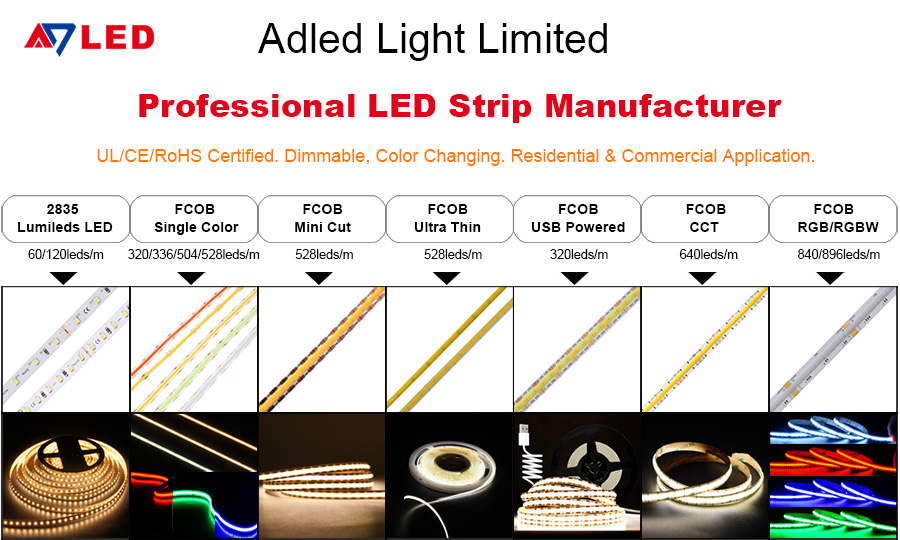
Modern advancements have produced LED strips as thin as 3.5mm, allowing installation in spaces once considered impossible—between glass panes, along narrow molding, or within the slimmest furniture joints. This technological progress has opened a world of creative LED strip ideas that blend seamlessly with any interior.
The home lighting trend report reveals that strategic LED placement has shifted from decorative afterthought to foundational design consideration, with homeowners increasingly treating lighting as essential to spatial perception as color or texture.
02 Ten Transformative Applications
The true art of illumination lies in integrating light with structure rather than simply adding fixtures. Here are ten revolutionary applications that will forever change how you perceive home lighting possibilities.
1. Staircase Edge Lighting


By embedding LED strips along the underside of each stair tread, you create both essential safety illumination and a stunning visual effect of floating steps. The light guides feet safely while transforming an ordinary staircase into a dramatic architectural feature.
For staircases adjacent to windows, consider installing weather-resistant LED strips between the window frame and glass. When illuminated after dark, the entire window appears to glow softly, creating a magical effect both inside and out while providing subtle ambient lighting.
2. Interior Cabinet Illumination
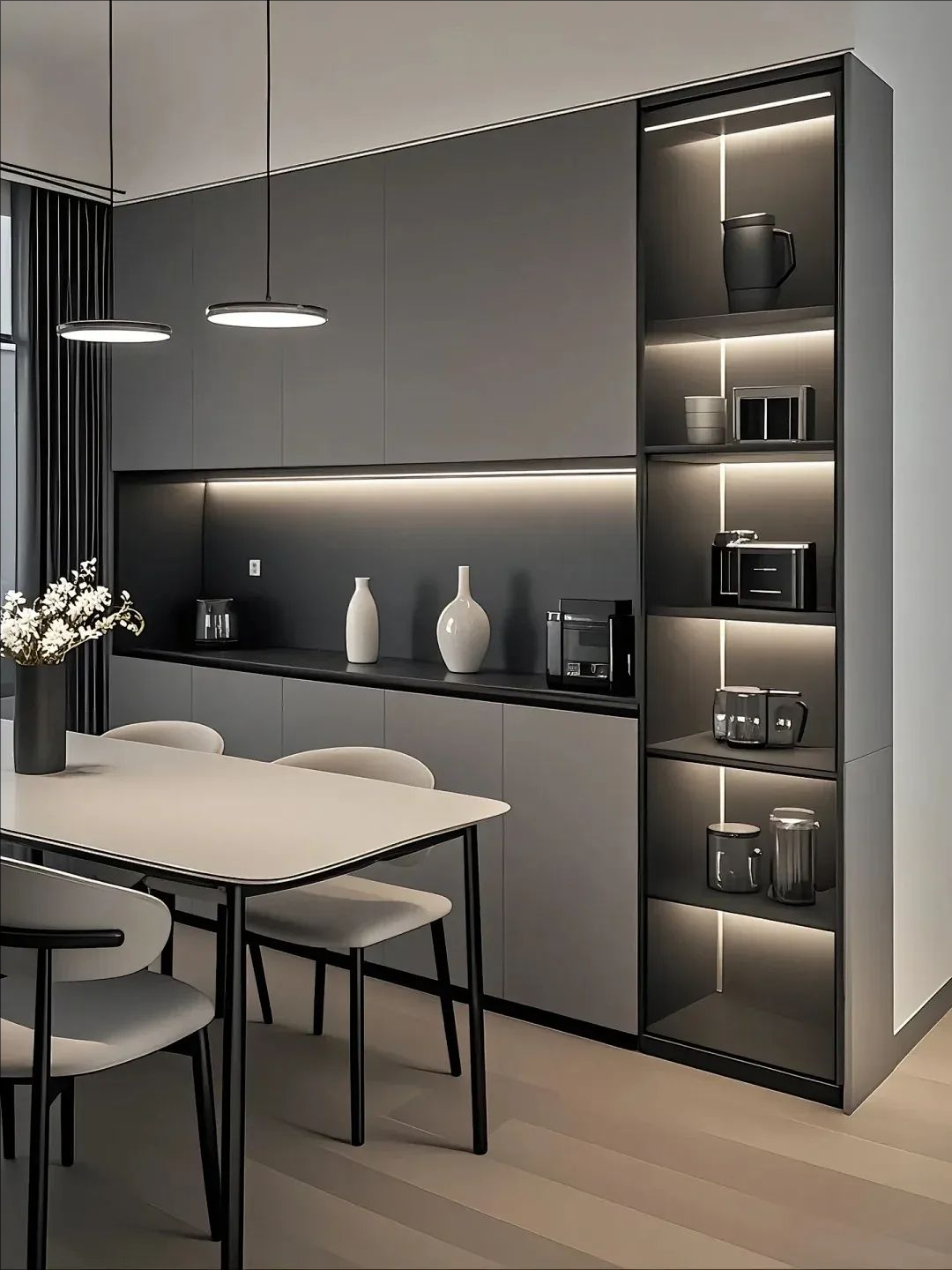
Transparent display cabinets gain new dimension when LED strips line their interior edges. This application creates perfectly even lighting for cherished collectibles without the harsh shadows or glare of traditional spotlights. The effect elevates ordinary objects to museum-quality displays.
3. Architectural Cove Lighting
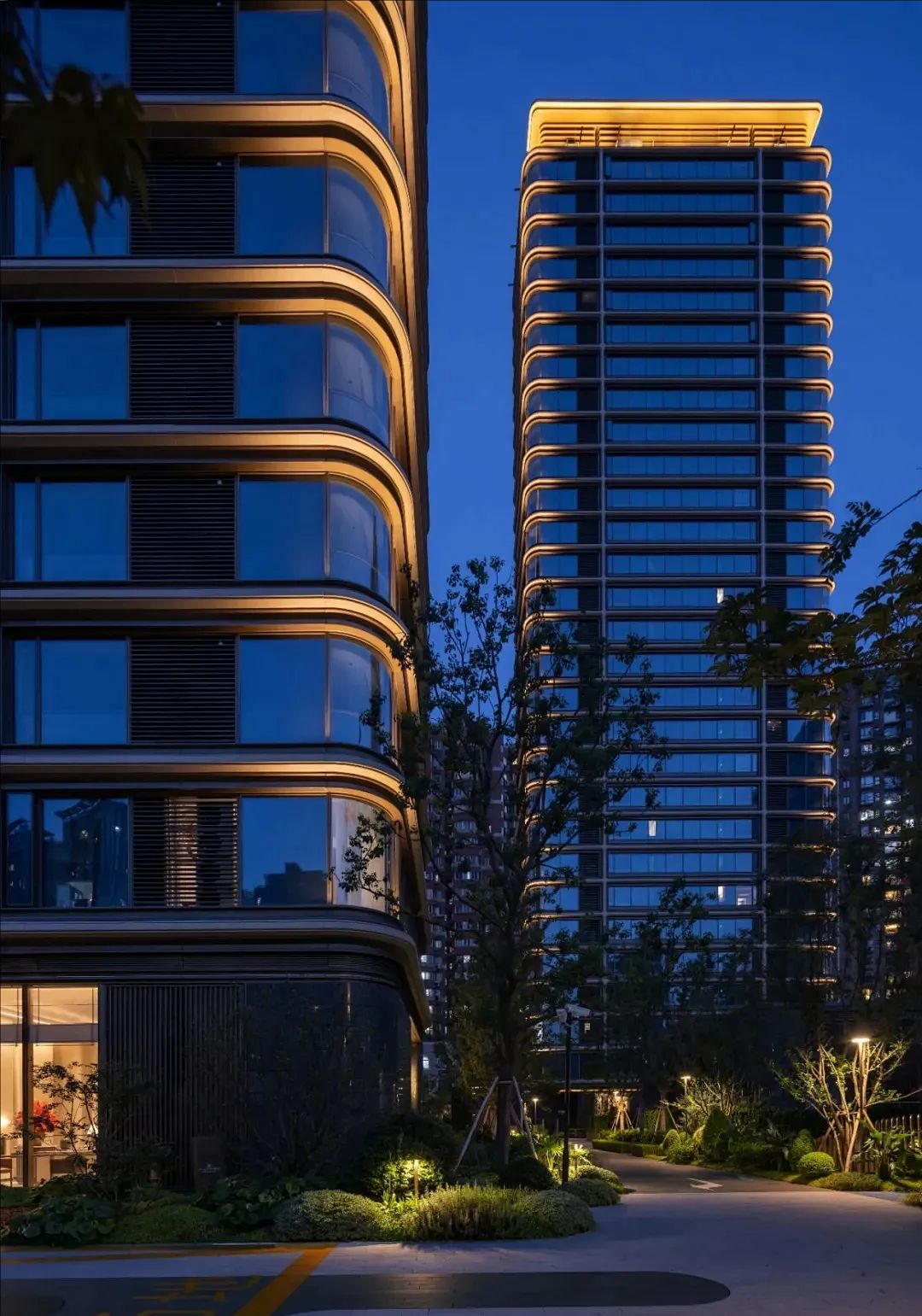
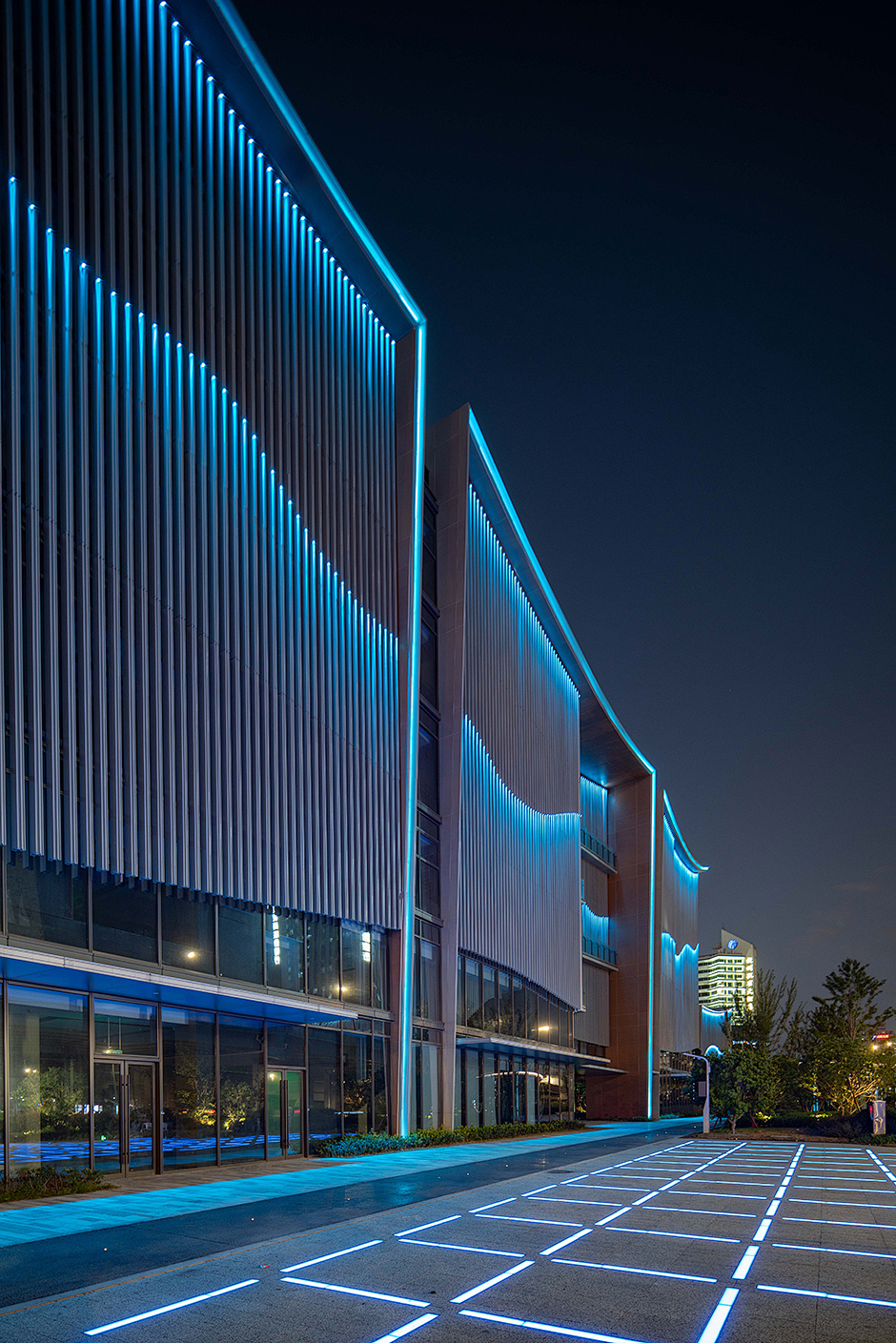
The junction where walls meet ceilings—often overlooked as mere transition—becomes a canvas for ambient lighting when fitted with indirect LED strips. This application washes walls with soft, diffused light that expands spaces visually while eliminating harsh shadows.
4. Backlit Mirror Surrounds
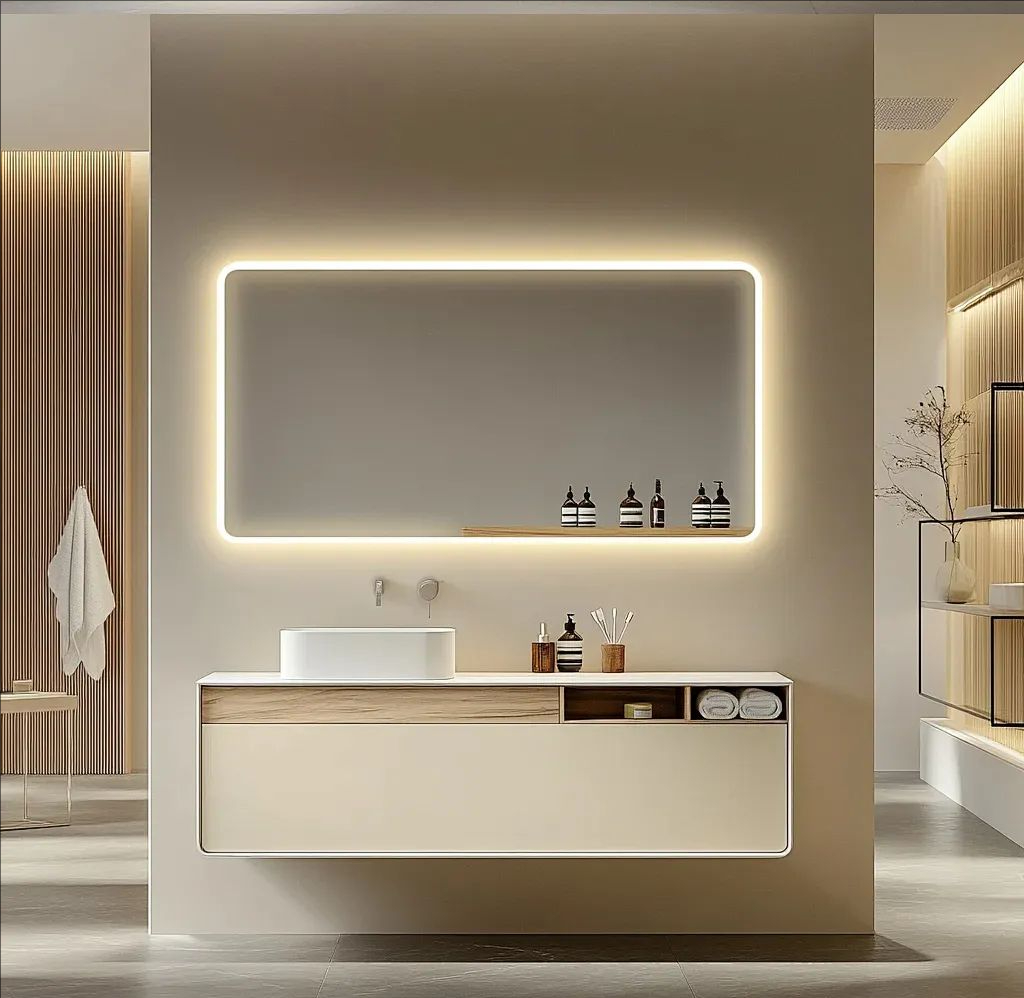
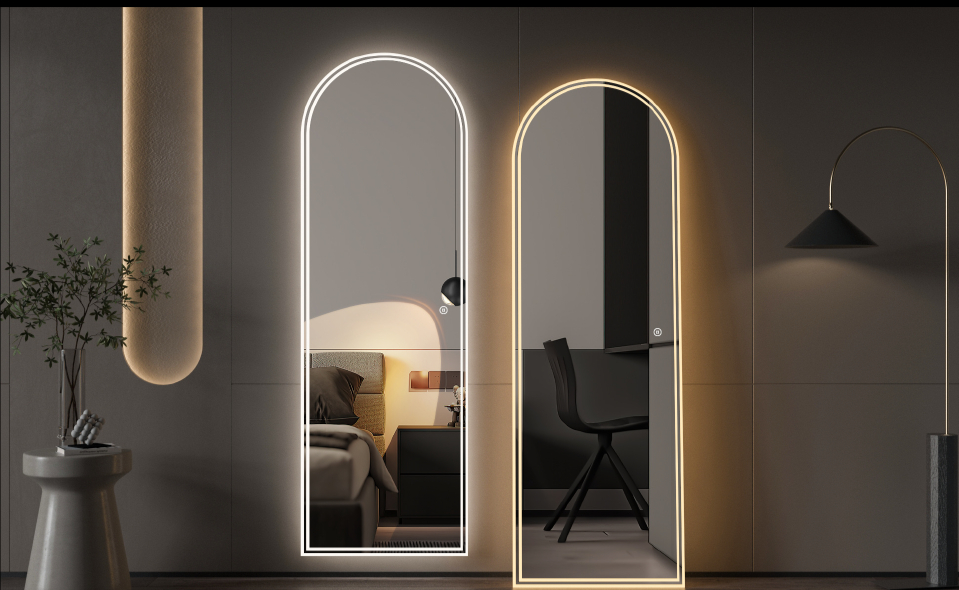
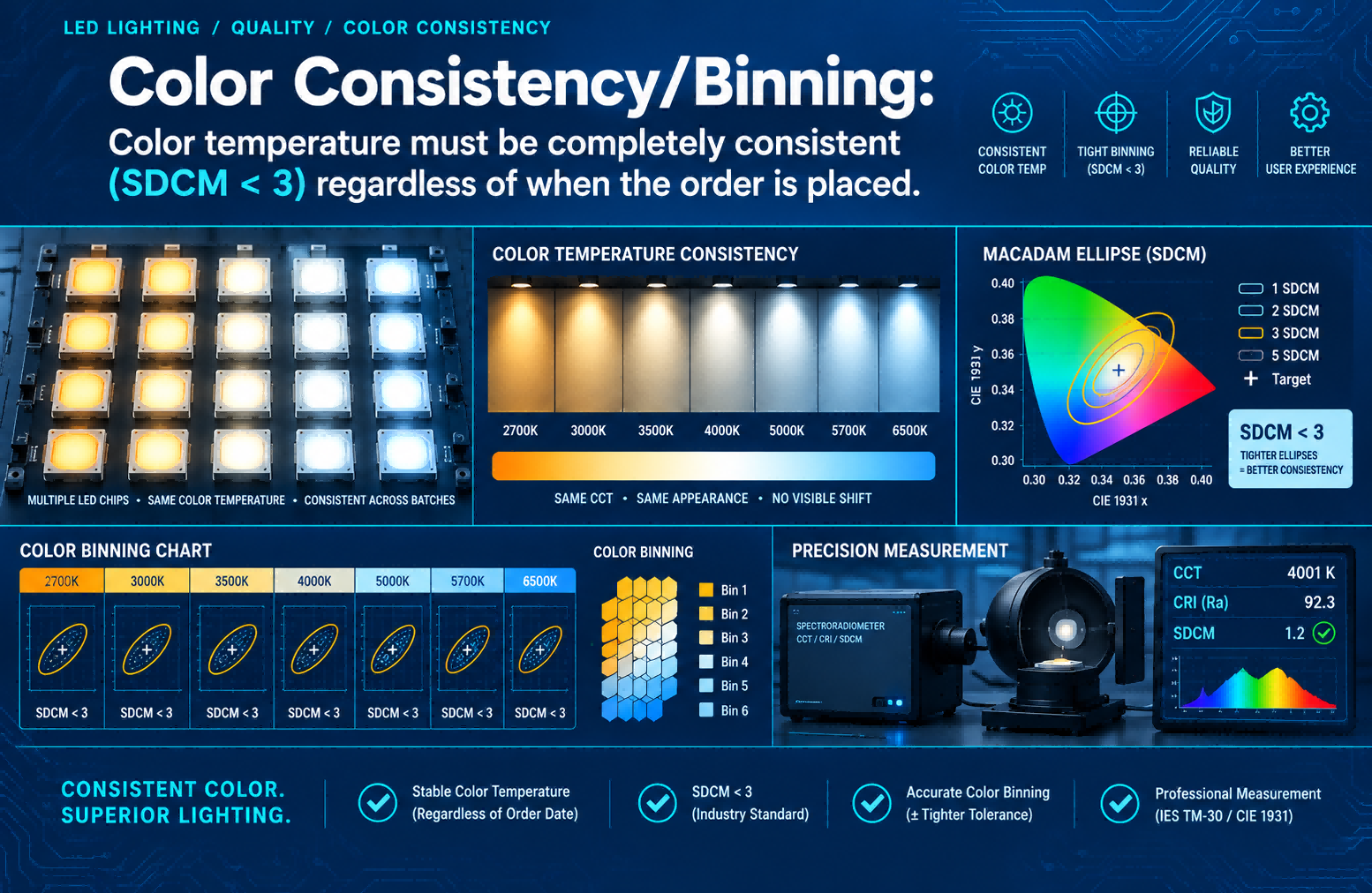
Bathroom mirrors framed with LED lighting eliminate unflattering shadows while providing ideal illumination for grooming tasks. For accurate color representation, choose strips with high color rendering index (CRI) above 90 and selectable color temperatures to match daylight conditions.
5. Bookshelf Backlighting
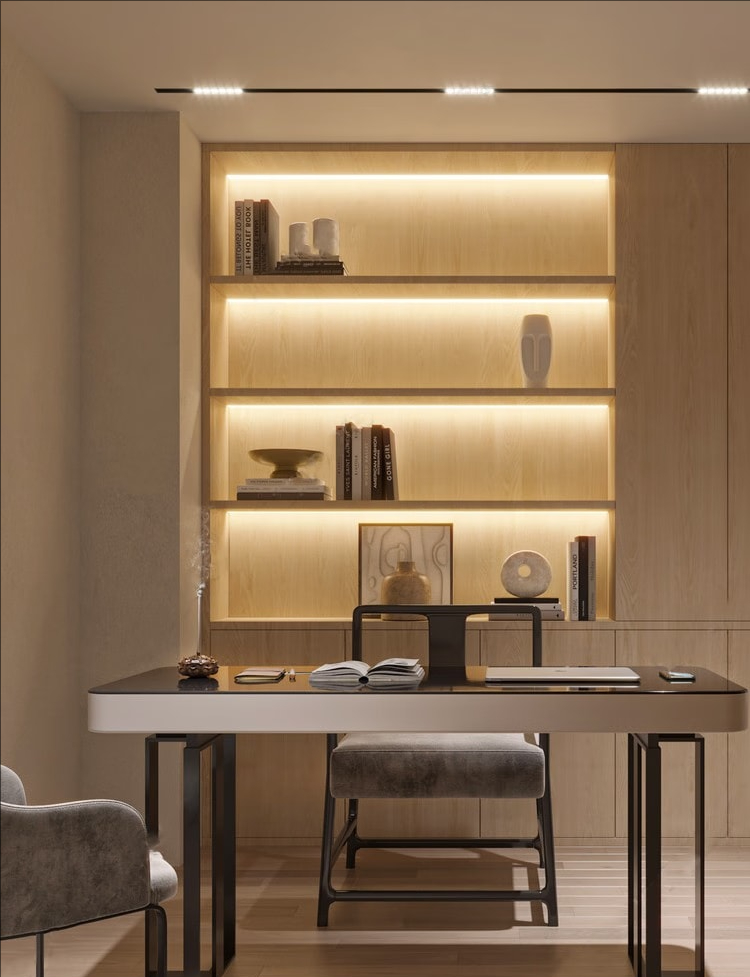
LED strips mounted behind bookshelves create a halo effect that makes books and objects appear silhouetted against a soft glow. This not only enhances visual appeal but makes titles easier to read while adding ambient light to reading nooks without requiring additional lamps.
6. Behind the Headboard
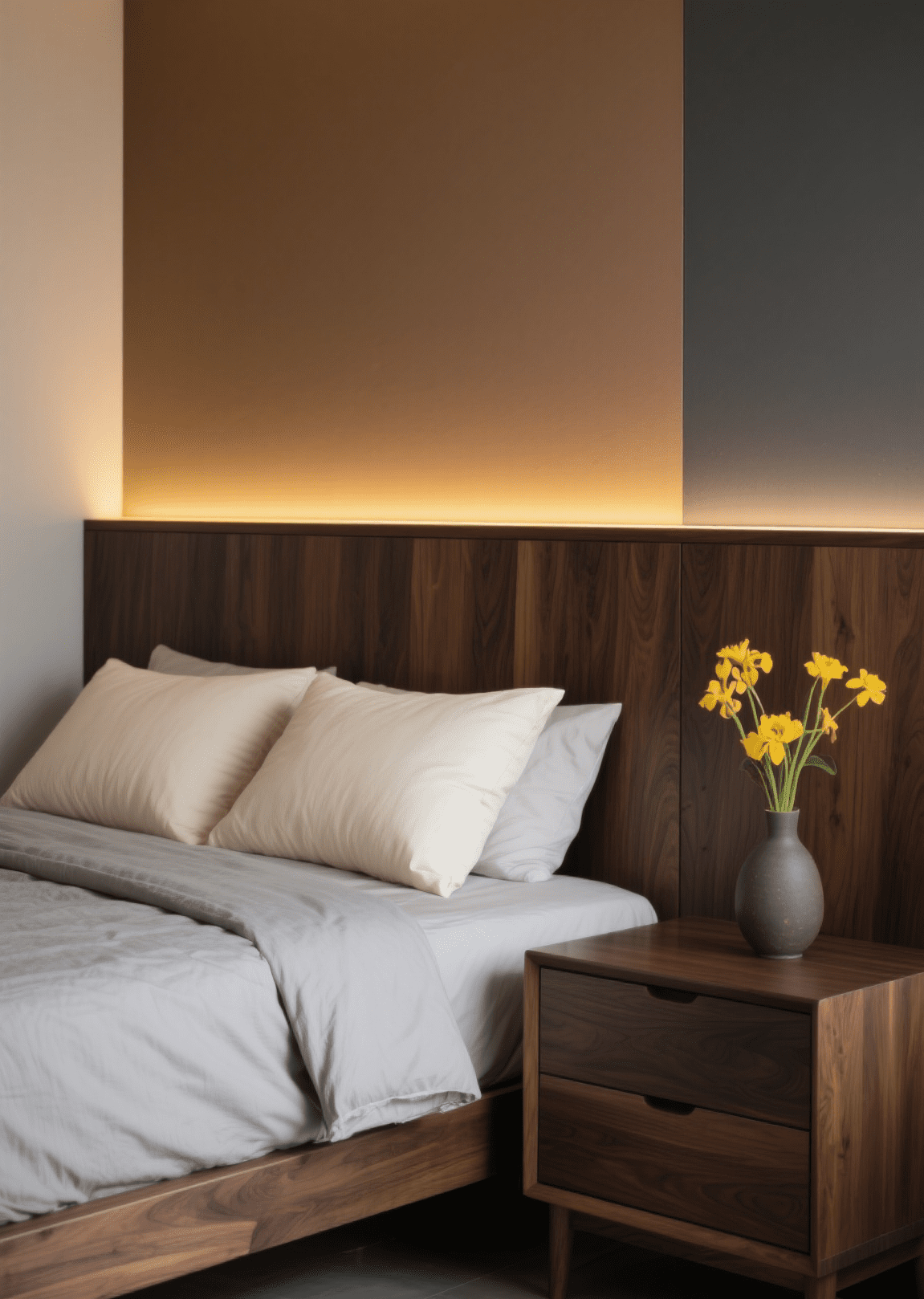
LED strips concealed behind a floating headboard create a gentle wash of light perfect for evening reading or creating a relaxing ambiance. Dimmable warm-white strips (2700K-3000K) offer the most flexibility, allowing adjustment from functional reading light to subtle mood lighting.
7. Under-Cabinet Kitchen Lighting
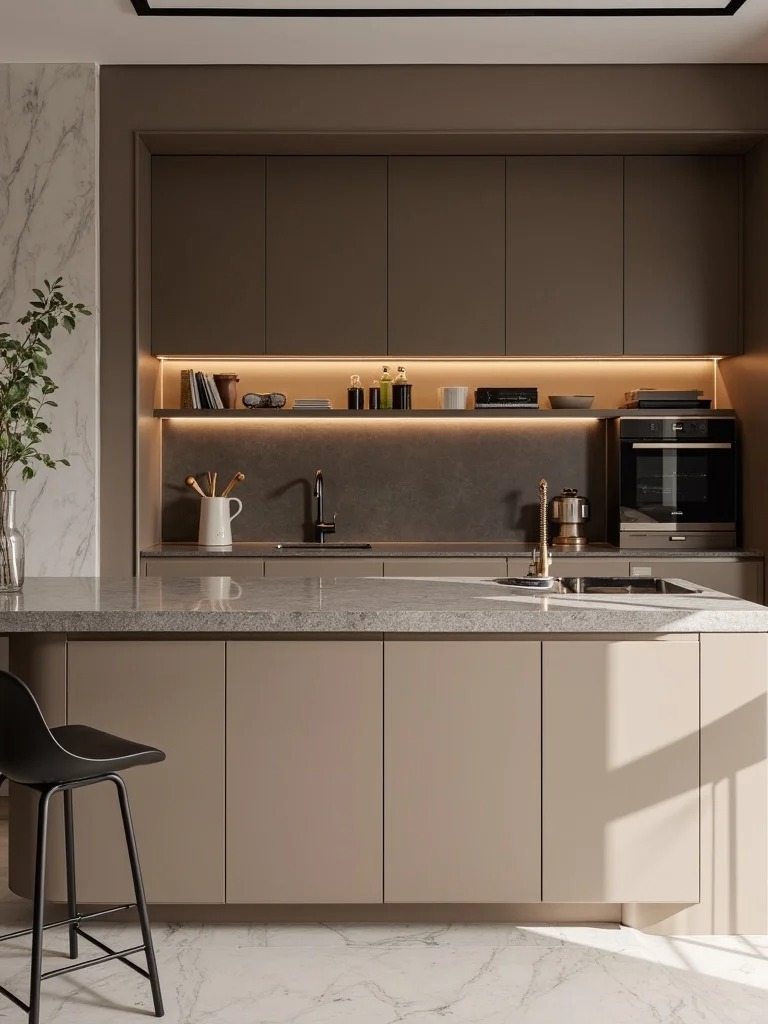
Kitchen tasks require precision lighting that eliminates shadows. LED strips installed beneath upper cabinets provide perfect illumination for food preparation areas. Choose high-CRI, cool-white strips (4000K-5000K) for maximum visibility and color accuracy when handling ingredients.
8. Closet System Lighting
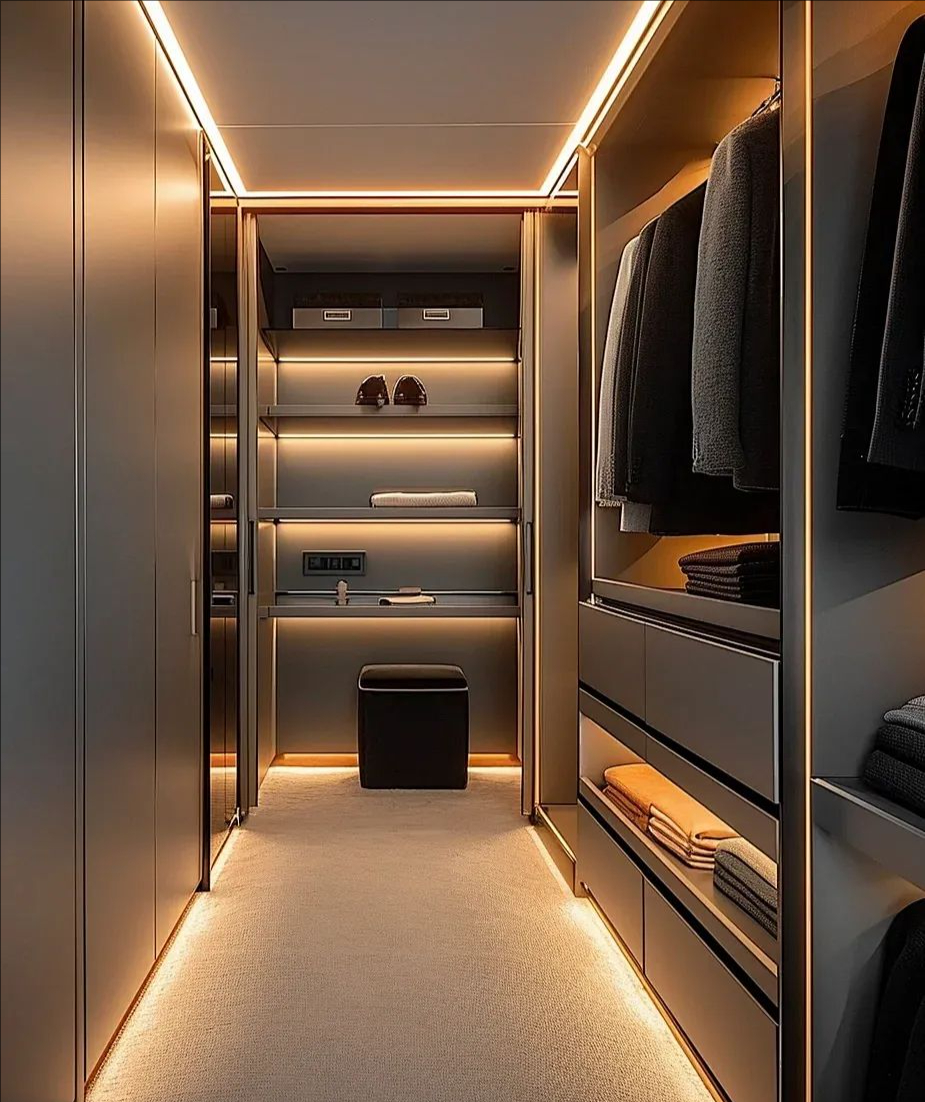
Walk-in closets and storage areas benefit tremendously from LED strips installed along hanging rods or beneath shelves. Motion-activated systems illuminate automatically when doors open, then shut off after a set period—combining perfect visibility with energy efficiency.
9. Garden Structure Accents
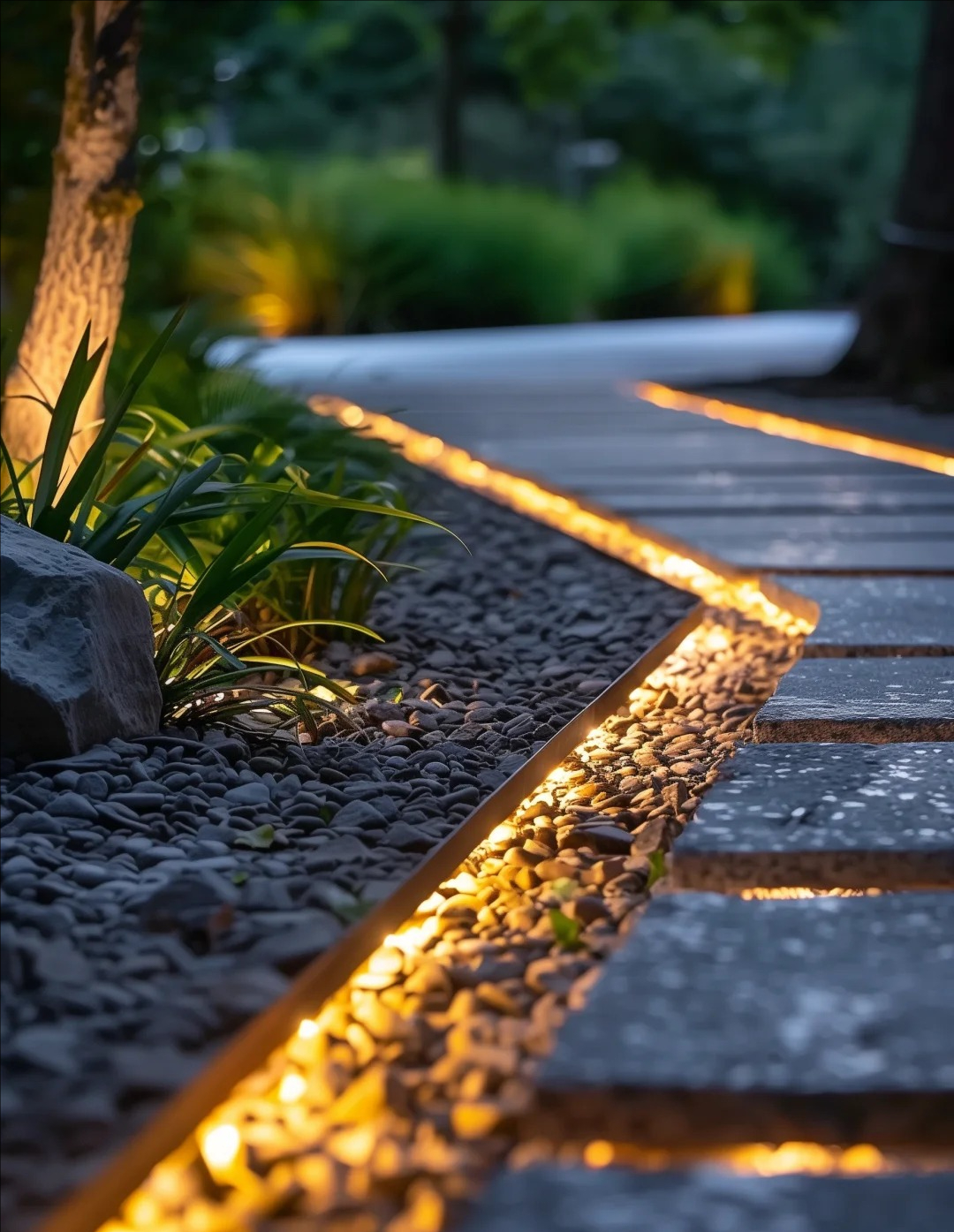
Weatherproof LED strips (IP65 or higher) transform outdoor spaces when installed along garden paths, beneath bench seating, or within pergola structures. These applications extend living spaces into the evening while highlighting landscaping features and providing subtle safety lighting.
10. Smart Entryway Lighting
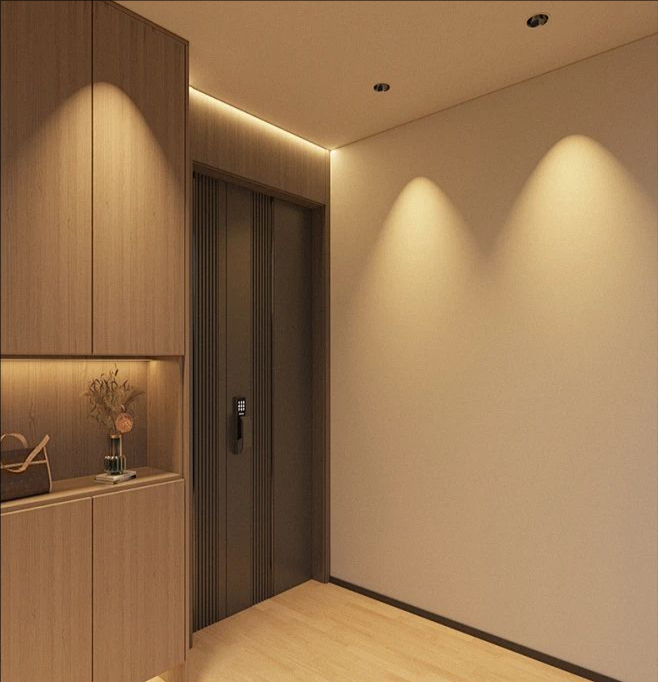
LED strips integrated with motion sensors and smart controls create welcoming entry sequences that activate upon approach. These systems can be programmed to vary intensity based on time of day—brighter for daytime deliveries, softer for evening returns—adding both security and warmth to homecomings.
Application Area |
Recommended LED Type |
Ideal Color Temperature |
Key Benefit |
|---|---|---|---|
|
Staircase Edges
|
Flexible, High-Density LEDs
|
Warm White (3000K)
|
Safety Guidance, Ambiance
|
|
Display Cabinets
|
High-CRI, Dimmable LEDs
|
Natural White (4000K)
|
Object Enhancement
|
|
Architectural Coves
|
Diffused, Indirect LEDs
|
Tunable White (2700K-5000K)
|
Spatial Definition
|
|
Mirror Surrounds
|
Water-Resistant, High-CRI LEDs
|
Warm White (2700K-3000K)
|
Task-Perfect Illumination
|
|
Outdoor Structures
|
Weatherproof, UV-Resistant LEDs
|
Warm White (2700K)
|
Extended Living Space
|
03 Practical Implementation
Success with LED strip installations depends equally on thoughtful design and proper implementation. These practical guidelines will help ensure professional results.
Begin with surface preparation—clean all installation areas thoroughly with isopropyl alcohol to ensure maximum adhesive bonding. For permanent installations, consider aluminum channels that provide both protection and superior heat dissipation. These channels also create a cleaner light diffusion than exposed strips.
For renters or temporary installations, PVC channels with removable adhesive backing or magnetic mounting systems offer flexibility without permanent modification. These solutions allow creativity without commitment.
Power planning proves crucial—for extended runs, use 24V systems rather than 12V to minimize voltage drop across longer distances. When connecting multiple strips to a single power supply, ensure the supply's capacity exceeds your total wattage requirement by at least 20% to prevent overheating.
Concealing wiring represents perhaps the greatest challenge in hidden lighting projects. Creative solutions include routing cables through false ceilings, within furniture cavities, or through paintable wire channels that blend with wall colors. Strategic placement of control points allows easy adjustment without disrupting the clean aesthetic.
Integration with smart home systems elevates functionality substantially. Modern LED strips connect seamlessly with platforms like Google Home, Amazon Alexa, and Apple HomeKit, enabling voice control, automation based on time or occupancy, and synchronization with other smart devices throughout the home.
04 Emerging Trends and Future Directions
The evolution of LED lighting continues to accelerate, with several emerging trends reshaping how we integrate light into our living spaces.
Human-centric lighting represents perhaps the most significant advancement. Systems now dynamically adjust color temperature throughout the day—cool, energizing light in morning hours gradually transitioning to warm, relaxing tones by evening. Some sophisticated systems even simulate sunrise progression for more natural waking.
Materials integration pushes boundaries as LEDs become embedded within surfaces themselves. Light-emitting wallpapers, translucent materials with integrated lighting layers, and furniture with built-in illumination represent the next frontier in seamless integration.
Health and wellness applications continue to expand beyond circadian rhythm support. Research explores specific light wavelengths that may offer therapeutic benefits, from reducing eye strain during screen time to creating calming environments that support mental wellbeing.
Sustainability advances make modern LEDs increasingly eco-friendly. Manufacturers now prioritize recyclable materials, reduced packaging, and extended product lifespans. Some forward-thinking companies even offer take-back programs for product end-of-life, ensuring responsible disposal of electronic components.
Implementation Cost Comparison:
|
Project Scale
|
Average Material Cost
|
Professional Installation
|
DIY Feasibility
|
Long-Term Value
|
|---|---|---|---|---|
|
Single Room Accent
|
$50-$150
|
$100-$300
|
High
|
Moderate
|
|
Whole-Home Ambient
|
$300-$800
|
$500-$1500
|
Moderate
|
High
|
|
Architectural Integration
|
$1000+
|
$2000+
|
Low
|
Very High
|
|
Smart-Enabled System
|
$400-$1200
|
$600-$1800
|
Moderate
|
Very High
|
05 The Light Ahead

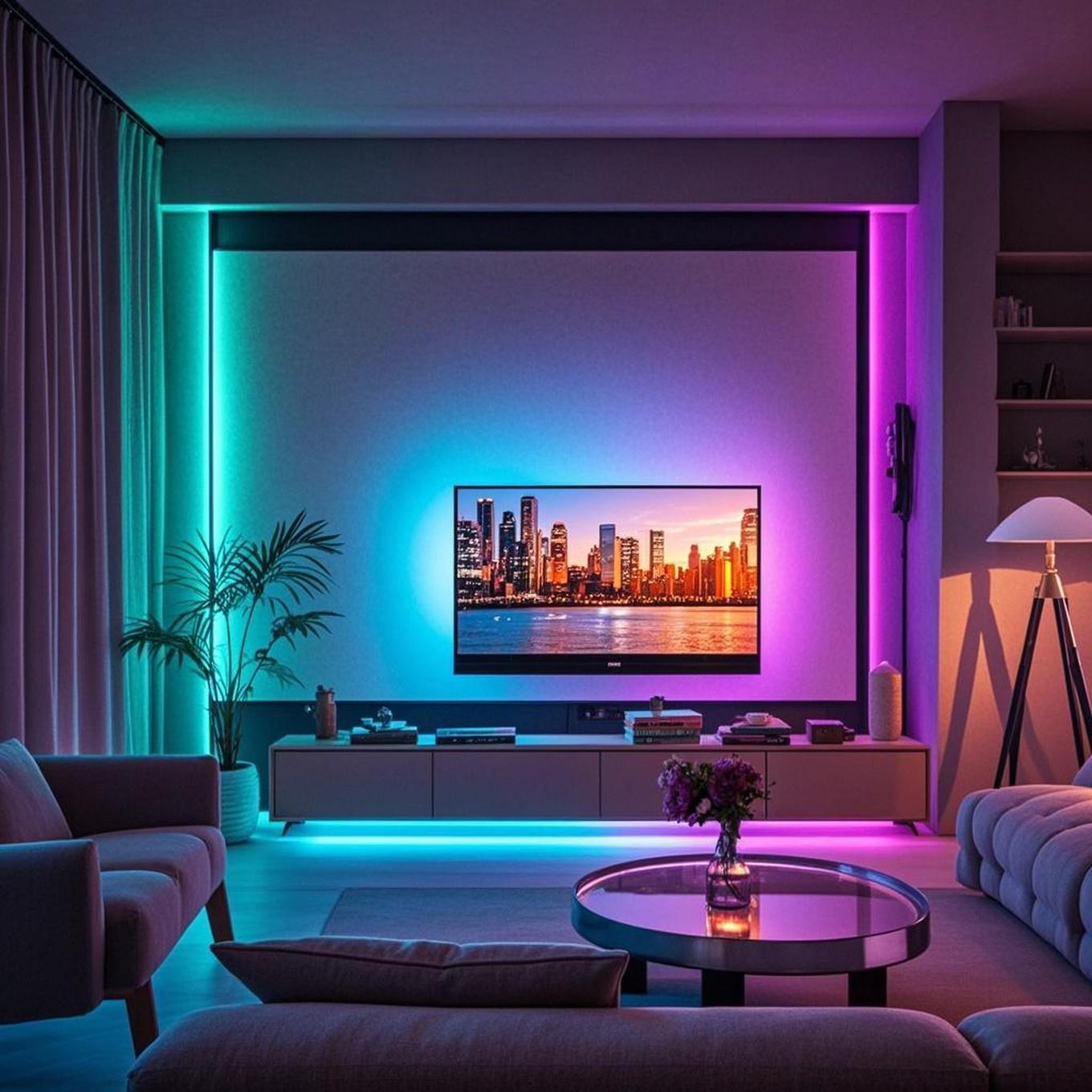
As we've explored these ten unexpected applications, a clear truth emerges: the most transformative lighting isn't necessarily the brightest or boldest, but rather the most thoughtfully integrated. From staircase edges to garden structures, LED strip lights offer possibilities limited only by imagination.
The true innovation lies not in the technology itself, but in how we choose to implement it. When lighting becomes an extension of architecture rather than an addition to it, our homes transform into more functional, beautiful, and personalized spaces.
What unconventional surface in your home might become your next canvas for illumination? Perhaps that bookshelf gathering dust, the hallway that feels perpetually dim, or the garden path that disappears after sunset. With today's versatile LED technology, the only question left is: where will your light appear next?
As lighting continues its evolution from utility to experience, those who master its integration will discover their homes transformed in ways both subtle and profound—not merely brighter, but smarter, healthier, and infinitely more responsive to how we truly live.
06 FAQ
What are the most important factors when choosing LED strips for kitchen under-cabinet lighting?
For kitchen task lighting, prioritize two key factors: **Color Rendering Index (CRI)** and **color temperature**. Choose strips with a **CRI of 90 or above** to see the true colors of your food for safe and enjoyable cooking. A **cool white color temperature (4000K-5000K)** is recommended as it provides bright, alert light that enhances visibility for precise cutting and preparation. Additionally, ensure the strips are suitable for the environment; low-profile strips that fit neatly under cabinets and can be installed in an aluminum channel for heat dissipation and a clean, diffused look are ideal.
Can LED strip lights really be used outdoors, and how do I ensure they last?
Absolutely. Weatherproof LED strips (with an "IP65 rating or higher") are designed for outdoor use in places like garden paths, pergolas, or deck railings. The key to longevity is choosing strips specifically rated for outdoor conditions, which are sealed against dust and moisture. For best results, also look for "UV-resistant strips" to prevent yellowing or degradation from sunlight. Ensure all connections and controllers are also properly waterproofed according to the manufacturer's instructions.
I love the idea of backlit mirrors, but I'm worried about the light quality for grooming. What should I look for?
Your concern is valid for achieving professional-grade grooming lighting. The solution lies in selecting the right specifications. Opt for LED strips with a "high CRI (90+)" to ensure your skin tones and makeup colors are rendered accurately. Choose a "warm white color temperature (2700K-3000K)" that mimics natural daylight for the most flattering and practical effect. Installing the strips around the mirror's perimeter, rather than just the top, will provide even, shadow-free illumination across your face.
How can I integrate my new LED strip lights into my existing smart home system?
Modern LED strip systems are highly compatible. Many come with or can connect to "smart controllers" that work with platforms like "Google Home, Amazon Alexa, or Apple HomeKit". When purchasing, look for strips labeled as "smart-ready" or "Wi-Fi/Bluetooth enabled." This allows for seamless integration, enabling you to control lights via voice commands, smartphone apps, or automated routines (e.g., turning on entryway lights at sunset or syncing with your "Good Night" scene).
Is installing LED strip lights a DIY-friendly project, or should I hire a professional?
The complexity varies by project. "Simple accent projects" (like a single bookshelf or headboard) are very DIY-friendly, requiring basic tools and careful adherence to installation steps like surface cleaning and proper power connection. "Whole-home or architectural integrations" (involving complex wiring through ceilings, multiple power supplies, or programming advanced smart scenes) carry a higher difficulty. The blog's "Implementation Cost Comparison" table provides a clear guideline: while single-room projects have "High" DIY feasibility, architectural integrations are rated "Low," often benefiting from a professional's expertise to ensure safety, functionality, and a flawless finish.
Do you want some LED lights to decorate your home? Please contact us!