
2025-04-24
Can LED Strip Lights Catch Fire?
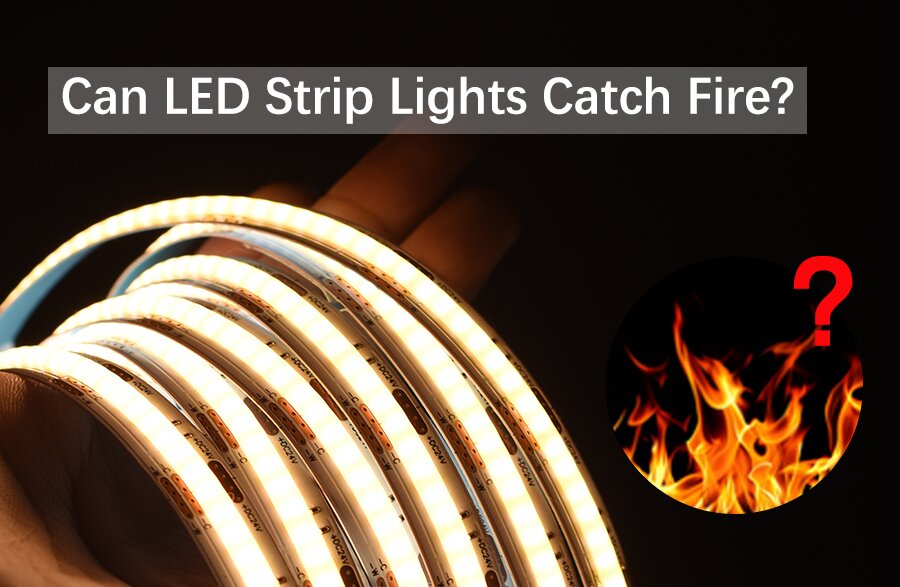
Are LED Strip Lights a Fire Hazard? Addressing Your Safety Concerns.LED strip lights have revolutionized the way we illuminate our homes, businesses, and decorative spaces. Their versatility, energy efficiency, and vibrant colors have made them a popular choice for adding ambiance, task lighting, and eye-catching accents. However, with their increasing prevalence, a crucial question arises: Are LED strip lights safe, and could they potentially cause a fire?
This blog post will delve into the potential fire risks associated with LED strip lights, explore the factors that can contribute to such hazards, and provide comprehensive guidance on how to use them safely, ensuring peace of mind while enjoying their benefits.
How Do Incandescent Light Bulbs Catch Fire?
Do LED Strip Lights Get Hot?
How To Reduce Heat in LED Strip Lights?
Can LED Strip Lights Catch Fire?
What Factors Can Cause LED Strip Lights To Catch Fire?
How To Avoid Fire Risks With LED Strip Lights?
Real-Life Case Studies: Lessons from LED Strip Light Incidents
How ADLED Ensures the Safety of Our LED Strip Lights?
FAQ
Conclusion
How Do Incandescent Light Bulbs Catch Fire?
To understand the fire risks associated with LED strip lights, it's helpful to first consider how traditional incandescent light bulbs can cause fires. Incandescent bulbs generate light by heating a thin filament until it glows. This process produces a significant amount of heat as a byproduct. If an incandescent bulb comes into contact with flammable materials like paper, fabric, or curtains, the high surface temperature can ignite these materials, leading to a fire. Furthermore, faulty wiring or overheated ballasts in older fluorescent fixtures can also pose fire hazards.

Do LED Strip Lights Get Hot?
Compared to incandescent bulbs, LED strip lights operate at significantly lower temperatures. They produce light through a semiconductor process that is far more energy-efficient and generates much less heat. While LED chips do produce some heat, it is typically dissipated through a heat sink or the flexible circuit board (PCB) of the LED strip light.
You might notice that LED strip lights feel slightly warm to the touch after prolonged use, but this level of heat is generally not high enough to ignite common household materials under normal operating conditions.
How To Reduce Heat in LED Strip Lights?
Even though LED strip lights produce less heat than traditional bulbs, managing the small amount of heat they do generate is essential for their longevity and safety. Here are some ways to reduce heat in LED strip lights:

-
Use LED Aluminum Channels
Mounting LED strips in LED aluminum channels not only provides a clean and finished look but also acts as an effective heat sink, drawing heat away from the LEDs and dissipating it into the surrounding air.
-
Ensure Adequate Ventilation
Avoid installing LED strip lights in enclosed or poorly ventilated spaces where heat can build up. Allow for airflow around the strips to help dissipate heat.
-
Don't Overpower
Always use a power supply with the correct voltage and wattage for your LED strip lights. Overpowering them can lead to excessive heat generation and potential damage.
-
Avoid Overcrowding
If installing multiple LED strips, avoid overlapping them or bunching them tightly together, as this can restrict airflow and trap heat.
Can LED Strip Lights Catch Fire?
Under normal and proper usage, high quality LED strip lights are unlikely to catch fire. Their low operating temperature and energy-efficient design significantly reduce the risk of ignition compared to traditional lighting sources.
However, like any electrical device, LED strip lights can pose a fire hazard if misused, are of poor quality, or are installed incorrectly. It's crucial to be aware of the potential risks and take necessary precautions.
What Factors Can Cause LED Strip Lights To Catch Fire?
While the risk is low, several factors can increase the potential for LED strip lights to cause a fire:
1. Using Low Quality LED Strips or LED Power Supplies
Inexpensive, poorly manufactured LED strip lights and power supplies may lack essential safety features, use substandard components, and have inadequate wiring or heat dissipation mechanisms. These can overheat, short circuit, and potentially ignite nearby materials.
2. Mismatched Power Adapter Wattage
Using a power adapter with insufficient or excessive wattage can lead to overheating and failure of the LED strip or the LED power supply itself, increasing the risk of fire. Always use a power supply that matches the voltage and wattage requirements of your LED strip lights with some headroom.
3. Poor Heat Dissipation
If the heat generated by the LEDs is not effectively dissipated, it can build up over time, damaging the components and potentially leading to overheating and fire. This is more likely in enclosed spaces or when LED strips are installed without proper ventilation or heat sinks.
4. Improper Installation
Incorrect wiring, loose connections, or damage to the LED strip during installation can create electrical faults, leading to short circuits and potential fires. Overbending or kinking the LED strips can also damage the internal circuitry.
5. Humid Environments or Contact with Flammable Materials
Using non-waterproof LED strips in damp or humid environments can lead to corrosion and electrical shorts. Allowing the LED strips to come into direct contact with highly flammable materials like thin fabrics or paper can also pose a fire risk if the lights do overheat due to other issues.

How To Avoid Fire Risks With LED Strip Lights?
Protecting your home or business from potential fire hazards associated with LED strip lights requires careful selection, installation, and maintenance:
-
Choose High Quality LED Strip Lights Manufacturers
Opt for LED strip lights from established brands that adhere to safety standards and use quality components. Look for certifications such as UL, CE, and RoHS, which indicate that the products have been tested for safety and performance.
-
Use a Properly Rated LED Power Supply
Always use a power supply that matches the voltage and wattage requirements of your LED strip lights. It's good practice to choose a power supply with a slightly higher wattage rating (e.g., 10-20% more) than the total wattage of the LED strips to avoid overworking it.
-
Installation Precautions
Allow for Heat Dissipation: Ensure there is adequate space around the LED strips for heat to dissipate. Avoid installing them in tightly enclosed areas without ventilation.
Use Aluminum Channels: Employ aluminum channels to aid in heat dissipation and provide a protective housing for the LED strips.
Avoid Overbending or Kinking: Be careful not to bend or kink the LED strips excessively during installation, as this can damage the delicate circuitry.
Secure Connections Properly: Ensure all electrical connections are secure and properly insulated to prevent short circuits.
-
Regular Inspection and Maintenance
Check for Aging or Damage: Periodically inspect the LED strips, power supply, and wiring for any signs of wear, damage, or loose connections.
Monitor for Overheating: Feel the power supply and LED strips during and after use. If they feel excessively hot, disconnect them immediately and investigate the cause.
Ensure Proper Adhesion: If using adhesive backing, ensure the strips are firmly attached to prevent them from peeling off and potentially contacting flammable materials.
-
Use Fire-Resistant Accessories
When installing LED strip lights, consider using fire-resistant tapes (like 3M fire-retardant tapes) and other accessories for added safety.
-
Usage Considerations
Long-Term Use with Timers: For extended periods of operation, especially in unattended areas, consider using timers or dimmers that can help manage the usage and reduce potential stress on the components.
Outdoor Use: If using LED strip lights outdoors, ensure they are specifically designed and rated for outdoor use (waterproof and UV-resistant) to prevent damage and electrical hazards.
Real-Life Case Studies: Lessons from LED Strip Light Incidents
While rare, incidents involving LED strip lights do occur and often highlight the importance of safety precautions:
-
Case Study 1: Curtain Fire Due to Low Quality LED Strip Lights
Household experienced a fire when low quality LED strip lights installed near curtains overheated, likely due to poor heat dissipation and substandard components. The excessive heat ignited the nearby fabric, causing a fire. This emphasizes the risk of using uncertified and cheap LED products.
-
Case Study 2: Electrical Fire in a Commercial Space
In a commercial setting, a short circuit in poorly installed LED strip lights led to an electrical fire within the wall wiring. This incident underscored the importance of proper installation techniques and ensuring connections are secure and insulated.
Common Causes Identified: These cases, and others, often point to common underlying causes: poor product quality (lack of safety features, substandard materials) and installation negligence (improper wiring, inadequate heat dissipation, proximity to flammable materials).
How ADLED Ensures the Safety of Our LED Strip Lights?
At ADLED, safety is paramount. We take rigorous measures to ensure our LED strip lights are safe for our customers:
-
UL Certification and Flame-Retardant Materials
All our LED strip lights undergo stringent testing and are UL certified, demonstrating compliance with recognized safety standards. We utilize flame-retardant materials in the construction of our LED strips to minimize the risk of fire propagation.
-
High Thermal Conductivity PCB
Our LED strips are built with high thermal conductivity Printed Circuit Boards (PCBs). This design efficiently dissipates heat away from the LED chips, preventing overheating and ensuring longevity and safety.
-
Rigorous Electrical Safety Testing
Each batch of our LED strip lights undergoes thorough electrical safety testing to ensure proper insulation, current flow, and overall safe operation.
-
Professional Installation Guidance and Support
We provide comprehensive installation guidelines and offer professional support to ensure our products are installed correctly and safely.
FAQ
Are LED strip lights safe for bedrooms?
Yes, when using high-quality, certified LED strip lights installed correctly and not in direct contact with bedding or curtains, they are generally safe for bedrooms.
Can LED strip lights be left on overnight?
High-quality LED strip lights are designed for extended use. However, it's always a good practice to turn off any electrical devices when you are away or asleep as a general safety precaution. Ensure proper ventilation and avoid covering the lights.
Do LED strip lights use a lot of electricity?
No, LED strip lights are very energy-efficient compared to traditional lighting. They consume significantly less power, which also contributes to their lower operating temperature and reduced fire risk.
Is it okay to leave LED strip lights on all night?
Yes, it's generally safe to leave LED strip lights on all night, as they are energy-efficient and produce very little heat. Just make sure you're using high quality LED strips with proper power supply and installation to avoid any potential risks.\
Is it safe to leave LED strip lights plugged in?
Yes, it's safe to leave LED strip lights plugged in, as long as you're using a high-quality product with a certified power supply. Proper installation and ventilation are also important to ensure long-term safety.
Can LED lights cause a house fire?
LED lights themselves are very unlikely to cause a house fire, as they produce minimal heat. However, poor-quality products, faulty wiring, or improper installation can pose a fire risk, so it's important to use certified, reliable LED lights.
Do LEDs get hot enough to start a fire?
No, LEDs do not get hot enough to start a fire under normal conditions. They stay cool compared to traditional bulbs, but poor-quality LEDs or improper installation can lead to overheating, which may pose a risk.
Conclusion
LED strip lights offer a fantastic way to enhance your environment, and when used responsibly, they pose a minimal fire risk. By choosing high-quality, certified products, following proper installation guidelines, ensuring adequate heat dissipation, and conducting regular maintenance, you can enjoy the benefits of LED strip lights with confidence and peace of mind. Always prioritize safety and be mindful of potential hazards to ensure a bright and safe environment.


