

2026-02-03
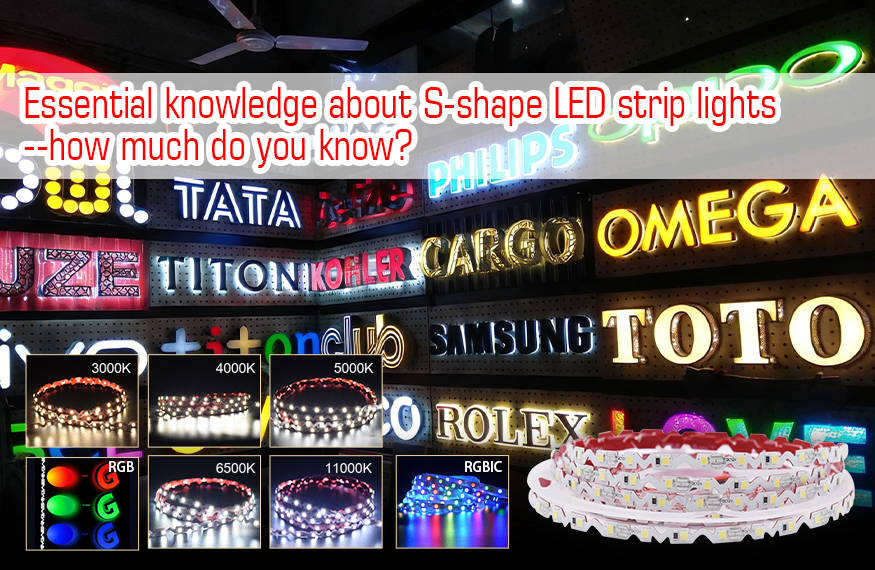
Essential knowledge about S-shape LED strip lights--how much do you know?
Essential knowledge about S-shape LED strip lights--how much do you know?
In the ever-evolving world of architectural and decorative lighting, innovation continues to push boundaries beyond traditional linear designs. Among the most versatile solutions emerging in recent years is the S-shape LED strip light—a revolutionary product that combines flexibility, durability, and aesthetic appeal in ways standard LED tapes simply cannot match. Whether you're an interior designer crafting immersive environments, a commercial architect illuminating complex geometries, or a DIY enthusiast transforming your living space, understanding the capabilities of S-shape LED technology can unlock creative possibilities you never thought possible. This comprehensive guide explores every facet of S-shaped LED strip lights—from their unique engineering and technical specifications to practical installation techniques and cutting-edge applications—equipping you with the knowledge to harness their full potential.
1.What Exactly Is an S-Shape LED Strip Light?
2.Technical Specifications and Variations
3.How S-Shape Strips Differ from Standard Flexible LED Tapes
4.Practical Applications Across Industries
5.Installation Best Practices for Optimal Results
6.Selection Criteria for Your Project
7.Maximizing Value and Longevity
8.FAQ
9.Conclusion
2.Technical Specifications and Variations
3.How S-Shape Strips Differ from Standard Flexible LED Tapes
4.Practical Applications Across Industries
5.Installation Best Practices for Optimal Results
6.Selection Criteria for Your Project
7.Maximizing Value and Longevity
8.FAQ
9.Conclusion
What Exactly Is an S-Shape LED Strip Light?
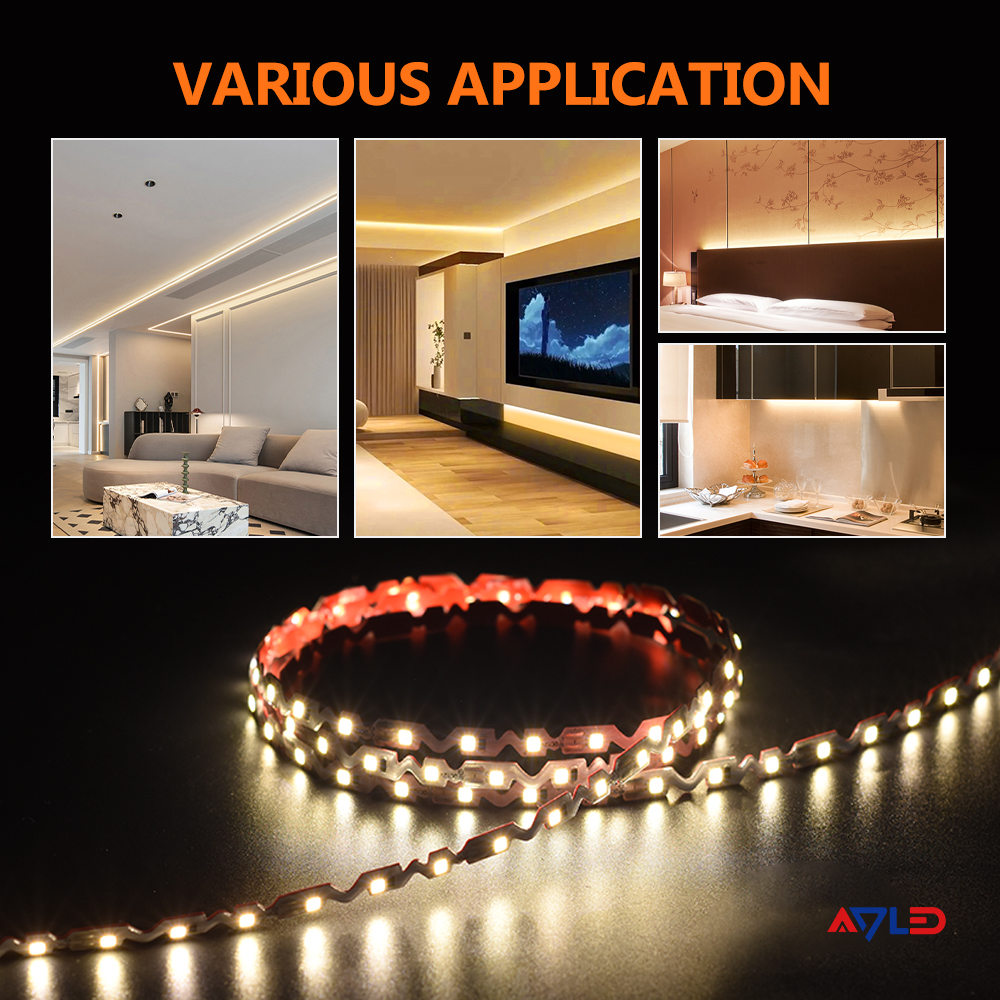
At its core, an S-shape LED strip light features a distinctive zigzag or wave-like printed circuit board layout that fundamentally differentiates it from conventional straight LED tapes. Rather than arranging LEDs in a rigid linear formation, manufacturers position diodes along a continuous S-curve pattern etched into the flexible substrate. This ingenious design creates natural pivot points throughout the strip's length, enabling remarkable three-dimensional flexibility without compromising electrical integrity or light output.
The "S" designation refers specifically to the PCB's physical architecture—not the light pattern it produces. When installed correctly, these strips deliver perfectly uniform illumination indistinguishable from standard linear counterparts. What sets them apart is their ability to conform to complex surfaces: tight-radius curves, compound angles, cylindrical columns, and organic architectural forms that would fracture or delaminate traditional flexible LED tapes. Most S-shaped variants support bending angles up to 90 degrees horizontally while maintaining consistent brightness and color temperature across the entire run.
Technical Specifications and Variations
S-shape LED strips arrive in multiple configurations tailored to diverse project requirements. Understanding these specifications ensures optimal selection for your specific application:
Physical Dimensions:
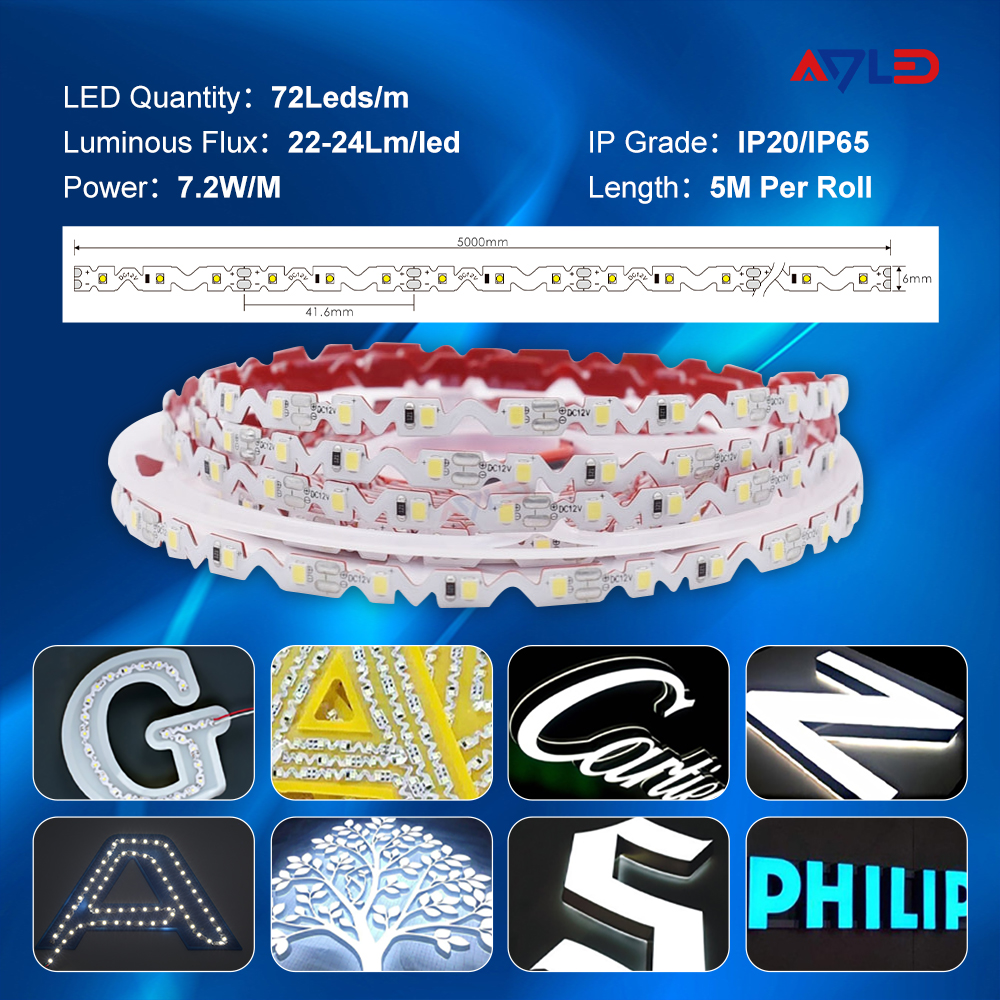
The most common widths range from 6mm to 6.5mm, with thicknesses typically under 2mm. This slim profile enables discreet installation in narrow channels, behind moldings, or within architectural reveals where bulkier lighting solutions would be impractical.
LED Density:
Strips commonly feature 60 or 120 LEDs per meter. Higher densities produce smoother, more continuous light distribution ideal for applications where individual diode visibility must be minimized—such as cove lighting or indirect illumination. Lower densities suffice for accent lighting or applications viewed from greater distances.
Voltage Options:
Both 12V DC and 24V DC variants exist in the market. While 12V systems dominate residential applications due to widespread power supply availability, 24V strips offer significant advantages for longer runs: reduced voltage drop ensures consistent brightness over distances exceeding 5 meters without requiring mid-run power injection.
Color Capabilities:
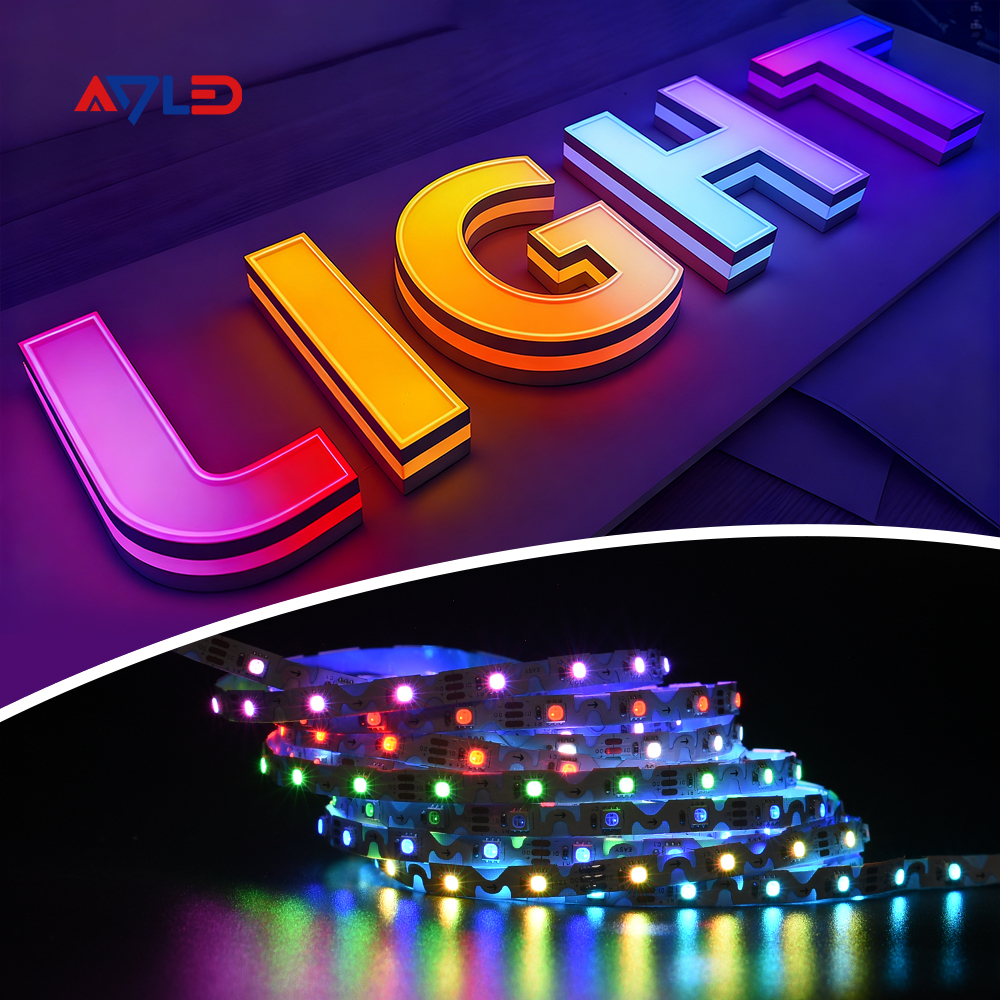
S-shape strips support the full spectrum of LED color technologies:
-
Single-color temperature options ranging from warm white to cool daylight
-
Tunable white with adjustable color temperature
-
Full RGB color-changing capabilities
-
Advanced RGBW adding a dedicated white channel for superior color accuracy
-
Individually addressable pixels for dynamic animation effects
Color Rendering Index:
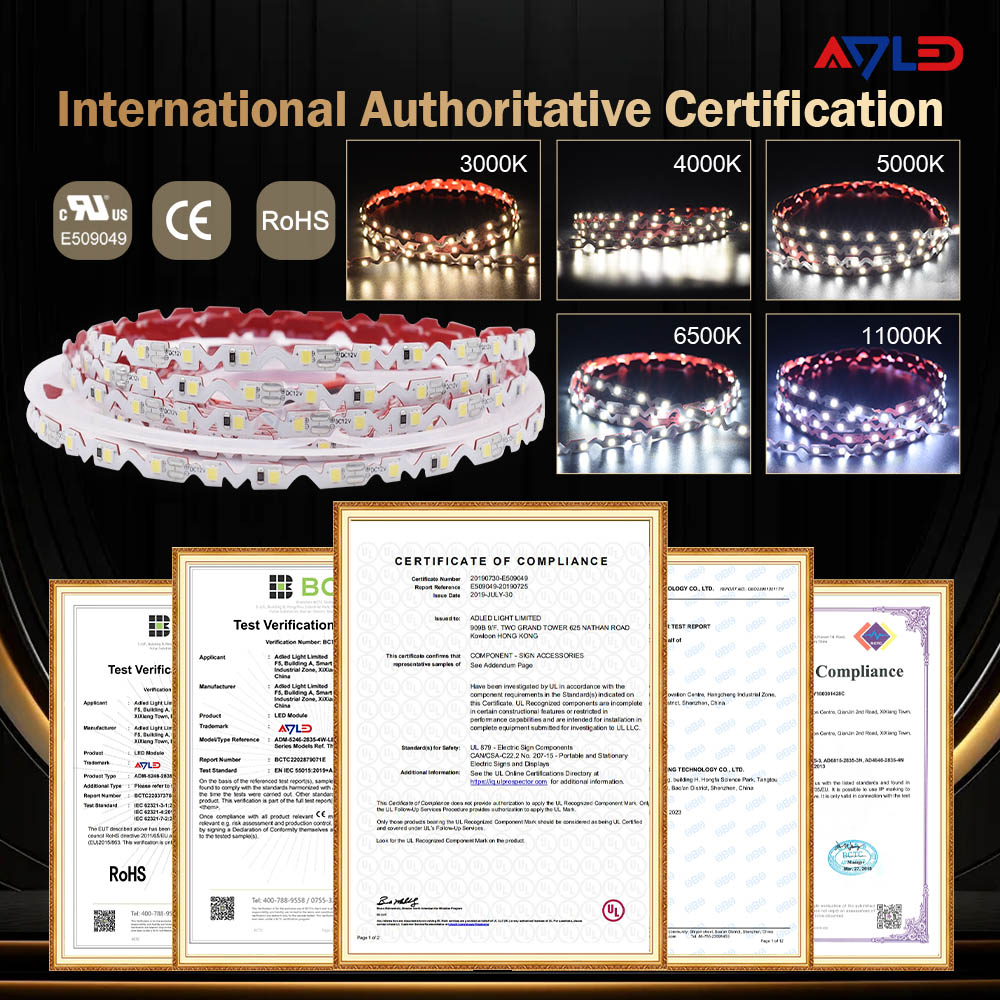
Premium S-shape strips achieve CRI ratings exceeding 90 or even 95, critical for applications where accurate color representation matters—retail displays, art galleries, or hospitality environments where material textures and finishes must appear natural under illumination.
Environmental Protection:
IP ratings span from IP20 for indoor dry locations only to IP67 for fully waterproof submersion capability. Select appropriate ratings based on installation environment—IP65 minimum for outdoor soffits or bathroom vanities exposed to moisture.
How S-Shape Strips Differ from Standard Flexible LED Tapes
While both product categories offer flexibility, their performance characteristics diverge significantly under stress. Standard flexible LED tapes utilize a straight PCB design with minimal flex tolerance—typically bending only along their longitudinal axis with limited radius capability. Attempting sharp bends or compound curves often causes solder joint fractures, copper trace separation, or premature LED failure.
S-shaped strips solve this through geometric engineering. The continuous wave pattern distributes mechanical stress across multiple gentle curves rather than concentrating force at a single bend point. Imagine trying to bend a straight ruler versus a pre-corrugated plastic sheet—the latter accommodates deformation without structural compromise. This principle allows S-shaped variants to navigate 90-degree corners, wrap cylindrical surfaces, and follow complex architectural contours impossible for conventional tapes.
Another critical distinction involves voltage drop management. The zigzag PCB layout inherently creates shorter electrical pathways between power injection points compared to straight runs of equivalent length. This design characteristic minimizes resistance buildup, preserving consistent brightness even on extended installations powered from a single end—a frequent challenge with standard flexible strips exceeding 5 meters.
Practical Applications Across Industries
The versatility of S-shape LED technology has catalyzed adoption across numerous sectors:
Architectural Lighting:
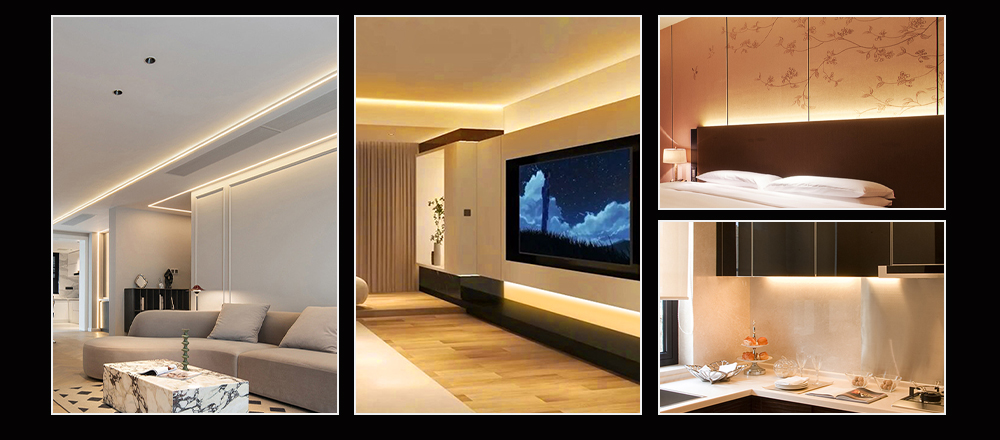
Curved stair railings, circular columns, arched doorways, and barrel-vaulted ceilings present installation challenges that S-shaped strips solve elegantly. Their ability to maintain uniform light distribution while conforming to organic forms makes them indispensable for contemporary architectural detailing where lighting must enhance rather than fight against design geometry.
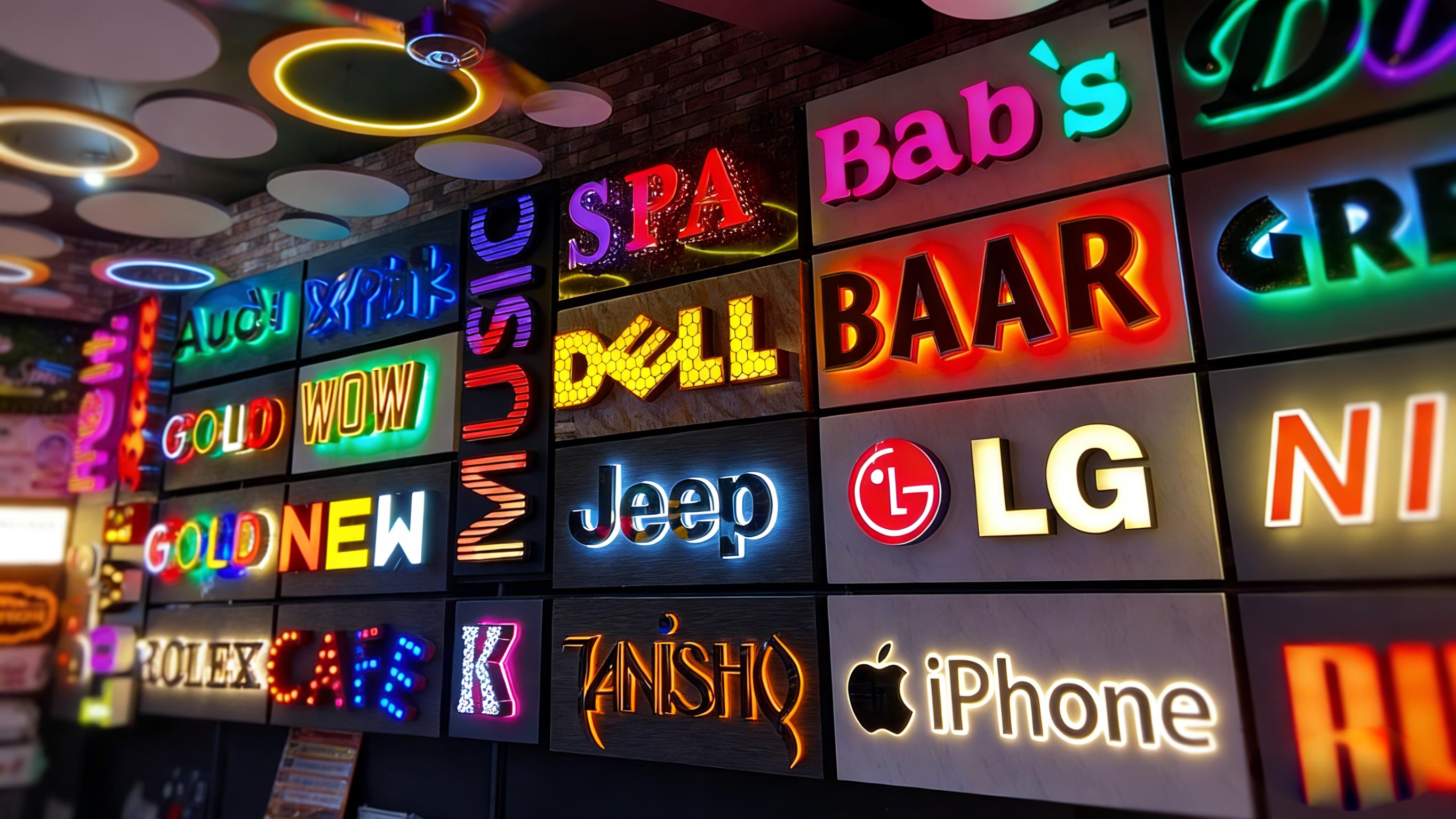
Signage and Channel Letters:
Backlighting dimensional letters with compound curves demands lighting solutions that won't crack under constant flex stress. S-shaped strips wrap seamlessly around letter interiors, eliminating dark spots at corners while withstanding thermal expansion cycles inherent in illuminated signage.
Retail Environments:
Product display shelves with curved edges, circular jewelry cases, and undulating fixture designs benefit from S-shaped illumination that highlights merchandise without visual interruption. High-CRI variants ensure accurate color representation critical for fashion, cosmetics, and luxury goods retail.
Hospitality and Entertainment:
Hotels employ these strips for cove lighting in domed ceilings, curved headboards, and sinuous bar fronts. Nightclubs and theaters leverage individually addressable S-shaped pixel strips for dynamic stage effects that flow organically across non-linear surfaces.
Residential Innovation:
Homeowners install S-shape strips beneath curved kitchen islands, around circular bathtubs, inside arched alcoves, and along winding staircases. The technology democratizes professional-grade architectural lighting previously restricted to straight geometries.
Automotive Customization:
Car enthusiasts wrap S-shape RGB strips around dashboards with compound curves, under contoured seats, and along wheel wells—applications where standard strips would delaminate within weeks of vibration exposure.
Installation Best Practices for Optimal Results
Successful implementation requires attention to detail at every phase:
Surface Preparation:
Clean installation surfaces thoroughly with isopropyl alcohol to remove oils, dust, and residues that compromise adhesive bonding. For challenging substrates like textured walls or cold metal, consider supplemental mounting channels or silicone adhesive backing.
Mock Installation:
Before committing to permanent adhesion, unroll the strip along its intended path without removing the adhesive backing. Verify bend radii accommodate the strip's flexibility limits and confirm adequate length with 10–15% surplus for error correction.
Bending Technique:
Never force bends beyond the strip's natural flexibility. Instead, gradually coax the material into position following its inherent S-curve rhythm. For tight-radius applications under 25mm, pre-warm the strip gently with a hairdryer at moderate temperature to increase temporary pliability—never exceed manufacturer temperature limits.
Cutting Protocol:
S-shaped strips typically permit cutting at designated intervals, often every few LEDs depending on voltage system. Always cut precisely at copper pad markings using sharp scissors—angled cuts risk short circuits. Seal cut ends with silicone conformal coating when installed in moisture-prone environments.
Power Management:
Calculate total wattage by multiplying strip length in meters by wattage-per-meter rating, then select a power supply rated 20% higher than calculated load. For runs exceeding 5 meters with 12V systems, inject power at both ends or midpoint to prevent terminal dimming.
Thermal Considerations:
Despite low operating temperatures, prolonged use in enclosed channels requires thermal management. Ensure adequate airflow or select strips with aluminum-core PCBs for enhanced heat dissipation in high-duty-cycle applications.
Selection Criteria for Your Project
Choosing the right S-shape LED strip demands consideration beyond mere aesthetics:
Assess Bend Complexity:
Simple curves may suffice with standard flexible tapes. Reserve S-shaped variants for installations requiring compound bends, tight radii under 50mm, or three-dimensional wrapping.
Prioritize CRI for Critical Applications:
Spaces where color accuracy matters—art studios, makeup areas, retail displays—demand CRI above 90. General ambient lighting tolerates CRI 80 without perceptible quality loss.
Match IP Rating to Environment:
Indoor dry locations require IP20. Bathrooms and kitchens need minimum IP44. Outdoor exposed locations demand IP65 or higher. Submersible features like fountains or pools require IP68 rating.
Consider Control Complexity:
Simple on/off or dimming requires basic PWM controllers. Color-changing applications need RGB controllers. Advanced effects like chasing patterns or music synchronization demand individually addressable strips with compatible processors.
Verify Power Supply Compatibility:
Mismatched voltage destroys LED strips instantly. Confirm strip voltage matches power supply output before connection. Always connect power supply to controller first, then controller to strip—never reverse this sequence.
Future Trends and Technological Evolution
The S-shaped LED category continues evolving rapidly. Emerging innovations include:
Integrated Sensors:
Next-generation strips embed motion, ambient light, and occupancy sensors directly into the PCB, enabling intelligent lighting that responds autonomously to environmental conditions without external hardware.
Li-Fi Capability:
Experimental S-shaped variants modulate light output at frequencies imperceptible to humans but detectable by photoreceptors, transforming illumination infrastructure into high-speed data transmission networks.
Sustainable Materials:
Manufacturers increasingly replace traditional substrates with bio-based polymers and implement fully recyclable component architectures addressing electronic waste concerns.
Enhanced Thermal Management:
Advanced materials and cooling systems promise extended lifespans exceeding 100,000 hours even under continuous high-output operation.
Maximizing Value and Longevity
Protect your investment through proper maintenance:
-
Avoid repeated flexing at identical points which fatigues copper traces over time
-
Clean dust accumulation monthly with a soft brush—dust acts as a thermal insulator accelerating LED degradation
-
Inspect adhesive bonds quarterly in high-vibration environments like garages or workshops
-
Replace failing power supplies immediately—voltage fluctuations cause cascading LED failures
-
Store unused strips in anti-static bags away from humidity and extreme temperatures
When selecting suppliers, prioritize manufacturers with proven quality control processes. Inferior S-shaped strips often suffer from inconsistent soldering at curve transitions, leading to premature failure precisely where flexibility is most needed. Request photometric reports verifying uniform lumen output across bend points, and examine samples for consistent phosphor coating that prevents color shifting at curve apexes.
Professional installers increasingly specify S-shaped technology for projects where lighting must disappear into architecture rather than announce its presence. The strips' ability to vanish into tight reveals while delivering flawless illumination represents a paradigm shift—from lighting as an applied element to lighting as an inherent property of space itself. This philosophical evolution mirrors broader trends in interior design favoring seamless integration over decorative statement.
For DIY enthusiasts, S-shaped strips lower the barrier to professional results. Where once curved lighting demanded custom-bent aluminum channels with discrete LED modules—costly and time-intensive—today's S-shaped technology enables single-strip solutions with minimal tools. A pair of scissors, a compatible power supply, and careful planning yield results indistinguishable from contractor-installed systems.
Environmental considerations also favor S-shaped technology. Their efficient design minimizes material waste during installation—fewer cuts, fewer connectors, fewer failed attempts due to breakage. Combined with LED efficiency generally consuming 75% less energy than incandescent alternatives, these strips represent a genuinely sustainable lighting choice when specified thoughtfully.
As smart home ecosystems mature, S-shaped strips increasingly integrate with voice assistants, home automation platforms, and circadian rhythm programming. Imagine curved cove lighting that gradually shifts color temperature throughout the day—cool energizing tones at dawn transitioning to warm relaxing hues by evening—all flowing seamlessly around architectural curves without visual interruption. This holistic approach to lighting design becomes practical only through flexible technologies like S-shaped strips.
The economic case strengthens with every installation. While S-shaped variants carry a modest premium over standard flexible tapes—typically 15–25% higher per meter—their reduced installation time, lower failure rates, and elimination of corner connectors often deliver net cost savings on complex projects. For professional installers, this translates to higher profit margins; for homeowners, fewer callbacks and longer service life.
Creative applications continue expanding as designers discover new possibilities. Furniture makers embed S-shaped strips into curved headboards and console tables. Landscape architects wrap them around organic garden sculptures and curved retaining walls. Marine designers illuminate yacht interiors with strips that follow the vessel's compound curves—applications impossible with rigid linear solutions.
Understanding the limitations remains equally important. S-shaped strips excel at horizontal flexibility but offer limited vertical bending capacity. They cannot fold flat against themselves or navigate extreme compound bends exceeding their design parameters. Recognizing these boundaries prevents installation frustration and ensures appropriate application selection.
Color consistency across long runs demands careful power planning. Even with 24V systems, installations exceeding 10 meters benefit from dual-end power injection to maintain perfect uniformity—especially critical with tunable white or RGB systems where voltage drop manifests as color shift rather than simple dimming. Professional-grade installations often incorporate constant-current regulators for mission-critical applications.
The aesthetic impact of proper S-shaped strip implementation cannot be overstated. When light flows uninterrupted around curves—no dark corners, no visible diodes, no installation artifacts—the architecture itself appears to glow from within. This magical quality transforms ordinary spaces into immersive environments where light and form exist in perfect harmony. It's this transformative potential that makes S-shaped LED technology not merely a product specification, but a design philosophy enabling spaces to achieve their full luminous potential.
FAQ
Can S-shape LED strips be cut to custom lengths?
Yes, most S-shape strips feature designated cut lines typically every 25–50mm depending on LED density. Always cut precisely at copper pad markings using sharp scissors and seal cut ends in moisture-prone environments.
Are S-shape strips dimmable?
Absolutely. All S-shape LED strips support dimming when paired with compatible PWM dimmers or controllers designed for their specific voltage and current requirements.
What's the maximum continuous run length without voltage drop?
With 24V systems: up to 10 meters from a single power injection point. With 12V systems: maximum 5 meters before noticeable dimming occurs at the far end. Longer runs require multiple power injection points.
Can I install S-shape strips outdoors?
Only if specifically rated for outdoor use with minimum IP65 protection. Standard indoor variants will fail rapidly when exposed to rain, snow, or humidity. Always verify IP rating matches your installation environment.
Do S-shape strips generate noticeable heat?
Modern S-shape strips operate at 30–45°C surface temperature under normal use—warm but not hot enough to damage most surfaces. Avoid installing directly against heat-sensitive materials like thin plastics without thermal barriers.
How do I connect multiple S-shape strip sections?
Use solderless connectors designed for your strip's width and pin configuration, or solder connections with proper heat management. For critical installations, soldering provides more reliable long-term connections than mechanical connectors.
Can S-shape strips be reused after removal?
Generally not recommended. The pressure-sensitive adhesive backing loses effectiveness after removal, and repeated flexing during reinstallation risks damaging the PCB. Plan installations carefully to avoid repositioning needs.
Conclusion
S-shape LED strip lights represent a significant evolution in flexible lighting technology—transforming what was once a limitation into a celebrated feature. Their unique zigzag PCB architecture unlocks installation possibilities across curved surfaces, compound geometries, and organic forms that standard LED tapes simply cannot navigate reliably. From architectural masterpieces to residential accents, these strips deliver uniform illumination while conforming seamlessly to complex contours.
The true power of S-shape technology lies not merely in its flexibility, but in how that flexibility enables lighting designers to work harmoniously with architectural intent rather than fighting against it. As manufacturing advances continue enhancing thermal performance, color accuracy, and smart functionality integration, S-shaped LED strips will undoubtedly become the default choice for any application demanding both aesthetic precision and geometric adaptability. Whether illuminating a gentle cove or wrapping a dramatic spiral staircase, these innovative strips ensure light flows exactly where vision demands—without compromise, without interruption, and without limitation.