

2025-10-30
How to Choose the Right Lighting for Your Jewelry Store?
How to Choose the Right Lighting for Your Jewelry Store?
In the world of high-end jewelry, perception is everything. A piece isn't just a collection of precious metals and stones; it is a story, an heirloom, a symbol of a milestone. But even the most exquisite diamond can appear dull and lifeless under the wrong light. The difference between a browser and a buyer often comes down to a single, critical factor: lighting.
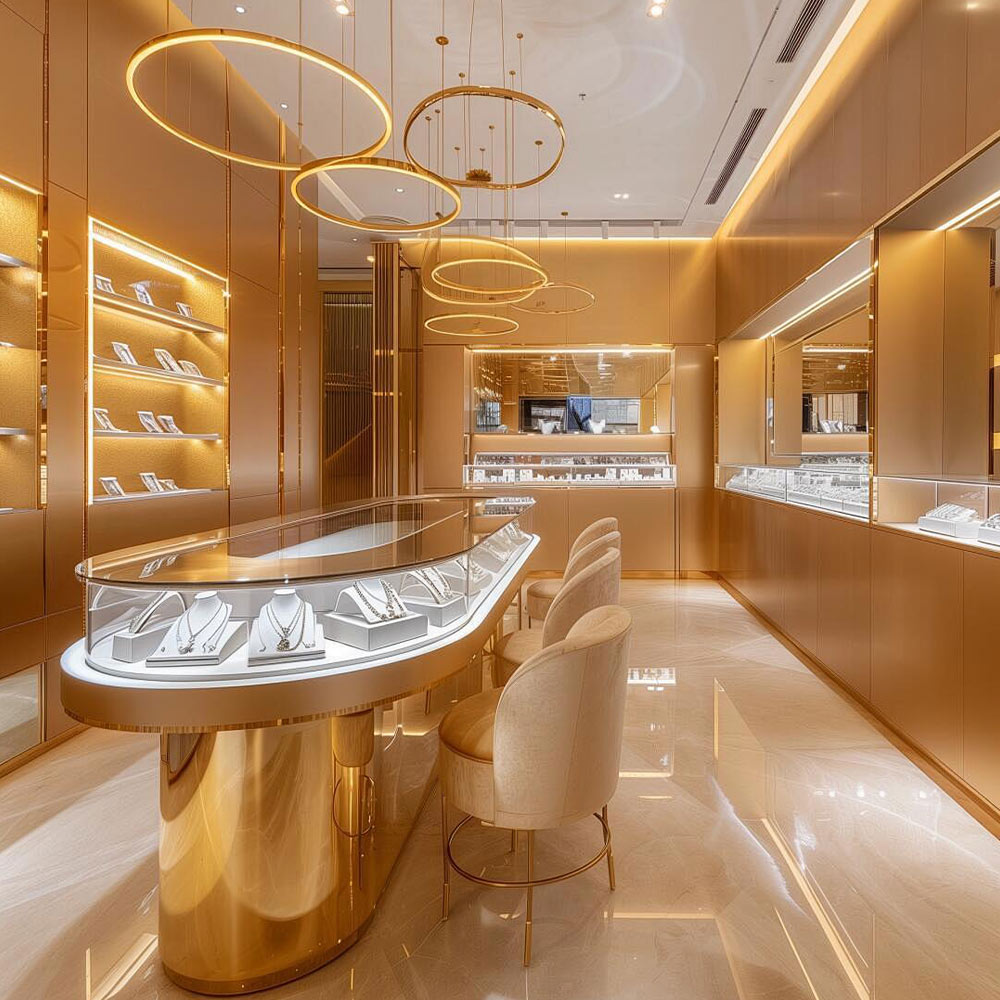
Lighting in a jewelry store is not a utility; it is the silent salesperson, the master storyteller, and the essential tool that transforms inventory into irresistible desire. It’s the alchemy that turns carbon into a fiery diamond and gold into liquid sunlight. Choosing the right lighting strategy is a scientific and artistic endeavor that directly impacts sales, brand perception, and customer experience.
This guide will illuminate the path to creating a perfect lighting scheme for your jewelry store.
The Golden Rule: Understanding Color Rendering Index (CRI)
Before selecting fixtures, you must understand one non-negotiable metric: the Color Rendering Index (CRI).
-
What it is: CRI is a scale from 0 to 100 that measures a light source's ability to reveal the true, authentic colors of an object compared to natural daylight.
-
Why it's crucial: A low CRI light will make a D-color diamond look yellowish and a vibrant ruby appear muddy. It misrepresents your product and betrays the customer's trust.
-
The Standard: For jewelry, never settle for anything less than CRI 90+. A CRI of 95+ is the industry gold standard. This ensures that every facet, hue, and inclusion is displayed with absolute accuracy and brilliance
The Cornerstones of a Lighting Plan: Three Layers of Light
A professional lighting design is built on three distinct layers that work in harmony.
Layer 1: Ambient Lighting (The Foundation)
This is the general, low-level light that fills the room. Its purpose is not to dazzle but to provide a comfortable, safe, and inviting atmosphere.
-
Application: Soft, diffused downlights in the ceiling or cove lighting around the perimeter.
-
Goal: To eliminate harsh shadows and create a smooth visual transition throughout the space. It should be subtle enough to make the next two layers pop. Think of it as the velvet backdrop to your star performers.
Layer 2: Accent Lighting (The Star of the Show)
This is where the magic happens. Accent lighting is focused, high-intensity light directed specifically at the jewelry.
-
Application: Track lighting, pinpoint spotlights, and custom-built case lighting.
-
Goal: To create "focal points of brilliance." This layer is responsible for making diamonds sparkle, making gold gleam, and drawing the customer's eye irresistibly to the product.
Layer 3: Task Lighting (The Functional Precision)
This lighting aids in specific tasks performed by staff and customers.
-
Application: Adjustable desk lamps on the sales counters, well-lit appraisal stations, and focused lighting in private consultation rooms.
-
Goal: To provide flawless, shadow-free light for examining pieces up close, inspecting hallmarks, and completing paperwork. It builds trust by ensuring every detail is visible.
Choosing the Right Light Temperature: Setting the Mood
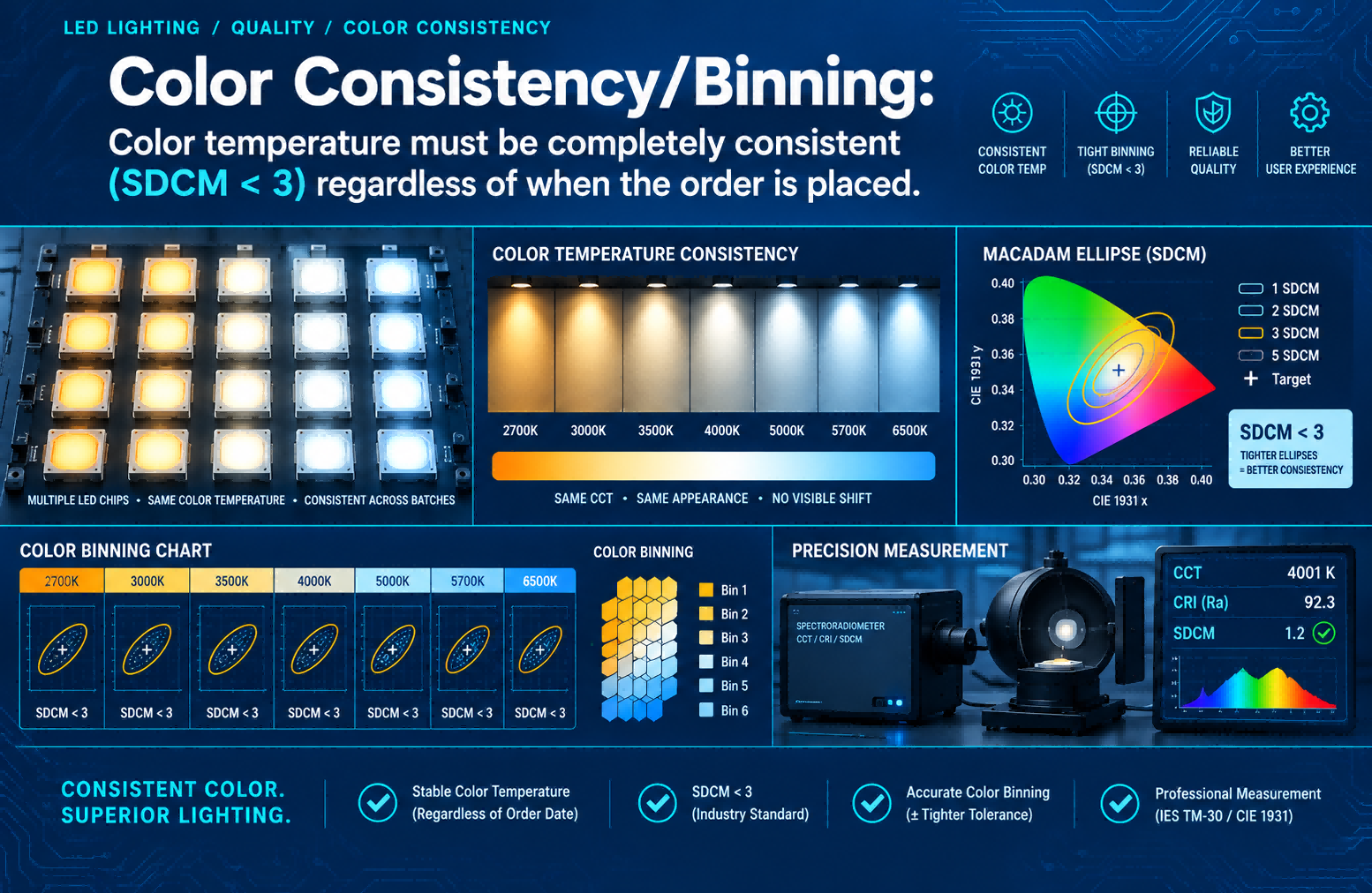
The color temperature of light, measured in Kelvins (K), defines whether light appears "warm" or "cool." This is a powerful tool for shaping your store's ambiance.
-
Cool White (4000K - 5000K): Creates a crisp, modern, and clinical feel. Excellent for displaying platinum and white gold/Diamonds, as it enhances their cool, icy whiteness.
-
Nature White (3500K - 4000K): A balanced, clean light that is highly versatile. It provides excellent color rendering without a strong warm or cool cast.
-
Warm White (2700K - 3000K): Emanates a cozy, luxurious, and inviting glow. Perfect for highlighting yellow gold, rose gold, and colored gemstones, as it amplifies their rich, warm tones.
Pro Tip: Don't use a single temperature throughout the store. Use warmer tones in the general ambiance (e.g., 3000K) and cooler, brighter tones for the accent lighting inside displays (e.g., 4000K-5000K for diamonds). This contrast makes the jewelry appear even more vibrant against the warm backdrop.
LED Technology: The Modern Jeweler's Best Friend
The debate is over: LED lighting is the unequivocal choice for modern jewelry stores.
-
Advantages:
-
Low Heat Emission: Incandescent and halogen lights generate immense heat, which can damage sensitive gems like opals and tanzanite over time and make display cases uncomfortable. LEDs run cool.
-
Energy Efficiency: They consume a fraction of the energy, significantly reducing operational costs.
-
Longevity: LED fixtures last for tens of thousands of hours, minimizing maintenance and replacement costs.
-
Design Flexibility: Available in a full spectrum of CRI and color temperature options, with dimming capabilities.
-
Ensure you invest in high-quality, flicker-free LEDs from reputable manufacturers to avoid the cheap, harsh blue light that can detract from the luxury experience.
The Art of Highlighting Different Jewelry Types
One size does not fit all. Different materials require different lighting strategies.
-
Diamonds & White Metals: The goal is sparkle (scintillation) and fire (dispersion). Use bright, cool white LEDs (5000K, CRI 95+) with a narrow beam angle to create sharp, contrasting points of light and shadow. This is what makes the facets dance.
-
Gold & Pearls: These items require a soft, diffused glow. Use warmer lights (2700K-3000K) to enhance their rich, buttery color and luminous sheen. Avoid sharp spotlights that can create unflattering hot spots.
-
Colored Gemstones: This is where CRI is paramount. A high-CRI light source will faithfully reproduce the unique hue of an emerald, the pigeon's blood red of a ruby, and the cornflower blue of a sapphire. Test your lights on your most valuable colored stones to see them "come alive."
Practical Application & Common Pitfalls to Avoid
-
Glare is the Enemy: Position lights so they are not reflected directly into the customer's eyes from the glass. Use louvers or lenses on fixtures to control the beam and prevent this "veiling reflection."
-
Embrace Dimming: Install a system that allows you to dim the ambient lights while keeping the accent lights bright. This dramatic contrast is incredibly effective at drawing focus to the products, especially during evening hours.
-
Consistency is Key: Ensure the lighting is consistent across all display cases. A customer shouldn't see a diamond look completely different from one case to another.
-
Don't Forget the Human Element: The sales counter and consultation areas must be impeccably lit. The customer's face should be well-lit to foster a personal connection, and the jewelry on the counter should be under perfect, shadow-free task lighting.
Conclusion: An Investment That Pays for Itself
Lighting is not an expense; it is one of the most critical investments you can make in your jewelry store's profitability and brand identity. It builds customer confidence by showcasing your products with honesty and spectacular beauty. It transforms a retail transaction into an emotional experience.
Before you make a final decision, work with a lighting specialist experienced in luxury retail. Test different fixtures with your actual inventory. See how a diamond cracks under a perfect spotlight. Watch how a sapphire glows under a high-CRI LED.
In the end, the right light doesn't just illuminate your jewelry; it sells it.


FAQ
What is the single most important factor to look for in a light bulb for my jewelry cases?
The Color Rendering Index (CRI) is the most critical specification. Always choose bulbs with a CRI of 95 or higher. A high CRI ensures that the colors of your gems and metals are displayed accurately and vibrantly. A diamond will show its true whiteness, and a ruby will reveal its deep, pure red, without any dullness or discoloration caused by poor-quality lighting.
Are LED lights really better than traditional halogen lights for jewelry?
Yes, unequivocally. Modern high-CRI LEDs are superior for several reasons:
-
Cooler Operation: They emit virtually no UV/IR radiation, protecting heat-sensitive gems like opals and emeralds from damage.
-
Energy Efficiency: LEDs consume significantly less electricity, leading to substantial cost savings.
-
Longevity: They last much longer than halogen bulbs, reducing maintenance and replacement frequency.
-
Versatility: LEDs are available in a full range of color temperatures, allowing you to tailor the light to specific jewelry types.
Why do the diamonds in my window display sometimes look dull during the day?
This is likely caused by a combination of factors. During the day, powerful natural sunlight can wash out your artificial accent lighting. If your window display relies on general ambient light instead of focused, bright spotlights, it cannot compete with the sun. The solution is to install dedicated, high-intensity track lights or spotlights (5000K, CRI 95+) specifically for your window display and ensure they are always on, day and night, to create consistent sparkle and fire.
What color temperature (Kelvin) should I use for my entire store?
We advise against using a single color temperature throughout the store. A more effective strategy is to use a layered approach:
-
Use warm white light (2700K-3000K) for your general ambient lighting to create a luxurious and inviting atmosphere.
-
Use cool white light (4000K-5000K) inside your display cases and for accent lighting on diamonds and white metals.
This contrast makes the brilliantly lit jewelry "pop" against the warm, cozy backdrop, drawing the customer's eye directly to your products.
How can I prevent annoying glare and reflections on the glass of my display cases?
Glare occurs when the light source is reflected directly into the viewer's eyes. To solve this:
-
Adjust the Angle: Position your spotlights at a 30-degree angle to the glass, rather than pointing straight down.
-
Use Accessories: Equip your fixtures with louvers, barn doors, or snoots to precisely control the beam and shield the light source from direct view.
-
Opt for Linear Lights: For case lighting, consider using integrated LED strips with built-in diffusers, which are designed to provide even, glare-free illumination from within the case itself.