

2025-11-19
How to Prevent Your LED Strip Lights from Falling Off?
How to Prevent Your LED Strip Lights from Falling Off: A Complete Guide to Secure, Long-Lasting Installation
LED strip lights have become one of the most popular lighting solutions for homes, offices, retail spaces, and even automotive interiors. Their flexibility, energy efficiency, vibrant color options, and easy installation make them ideal for creating ambient lighting, accentuating architectural features, or enhancing mood and atmosphere. However, one of the most common frustrations among users is watching their beautifully installed LED strips suddenly detach from the wall, ceiling, or cabinet — often at the worst possible moment.
If you’ve ever walked into a room only to find your glowing accent lights lying in a tangled heap on the floor, you know how frustrating — and potentially dangerous — this can be. Loose LED strips not only ruin the aesthetic but can also pose electrical hazards if wires become exposed or short-circuited.
In this comprehensive guide, we’ll walk you through the science, materials, and techniques behind preventing your LED strip lights from falling off. Whether you’re a DIY enthusiast or a first-time installer, these proven methods will ensure your lighting stays securely in place for years to come.
Why Do LED Strip Lights Fall Off?
Step-by-Step Guide to Securely Mount Your LED Strip Lights
Bonus Tips for Specific Scenarios
What NOT to Do
Conclusion
FAQ
Step-by-Step Guide to Securely Mount Your LED Strip Lights
Bonus Tips for Specific Scenarios
What NOT to Do
Conclusion
FAQ
Why Do LED Strip Lights Fall Off?
Before diving into solutions, it’s essential to understand why LED strips detach in the first place.
-
Poor Surface Preparation
Dust, grease, moisture, or paint residue on the mounting surface can prevent the adhesive backing from bonding properly.
-
Low-Quality Adhesive
Many budget LED strips come with weak, low-grade 3M tape that degrades under heat, humidity, or UV exposure.
-
Heat Buildup
LED strips generate heat, especially high-density or high-brightness models. If mounted on a surface that traps heat (like enclosed cabinets or poorly ventilated areas), the adhesive softens and fails.
-
Weight and Sagging
Longer strips (over 16 feet) can sag under their own weight, especially if installed horizontally without support. This puts stress on the adhesive at the ends.
-
Environmental Factors
High humidity (bathrooms, kitchens), direct sunlight (windows), or extreme temperature swings can weaken adhesive bonds over time.
-
Improper Installation TechniqueSimply peeling and sticking without pressing firmly or allowing time for bonding is a recipe for failure.
Step-by-Step Guide to Securely Mount Your LED Strip Lights
Step 1: Choose the Right LED Strip for Your Application
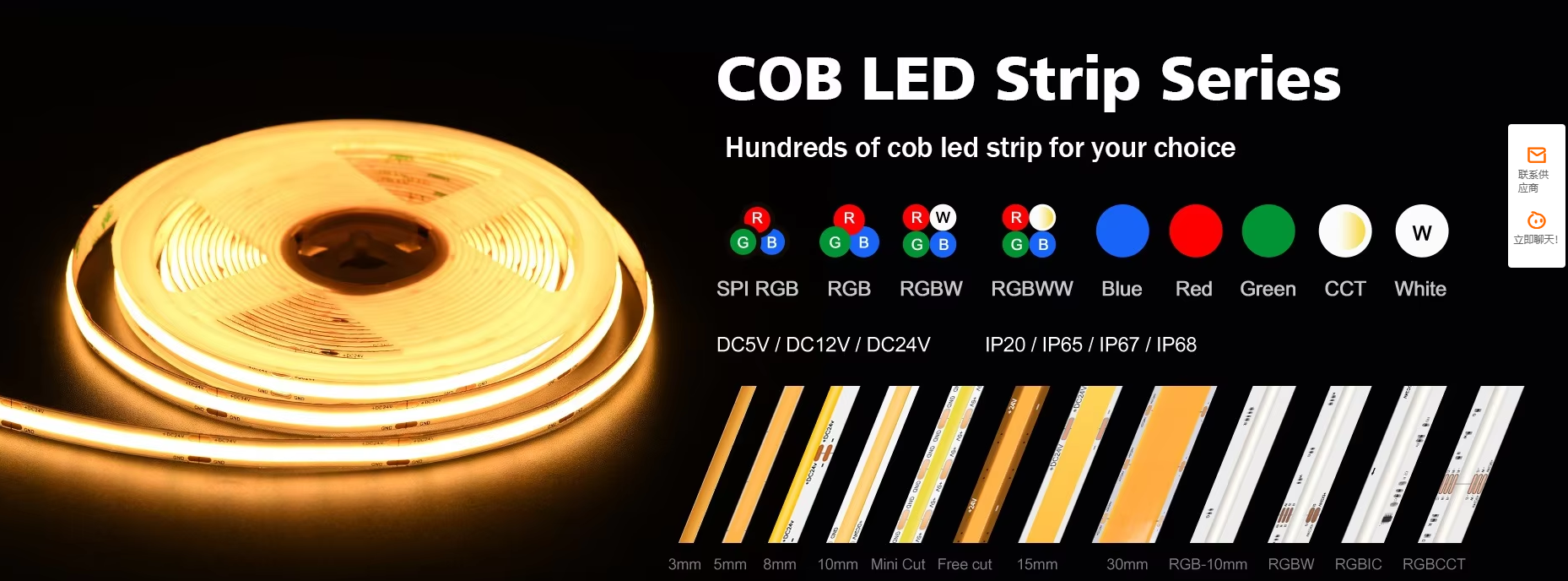
Not all LED strips are created equal. Before installation, consider:

-
Indoor vs. Outdoor Use: If installing in a bathroom, kitchen, or outdoors, choose IP65-rated or higher waterproof strips. These are designed to handle moisture and temperature changes.
-
Brightness and Density: Higher density strips (e.g., 300 LEDs/m) are heavier and require stronger mounting.
-
Power Requirements: Overloaded circuits or undersized power supplies can cause overheating, which weakens adhesive.