2025-03-24

How to Set Up Strip Lights?

How to Set Up Strip Lights?

Setting up LED strip lights is one of the quickest and most effective ways to transform any space, but achieving a professional, long-lasting finish requires more than just "peel and stick." Whether you’re looking to add elegant under-cabinet task lighting, create a vibrant gaming setup, or install seamless architectural accents, getting the basics right is essential.
Why Do You Need LED Strip Lights?
How do you install a strip light fixture?

Why Do You Need LED Strip Lights?


LED strip lights are an essential lighting solution for both residential and commercial applications. Their energy efficiency, design flexibility, and advanced features make them a preferred choice for modern lighting needs. Here’s why you should consider using them:

1. Energy Efficiency


LED strip lights consume significantly less power compared to traditional lighting sources. Their high energy efficiency helps reduce electricity costs and contributes to environmental conservation. As manufacturers, we ensure our LED solutions meet stringent energy-saving standards while delivering optimal brightness.

2. Flexible Design Applications


One of the standout features of LED strip lights is their adaptability. They can be cut to specific lengths and installed in various settings, including hard-to-reach areas. Whether used for ambient, accent, or task lighting, their flexibility allows for endless design possibilities in homes, offices, and commercial spaces.

3. Wide Color and Dimming Options


Modern LED strip lights offer extensive customization, including RGB lights options and dimmable settings. This allows users to adjust brightness levels and change colors based on different moods or functional requirements. Smart integrations, such as app-controlled systems, further enhance the convenience of lighting control.

4. Long Lifespan and Durability


LED strip lights are designed for longevity, often lasting up to 50,000 hours. Their robust construction ensures resistance to wear and tear, making them a cost-effective solution with minimal maintenance requirements. Our factory prioritizes durability in every product, ensuring reliable performance over time.

5. Easy Installation and Versatility


With options like self adhesive LED strip lights and additional mounting accessories, installation is straightforward, making it suitable for both DIY projects and professional setups. Whether for led strip home decoration, commerical led strip decoration, or other special applications, LED strip lights provide a seamless and efficient lighting solution.
Our factory specializes in producing high-quality LED lighting solutions tailored to diverse needs. With continuous innovation, we ensure that our LED strip lights meet global industry standards, providing both functionality and aesthetic appeal for various applications.

How do you install a strip light fixture?


1. Planning and Preparation

Before installation, determine the placement of the strip light fixture. Measure the installation area to ensure you have the correct length of LED lighting strips. Consider factors such as brightness requirements, color temperature, and whether you need waterproof lights for outdoor or damp environments. Make sure the surface where the strip light will be installed is clean, dry, and free from dust or oil to ensure strong adhesion if using slef-adhesive LED strip.
How do you install a strip light fixture?

2. Choosing the Right Components

Selecting the correct components is crucial for a successful installation. Key components include:
LED Strip Light: Choose from options such as 12V COB LED strip light, SMD2835 LED strip, or RGB lighting based on your needs.
Power Supply: Ensure the power supply matches the voltage and wattage of your strip lights.
Connectors and Controllers: If using RGB lights or smart light strips, select a compatible controller to manage color and brightness.
Mounting Accessories: Depending on the surface, you may need additional mounting clips or aluminum channels for better heat dissipation and a professional finish.
Light installation accessories

3. Installation

Step 1: Cutting and Connecting: If using cuttable LED strip lighting, cut at the designated marks to avoid damaging the circuit. Use connectors or solder wires for secure connections.
Step 2: Mounting the Strip: Peel off the backing of self-adhesive and press it firmly onto the surface. For non-adhesive options, use mounting clips or profiles.
Step 3: Wiring and Powering: Connect the strip light to the power supply, ensuring proper polarity. If using a dimmer or controller, connect it between the power supply and the LED strip.
Step 4: Testing: Turn on the power and check for any connection issues, flickering, or dim sections. Make necessary adjustments before securing everything in place.
Installation method

4. Tips for Lighting

For uniform lighting, avoid bending the strip excessively, as it may damage the LEDs.
Use aluminum channels to extend the lifespan of your LED strip by improving heat dissipation.
If installing in a high-humidity area, opt for LED stripe ip65 or higher-rated options.
Consider using a smart controller for added convenience, allowing remote control and automation of lighting settings.
Led lights profile

5. Maintenance and Troubleshooting

To ensure the longevity and optimal performance of your LED strip lights, regular maintenance is essential. Follow these best practices to keep your lighting system in top condition:
Regular Cleaning: Dust and dirt can accumulate on the surface of the LED strip, reducing brightness. Wipe the strips gently with a soft, dry cloth or use a damp cloth with mild cleaner if necessary.
Check for Loose Connections: Over time, connectors and soldered joints may loosen due to vibrations or movement. Inspect and re-secure connections to prevent flickering or inconsistent lighting.
Avoid Overheating: Ensure that the LED strips are installed on a heat-dissipating surface, such as aluminum channels, to prevent overheating. Poor ventilation can shorten the lifespan of the LEDs.
Power Supply Inspection: If the lights fail to turn on, check the power supply for any faults. Ensure the voltage and wattage are appropriate for your LED strip configuration.
Replace Damaged Sections: If a segment of the strip light stops working, perform a LED strip test to identify faulty sections. If needed, cut and replace the damaged portion with a new segment using compatible connectors.
Waterproofing Check: For outdoor or humid environments, inspect waterproof white LED strip lights for any signs of seal degradation. Reapply waterproofing if necessary to maintain protection against moisture.
By following these maintenance and troubleshooting tips, you can extend the lifespan of your LED strip lighting and ensure consistent performance. Our factory provides high-quality replacement components and technical support to assist with any issues that may arise.

FAQ


1.How do I cut LED strip lights?

Most cuttable LED strips have designated cut marks, usually every 3-6 LEDs. Use scissors to cut along the marked line to avoid damaging the circuit.

2.How to connect multiple LEDs together?

You can use specialized connectors or soldering to link multiple LED strips. Ensure that the voltage matches and use a power adapter with sufficient capacity to prevent brightness loss or damage to the strips.

3.How to make LED light strips not fall?

Self-adhesive LED strips should be applied to a clean, dry, and oil-free surface. For extra security, use mounting clips or aluminum channels, especially in high-temperature or humid environments.

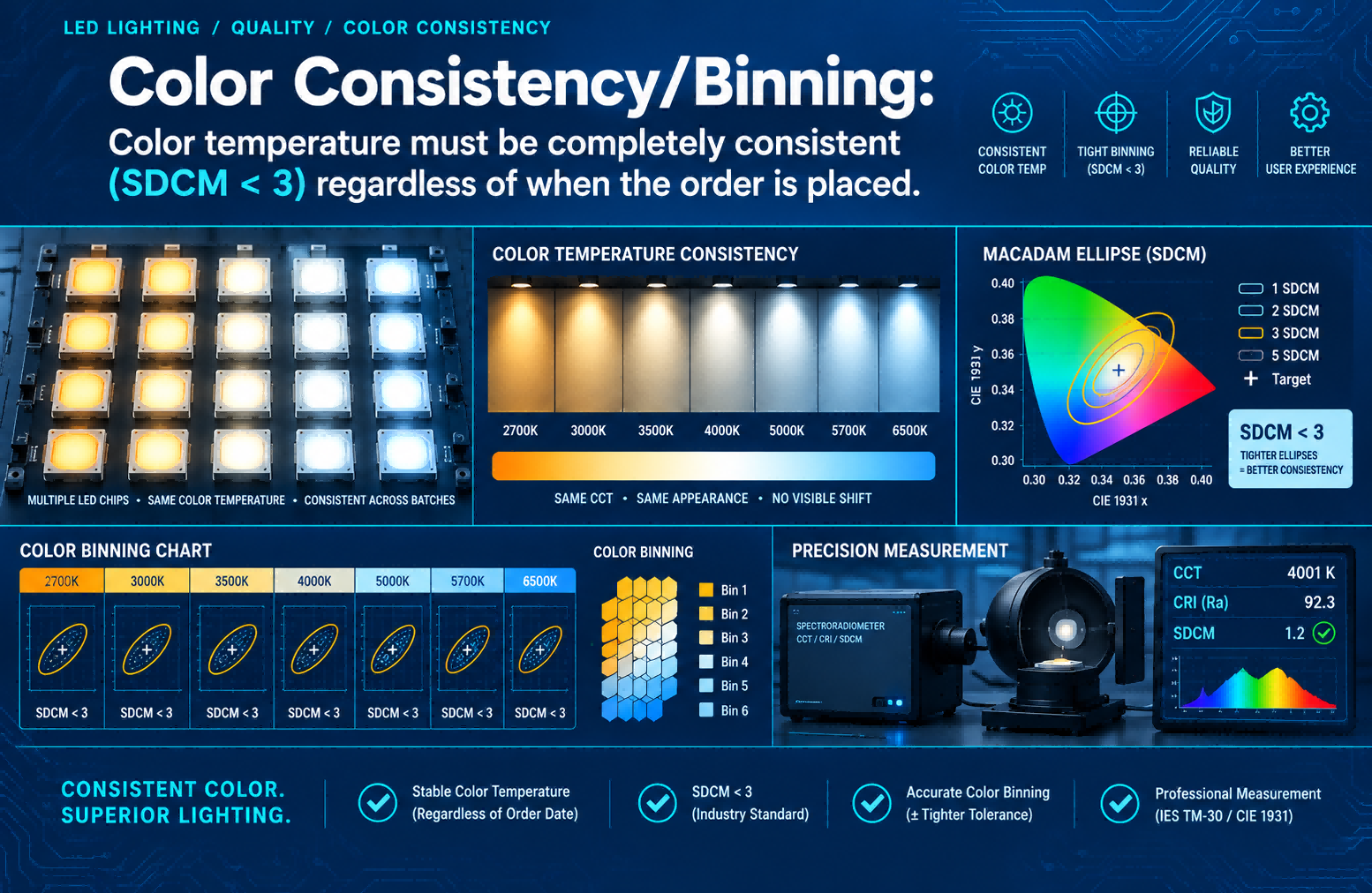
4.How do I choose the right LED strip color temperature?

3000K (Warm White): Ideal for cozy environments like living rooms and bedrooms.
4000K (Neutral White): Suitable for offices and retail spaces requiring clear illumination.
6000K (Cool White): Best for workspaces, garages, or display lighting.
5.How is the brightness of LED strip lights measured?
Brightness is measured in lumens (lm). Different LED types offer varying brightness levels, such as SMD2835 LED strips providing 20-24lm per LED, while 12V COB LED strips deliver more uniform and higher lumen output.

6.What is the difference between RGB LED strips and single-color LED strips?

RGB LED strips can change colors and are usually controlled via remote or smart controllers. Single-color LED strips emit only one fixed color, such as white or warm white, and are often used for task lighting.

7.What type of power supply do I need for my LED strip lights?

The power supply should match the voltage of your LED strip (e.g., 12V or 24V) and provide enough wattage. To calculate, multiply the strip's wattage per meter by the total length.

8.Can I dim LED strip lights?

Yes, but you need a compatible dimmer. Standard LED strips require a PWM dimmer, while smart LED strips can be controlled via an app or voice assistant.

9.How long do LED strip lights last?

High-quality LED strips can last up to 50,000 hours or more, depending on usage and environmental conditions. Proper heat dissipation can help extend their lifespan.

10.How do I maintain and clean my LED strip lights?

Regularly dust the strips with a soft cloth. For deeper cleaning, use a damp cloth with mild cleaner, but ensure the power is off. For waterproof LED strips, check the seal regularly to maintain protection against moisture.
Contact ADLED for LED Strip Light