
LED Backlit Marble: Guide to Translucent Stone Lighting
2026-03-06

Illuminating Elegance: A Comprehensive Guide to LED Backlit Marble Panels

Illuminating Elegance: A Comprehensive Guide to LED Backlit Marble Panels

Material Selection and Stone Properties
LED Technology and Lighting Specifications
Structural Framework and Installation
Design Applications and Aesthetic Impact
Maintenance and Longevity
Cost Considerations and Value Investment
Future Trends in Backlit Stone Technology
Conclusion on Technical Execution
FAQ
Summary
The integration of lighting technology with natural materials has revolutionized modern interior design. Among the most striking innovations is the LED backlit marble panel. This design element combines the timeless luxury of natural stone with the versatility of modern illumination. It creates a focal point that exudes sophistication, warmth, and architectural depth. Unlike traditional lighting fixtures that merely illuminate a space, backlit marble becomes the light source itself, transforming walls, countertops, and partitions into glowing art pieces.
The concept relies on the translucency of specific stone varieties. When light passes through the crystalline structure of the stone, it highlights unique veins, colors, and textures that are invisible under standard lighting conditions. This guide provides a detailed summary of the materials, technical specifications, installation protocols, and maintenance requirements associated with LED backlit marble. The objective is to offer a concise yet thorough understanding for designers, architects, and homeowners considering this premium feature.

Material Selection and Stone Properties

Not all marble is suitable for backlighting. The primary requirement is translucency. The thickness of the stone slab directly correlates with light transmission. Thinner slabs allow more light to pass but are more fragile. Thicker slabs offer durability but require higher luminance LEDs to penetrate the surface.

Natural Translucent Stones

Onyx is the most popular choice for backlighting due to its high translucency and vibrant color variations. White onyx, green onyx, and honey onyx are common selections. Quartzite is another durable option, offering greater hardness than marble while maintaining semi-translucent properties. Certain varieties of calcite and dolomite marble also possess the necessary crystalline structure to diffuse light effectively.

Artificial and Composite Options

For projects requiring consistency or budget control, artificial translucent stones are viable alternatives. These are engineered using resin and crushed stone fragments. They offer uniform light diffusion and are less prone to cracking than natural stone. Composite panels often sandwich a thin layer of natural stone over a polymer backing, enhancing durability while preserving the aesthetic of genuine marble.

Thickness Considerations

The ideal thickness for backlit marble ranges from ten millimeters to twenty millimeters. Slabs thinner than ten millimeters risk structural failure during installation. Slabs thicker than twenty millimeters may require excessively powerful lighting to achieve a glowing effect, leading to heat management issues. The selection depends on the application; countertops require thicker slabs for load-bearing capacity, while wall cladding can utilize thinner cuts.

LED Technology and Lighting Specifications

The quality of the illumination is as critical as the stone itself. Poor lighting can result in hot spots, uneven glow, or color distortion that ruins the stone's natural beauty.

LED Strip vs. LED Panels

Traditional LED strips are often used due to flexibility and cost. However, they can create visible lines of light if not spaced correctly. Modern LED panels offer superior uniformity. These rigid panels come with pre-mounted LEDs on a printed circuit board, ensuring consistent distance between light sources. For high-end applications, COB (Chip on Board) LED strips are recommended. They provide a continuous line of light without visible dots, ensuring smooth diffusion through the stone.

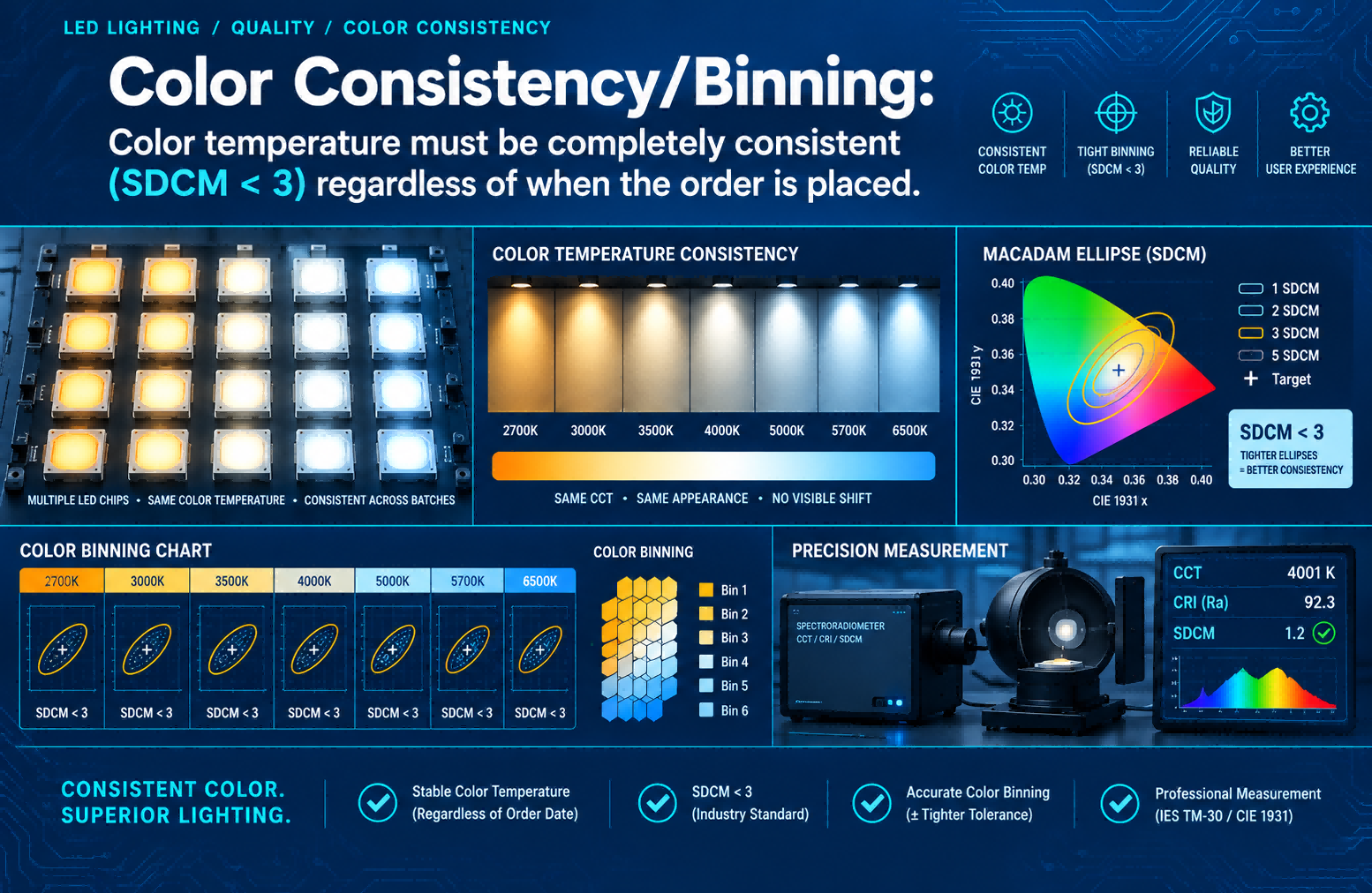
Color Temperature and CRI

Color temperature dictates the mood of the space. Warm white (three thousand Kelvin) enhances the golden and honey tones in onyx, creating a cozy atmosphere. Cool white (six thousand Kelvin) highlights the crisp whites and blues in quartzite, suitable for modern, clinical, or commercial environments. Tunable white systems allow users to adjust the temperature based on the time of day.
Color Rendering Index (CRI) is vital. A high CRI (above ninety) ensures the stone's true colors are displayed accurately. Low CRI lighting can make vibrant veins appear dull or grayish. Dimmable drivers are essential to control brightness levels, preventing the stone from becoming overly glaring in dark rooms.

Heat Management

LEDs generate heat, which can damage natural stone over time. Prolonged exposure to high temperatures may cause discoloration or cracking in sensitive minerals. Aluminum substrates are used to mount LEDs because they act as heat sinks. Proper ventilation gaps must be designed behind the stone panel to allow air circulation. Thermal paste should be applied between the LED board and the mounting frame to facilitate heat transfer away from the stone surface.

Structural Framework and Installation

Installing backlit marble requires precise engineering. The weight of the stone combined with the electrical components demands a robust support system.

Framing Systems

Aluminum frames are the industry standard. They are lightweight, corrosion-resistant, and easy to customize. The frame must hold the stone securely without applying excessive pressure that could cause stress fractures. Silicone gaskets are used between the stone and the metal frame to absorb vibrations and prevent direct contact. The depth of the frame must accommodate the stone thickness plus the depth of the LED module and wiring.

Accessibility for Maintenance

A critical design flaw in many installations is the lack of access to the lighting components. LEDs eventually fail or drivers malfunction. The installation design must include removable panels or access doors. Hinged frames or magnetic locking systems allow technicians to reach the electrical components without demolishing the stone structure. This is crucial for commercial settings where downtime must be minimized.

Wiring and Power Supply

Low voltage systems (twelve volts or twenty-four volts) are preferred for safety and efficiency. The power supply units (drivers) should be located in accessible junction boxes, not sealed behind the stone. Wiring must be concealed within the frame channels. All electrical connections should meet local safety codes, including proper grounding and insulation. For wet areas like bathrooms, IP65 rated waterproof LEDs and drivers are mandatory to prevent electrical hazards.

Light Diffusion Layers

In some cases, a diffusion sheet is placed between the LED source and the stone. This acrylic or polycarbonate layer helps scatter the light further, eliminating hot spots where the LEDs are brightest. This is particularly useful for darker stone varieties that require intense light to glow. The diffusion layer must be high quality to avoid yellowing over time, which would alter the color of the transmitted light.

Design Applications and Aesthetic Impact

The versatility of backlit marble allows it to be used in various architectural contexts. Each application requires different considerations regarding brightness and durability.
Design Applications and Aesthetic Impact

Residential Kitchens and Bars

Kitchen islands and bar countertops are popular locations. The glowing surface serves as both a workspace and a conversation piece. Here, durability is key. The stone must be treated with sealants to resist stains from wine, oil, or acids. The lighting should be dimmable to transition from bright task lighting during cooking to ambient mood lighting during entertaining.
Residential Kitchens and Bars

Bathroom Vanities and Showers

In bathrooms, backlit marble creates a spa-like ambiance. Vanity backsplashes illuminated from behind provide flattering light for grooming. Shower walls made of translucent stone can turn a routine shower into a luxurious experience. Moisture resistance is the primary concern. All electrical components must be fully sealed, and the stone must be non-porous or heavily sealed to prevent water absorption and mold growth.

Commercial Lobbies and Reception Desks

Hotels and corporate offices use backlit marble reception desks to convey prestige. The scale is larger, requiring multiple power zones to ensure uniform brightness across long surfaces. Branding elements can be integrated into the stone design. The lighting system should be robust enough to operate for extended hours without significant degradation.
Commercial Lobbies and Reception Desks

Feature Walls and Partitions

Large format slabs can be used as room dividers or feature walls. This adds depth to large spaces without blocking light transmission. In open-plan offices, backlit marble partitions provide visual separation while maintaining an airy feel. The pattern of the stone veins can be matched across multiple slabs to create a continuous bookmatched design, enhancing the visual impact.
Feature Walls and Partitions

Maintenance and Longevity

Proper maintenance ensures the longevity of both the stone and the lighting system. Neglect can lead to dimming, discoloration, or structural damage.

Cleaning Protocols

Natural stone is sensitive to harsh chemicals. Acidic cleaners can etch the surface of marble and onyx, making it dull and rough. Only pH-neutral cleaners should be used. Microfiber cloths are recommended to avoid scratching the polished surface. For textured finishes, soft brushes can remove dust from crevices. The lighting components should be dusted periodically to prevent heat buildup caused by insulation from dirt.

LED Lifespan and Replacement

High-quality LEDs have a lifespan of fifty thousand hours or more. However, drivers often fail before the LEDs. It is advisable to keep spare drivers compatible with the system. If a section of the light fails, the modular design should allow for replacing only the affected strip or panel rather than the entire system. Regular inspection of the brightness levels can help identify failing components before they go out completely.

Stone Sealing

Natural stone is porous. Sealing is required to prevent stains and liquid penetration. For backlit stone, the sealant must be clear and non-yellowing. Some sealants can alter the light transmission properties, so testing on a sample piece is recommended before full application. Re-sealing should be done annually for high-traffic areas like countertops.

Cost Considerations and Value Investment

Backlit marble is a premium feature with a corresponding cost structure. Understanding the cost drivers helps in budgeting effectively.

Material Costs

Natural translucent onyx is expensive due to rarity and quarrying difficulties. Large slabs without fractures command higher prices. Artificial alternatives reduce material costs significantly. The thickness of the slab also impacts price; thinner slabs require more careful handling, sometimes increasing fabrication costs despite using less material.

Fabrication and Installation

Specialized labor is required for cutting and polishing translucent stone. Standard marble fabricators may not have the expertise to handle backlighting requirements. Installation costs include framing, electrical wiring, and programming control systems. Complex shapes or curved surfaces increase fabrication time and waste, driving up the price.

Return on Investment

While the initial cost is high, the aesthetic value adds significant property value. In commercial spaces, it enhances brand image and customer experience. In residential settings, it is a unique selling point that distinguishes the property in the real estate market. Energy efficiency of modern LEDs keeps operational costs low, making it a sustainable luxury choice.

Future Trends in Backlit Stone Technology

The industry continues to evolve with new technologies enhancing performance and design possibilities.

Smart Home Integration

Integration with smart home systems allows voice control and automation. Lighting scenes can be programmed to match circadian rhythms, changing color temperature throughout the day. Motion sensors can activate the backlighting only when someone is near, saving energy and extending LED life.

Ultra-Thin Profiles

Advancements in LED brightness allow for thinner stone slabs without sacrificing glow. This reduces weight and makes installation easier on existing walls that cannot support heavy loads. New composite materials are being developed that mimic natural stone translucency with greater structural integrity.

Sustainable Sourcing

There is a growing demand for ethically sourced stone. Suppliers are increasingly providing certification regarding quarrying practices. Additionally, recycled glass composites that mimic translucent stone are gaining popularity as an eco-friendly alternative to natural quarrying.

Conclusion on Technical Execution

Successful implementation of LED backlit marble relies on the synergy between geology and engineering. It is not merely about attaching lights to stone. It requires a holistic approach considering light physics, thermal dynamics, structural engineering, and aesthetic design. When executed correctly, it transforms static material into a dynamic element of interior architecture. The result is a space that feels alive, luxurious, and meticulously crafted. Designers must prioritize quality in both the stone selection and the lighting components to avoid common pitfalls such as uneven lighting or premature failure. With proper planning and maintenance, backlit marble remains a timeless feature that elevates any environment.

FAQ

Can any type of marble be backlit?

No. Only translucent varieties such as onyx, certain quartzites, and specific calcite marbles allow light to pass through. Standard opaque marble will not glow and may only show surface reflection.

Does the stone get hot during operation?

The stone itself should not get significantly hot if proper heat sinks and aluminum frames are used. However, poor ventilation or high-power LEDs without thermal management can cause heat buildup that may damage the stone over time.

How difficult is it to replace the LEDs if they fail?

It depends on the installation design. If access panels or removable frames were installed, replacement is straightforward. If the stone was glued permanently without access points, removing the stone to fix the lights can be difficult and risky.

Is backlit marble suitable for outdoor use?

Generally, no. Natural stone can weather outdoors, and electrical components require extreme waterproofing. UV exposure can also degrade the resin in composite stones or alter the color of natural minerals. It is best suited for interior environments.

What is the average lifespan of the lighting system?

High-quality LED systems can last between fifty thousand to one hundred thousand hours. The power drivers usually have a shorter lifespan than the LEDs themselves and may need replacement every five to ten years depending on usage.

Summary

LED backlit marble panels represent a fusion of natural beauty and modern technology. The key to success lies in selecting the right translucent stone, such as onyx or quartzite, and pairing it with high-quality, uniform LED lighting. Technical considerations include managing heat dissipation through aluminum frames, ensuring high CRI for color accuracy, and designing accessible maintenance points for electrical components. Applications range from residential kitchens and bathrooms to commercial lobbies and reception desks. While the initial investment is higher than standard materials, the aesthetic impact and property value addition are significant. Proper maintenance involves using pH-neutral cleaners and ensuring electrical components remain accessible. Future trends point towards smart home integration and sustainable material sourcing. Ultimately, this design feature requires careful planning regarding structural support and lighting specifications to ensure longevity and visual perfection.
Contact ADLED for LED Backlit Light