

2026-07-29
How to Design Retail Lighting Systems for Perfect Visual Uniformity in Shopfitting Projects
How to Design Retail Lighting Systems for Perfect Visual Uniformity in Shopfitting Projects
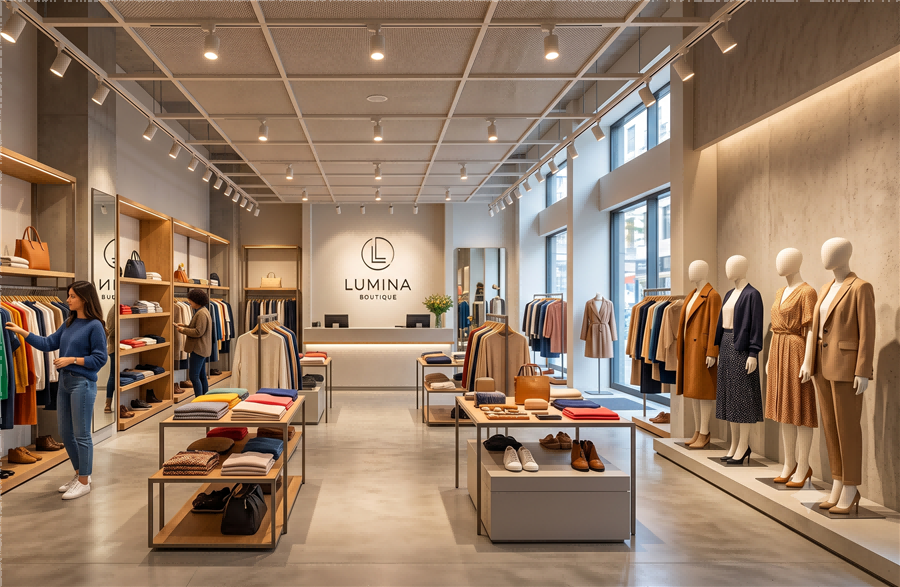
Walk into an Apple Store, a luxury boutique, or a premium cosmetics retailer, and you'll notice something before you even look at the products. The lighting feels effortless. There are no distracting bright spots. No dark corners. Every shelf looks balanced. Every product appears vibrant. Customers instinctively feel comfortable, confident, and encouraged to explore. Now compare that experience with a poorly illuminated store. Some shelves appear overly bright while others disappear into shadows. Product colors look inconsistent. Reflective surfaces create uncomfortable glare. Even premium merchandise suddenly appears ordinary. The difference often has very little to do with interior decoration. It is the result of visual uniformity. Lighting is one of the most powerful yet underestimated elements in modern shopfitting projects. It shapes how customers perceive products, influences purchasing decisions, reinforces brand identity, and even affects how long shoppers remain inside a store.
According to numerous retail studies, customers naturally spend more time in visually comfortable environments where products are evenly illuminated and easy to evaluate. Poor lighting not only reduces product visibility but also weakens perceived product quality and damages the overall shopping experience. Unfortunately, lighting is still treated as an afterthought in many retail fit-out projects.
Architects finish the interior.
Furniture is installed.
Shelving is completed.
Only then does someone ask:
"Where should we place the lights?"
By that stage, achieving excellent visual uniformity becomes significantly more difficult—and far more expensive. Professional retail lighting design begins long before the first luminaire is installed. It combines architectural planning, optical engineering, LED technology, lighting simulation, and installation expertise to produce seamless illumination across every retail space. This comprehensive guide explains exactly how professional shopfitting contractors, lighting designers, sign manufacturers, and retail brands create visually uniform lighting systems that improve customer experience, strengthen brand image, reduce maintenance costs, and maximize long-term energy efficiency.
Why Visual Uniformity Matters More Than Brightness
The Physics Behind Excellent Retail Lighting
Why Uniform Lighting Increases Retail Sales
Step-by-Step Guide: Designing Retail Lighting Systems for Perfect Visual Uniformity
Eliminate the Four Most Common Retail Lighting Problems
The 7 Principles of Achieving Perfect Retail Lighting Uniformity
Lighting Recommendations for Different Retail Formats
Professional Shopfitting Lighting Workflow
Integrating Smart Lighting Controls
Why Lighting Consistency Matters for Chain Stores
Common Shopfitting Lighting Mistakes to Avoid
Recommended LED Solutions for Different Shopfitting Applications
Case Study: Improving Lighting Uniformity for a Fashion Retail Chain
Professional Shopfitting Lighting Checklist
Frequently Asked Questions (FAQ)
Conclusion
The Physics Behind Excellent Retail Lighting
Why Uniform Lighting Increases Retail Sales
Step-by-Step Guide: Designing Retail Lighting Systems for Perfect Visual Uniformity
Eliminate the Four Most Common Retail Lighting Problems
The 7 Principles of Achieving Perfect Retail Lighting Uniformity
Lighting Recommendations for Different Retail Formats
Professional Shopfitting Lighting Workflow
Integrating Smart Lighting Controls
Why Lighting Consistency Matters for Chain Stores
Common Shopfitting Lighting Mistakes to Avoid
Recommended LED Solutions for Different Shopfitting Applications
Case Study: Improving Lighting Uniformity for a Fashion Retail Chain
Professional Shopfitting Lighting Checklist
Frequently Asked Questions (FAQ)
Conclusion