


2025-12-24
Should I Choose 4000K LED Lights? An In-Depth Guide
Should I Choose 4000K LED Lights? An In-Depth Guide
Stepping into the world of modern LED lighting can be surprisingly overwhelming. Gone are the days of simply grabbing a “60-watt bulb.” Now, you’re faced with a crucial decision: color temperature. Choices like 2700K, 3000K, 4000K, 5000K, and 6500K each create a vastly different atmosphere. Among these, 4000K LED lights often stand out as the “Goldilocks zone” – not too warm, not too cool. But is this neutral white light the right choice for you and your space?
This comprehensive guide will demystify 4000K lighting. We’ll explore its unique properties, undeniable benefits, potential drawbacks, and ideal applications. By the end, you’ll have all the information needed to make an informed decision and create the perfect ambiance in your home or office. Let’s illuminate the facts.
What is Color Temperature? Understanding Kelvins (K)
Spotlight on 4000K: A Deep Dive into Neutral White
Advantages & Benefits of 4000K LED Lights
Potential Drawbacks & Considerations
Best Applications: Where to Use 4000K Lights
Where to Avoid 4000K?
How to Choose High-Quality 4000K LEDs: A Buying Guide
FAQs About 4000K LED Lights
Final Verdict & Recommendations
Spotlight on 4000K: A Deep Dive into Neutral White
Advantages & Benefits of 4000K LED Lights
Potential Drawbacks & Considerations
Best Applications: Where to Use 4000K Lights
Where to Avoid 4000K?
How to Choose High-Quality 4000K LEDs: A Buying Guide
FAQs About 4000K LED Lights
Final Verdict & Recommendations
What is Color Temperature? Understanding Kelvins (K)
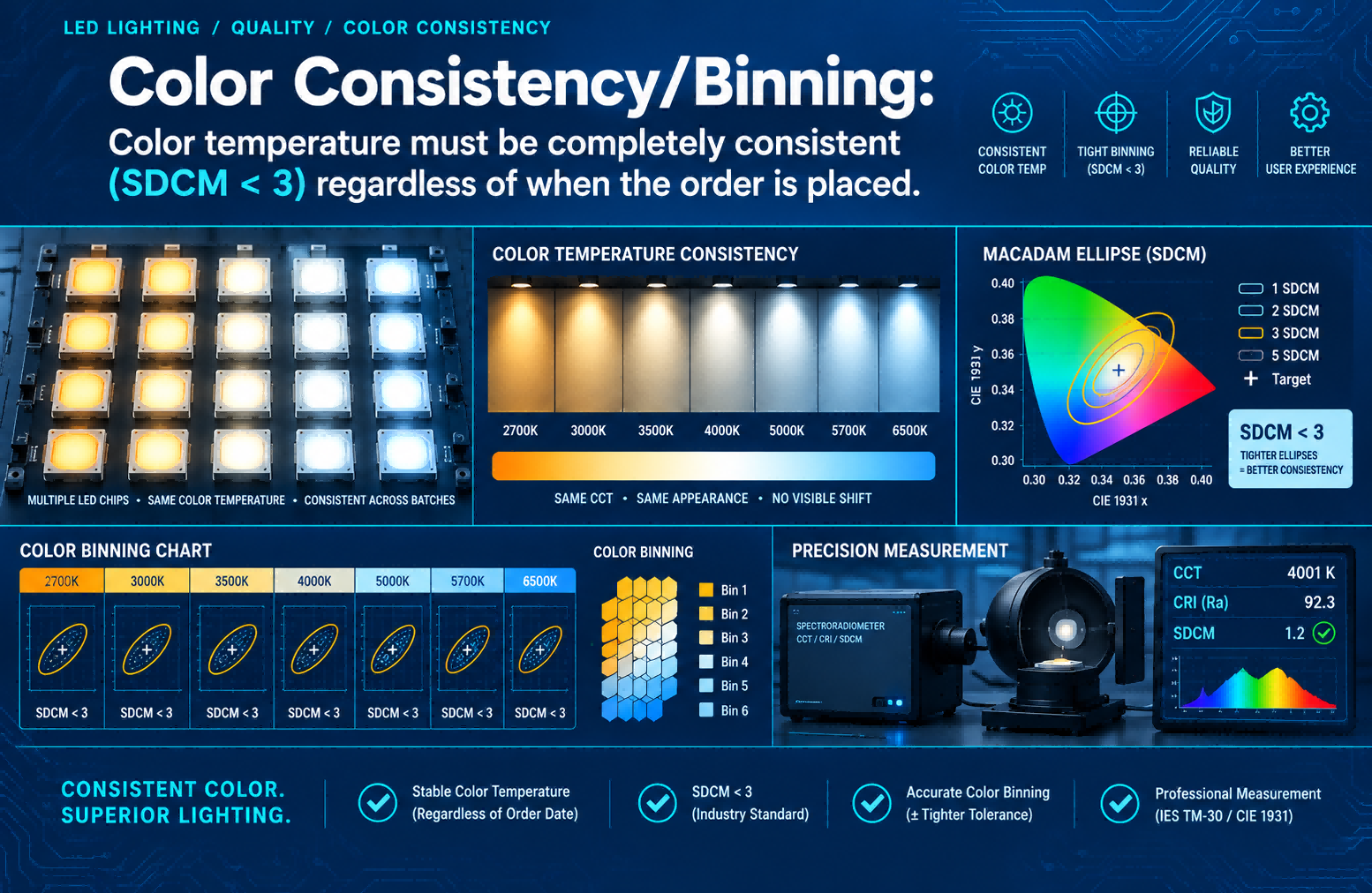
Before we focus on 4000K, it’s essential to understand the Kelvin (K) scale, the standard measure of light color temperature. Contrary to what the term might imply, it doesn’t refer to the heat a bulb produces but rather the visual warmth or coolness of the light it emits.
Imagine the scale of a metal being heated: it glows red at lower temperatures, then yellow, white, and finally blue at extremely high temperatures.
Lower Kelvin (2700K - 3000K): Emits a warm white or soft yellowish glow. It mimics the cozy, inviting light of traditional incandescent bulbs or sunset. This range promotes relaxation and is typical in living rooms and bedrooms.
Mid-Range Kelvin (3500K - 4000K): Produces a neutral white or pure white light. It offers a balanced, clean illumination without strong yellow or blue tints. It’s often compared to natural morning light on a clear day.
Higher Kelvin (5000K - 6500K): Emits a cool white or daylight blueish-white light. This crisp, energizing light resembles a bright midday sun or an overcast sky. It’s common in garages, hospitals, and retail spaces where maximum alertness and visual acuity are required.

Why does this matter? The color temperature of LED lights profoundly impacts the mood, functionality, and perceived color of a room. Choosing the right one is key to creating your desired environment.
Spotlight on 4000K: A Deep Dive into Neutral White
So, what exactly is 4000K light? Sitting perfectly in the middle of the warm-to-cool spectrum, 4000K is classified as neutral white. Its light is clear, balanced, and refreshingly neutral.

Visual Feel:
It provides excellent visual clarity without the stark, clinical feel of 5000K+ light or the drowsy warmth of 2700K light. Objects appear true to their color, and details are easy to discern.
Common Analogy:
The light of a crisp, cloudless morning shortly after sunrise, or the glow of a full moon. It’s natural and awakening without being harsh.
The Science:
On the chromaticity scale, 4000K light sits close to the “white point,” meaning it has a very balanced spectral output. When paired with a high Color Rendering Index (CRI), it shows colors almost as they would appear under ideal natural light.
Advantages & Benefits of 4000K LED Lights

The popularity of 4000K neutral white lighting isn’t accidental. It offers a compelling set of benefits for a wide range of applications.
Superior Versatility:
This is its greatest strength. 4000K LEDs can seamlessly function in both residential and commercial settings. They bridge the gap between cozy and productive, making them a fantastic whole-house option for those who prefer consistency.
Enhanced Focus and Visual Accuracy:
The balanced light reduces eye strain during prolonged tasks by providing high contrast and clarity. It’s ideal for activities requiring attention to detail, such as reading small print, cooking, crafting, or working on hobbies.
Natural and True Color Rendition:
Unlike warmer lights that can cast a yellow hue or cooler lights that can add a blue tint, 4000K presents colors in a very honest way. This makes it excellent for areas where color judgment is important, like art studios, kitchens (checking food doneness), and dressing areas.
Modern and Clean Aesthetics:
The light feels fresh, clean, and efficient. It complements modern, contemporary, industrial, and minimalist interior design styles beautifully, making spaces feel open and well-defined.
A Perfect Transition Lighting:
Many older offices and schools used fluorescent tubes in the 4000K-5000K range. Upgrading to 4000K LED tubes or panels provides similar brightness levels but with instant-on capability, no flicker, better energy efficiency, and improved light quality.
Potential Drawbacks & Considerations
While excellent, 4000K isn’t an universal solution.
Here are some factors to weigh:
Can Lack “Cozy” Ambiance: For spaces dedicated purely to relaxation and intimacy—like a main living room for movie nights or a bedroom—4000K may feel too sterile or “office-like” for some people. The warm, inviting glow of 2700K-3000K is often preferred here.
Coordination Challenges: If you’re mixing light temperatures in an open floor plan (e.g., 3000K in the living area and 4000K in the kitchen), the difference can be noticeable and potentially jarring if not carefully planned with transition zones.
Subjective Preference: Light preference is highly personal. Some individuals are more sensitive to cooler light tones and may always find 4000K slightly too clinical for any home use.
Best Applications: Where to Use 4000K Lights
Here’s a room-by-room guide to where 4000K LED lighting truly shines:
Kitchen Lighting:

The undisputed champion. It illuminates countertops for safe chopping, provides true color for cooking, and makes the entire space feel clean and functional. Perfect for under-cabinet lighting, recessed downlights, and pendant lights over islands.
Home Office / Study Lighting:

Enhances concentration, alertness, and productivity. Reduces eye fatigue from long hours of screen time or reading physical documents.
Bathroom (Task Areas) Lighting:

Excellent for vanities where you shave, apply makeup, or style hair, as it casts minimal shadows and shows an accurate reflection. (Consider separate, warmer lighting for the bath/shower area for relaxation).
Garage, Workshop, Basement, and Laundry Room:

Provides bright, clear light to see details for DIY projects, finding tools, sorting laundry, or navigating storage.
Retail Spaces & Showrooms Lighting:

Offers a balanced, honest light that makes products look natural and appealing without color distortion, encouraging customer confidence.
Commercial Offices & Workspaces Lighting:

Promotes a sense of energy and focus among employees while maintaining a professional, clean atmosphere.
Where to Avoid 4000K?
Bedrooms (Primary Overhead Lighting): The cooler spectrum of 4000K can interfere with melatonin production, potentially disrupting sleep cycles. Opt for 2700K-3000K here, and use 4000K only in a dedicated closet or reading nook if needed.
Living Rooms / Dens (If Coziness is the Goal): If your primary aim is a snug, intimate space for winding down, warmer tones are generally more effective.
Fine Dining or Romantic Restaurant Ambiance: Warm, low-Kelvin lighting is essential for creating an intimate and luxurious feel.
How to Choose High-Quality 4000K LEDs: A Buying Guide
Not all 4000K bulbs are created equal. Follow this checklist:
Prioritize CRI (Color Rendering Index): This measures how accurately a light source reveals colors. Look for a CRI of 90+ for exceptional color quality, especially in kitchens and workspaces. A CRI >80 is acceptable for general use.
Look for Lumens, Not Just Watts: Watts measure energy use; Lumens measure brightness. For a 4000K LED bulb to replace a traditional 60W incandescent (~800 lumens), ensure the LED package provides similar lumens.
Choose Reputable Brands: Stick with established brands like Philips, Cree, Sylvania, GE, or Satco for consistent color temperature, longevity, and performance. Check for warranties.
Check for Dimmability: If you plan to use the lights with a dimmer switch, you must purchase bulbs labeled as “Dimmable” and verify compatibility with your specific dimmer model.
Look for Certifications: Energy Star-certified bulbs meet strict standards for efficiency, light quality, and lifetime.
FAQs About 4000K LED Lights
Is 4000K good for your eyes?
Yes, 4000K light itself is not harmful to the eyes. In fact, its balanced nature can reduce eye strain during tasks compared to dimmer, warmer light or excessively bright, cool light. The key is to avoid glare and ensure adequate, even illumination.
Is 4000K good for reading?
Absolutely. Its high contrast and clarity make it an excellent choice for reading, especially for extended periods or with small text.
Can I use 4000K throughout my whole house?
You can, and many modern homes do for a consistent, clean look. However, be mindful that in bedrooms and deep relaxation areas, it may not feel as cozy. A popular strategy is to use 4000K in task areas and 3000K in relaxation areas.
Does 4000K look like fluorescent light?
Old fluorescent lights often had a poor CRI and a greenish tint, making them unflattering. A high-CRI 4000K LED provides a similar “bright white” feel but is vastly superior in color quality and visual comfort, without the flicker or buzz.
Is 4000K the same as “daylight white”?
Not exactly. “Daylight” typically refers to 5000K-6500K, which mimics the blue-white light of noon. 4000K is closer to morning or late afternoon natural light and is officially “neutral white.”
Final Verdict & Recommendations
So, should you choose 4000K LED lights?
The answer is a resounding YES if your primary need is for task-oriented, multifunctional spaces that require clear, balanced, and focus-friendly illumination. It is arguably the most versatile and practical single color temperature you can choose for kitchens, home offices, bathrooms, and workspaces.
Our final recommendation:
For a Modern, Unified Home: Using 4000K neutral white throughout hallways, kitchens, baths, and living areas can create a stunning, contemporary feel.
For a Balanced, Zoned Approach: Use 4000K in task-heavy areas (kitchen, office, garage) and 3000K in relaxation zones (bedroom, living room, dining room). This is the most popular and psychologically effective method.
For the Unsure or Flexible: Consider investing in smart LED bulbs that allow you to adjust the color temperature from 2700K to 4000K to 5000K on demand. This gives you ultimate control over ambiance for any time of day or activity.
Ultimately, the best lighting aligns with your space’s function and your personal comfort. By understanding the unique strengths of 4000K, you are now equipped to make a brilliant choice that will illuminate your life perfectly.
If you want to know more about 4000K LED strips, please contact us!