

2025-04-30
SMD LED vs COB LED: Which One is Better for Your Lighting Needs?
SMD LED vs COB LED: Which One is Better for Your Lighting Needs?
In the modern lighting landscape, the shift from traditional bulbs to LED technology is no longer a trend—it is the standard. However, as projects become more specialized, a critical question arises for architects, sign makers, and lighting engineers: Which LED architecture will actually deliver the best results?
The market is currently dominated by two powerhouse technologies: SMD (Surface-Mounted Device) and COB (Chip-on-Board). To the untrained eye, they both provide bright, energy-efficient light. But beneath the surface, they operate with vastly different philosophies. One offers the ultimate "LEGO-like" flexibility and color-changing versatility, while the other provides a seamless, "dot-free" beam of intense light that mimics the elegance of traditional neon.
Choosing the wrong one doesn't just affect the brightness; it impacts heat management, installation labor, and the long-term visual appeal of your project. In this comprehensive technical breakdown, we will put SMD vs. COB head-to-head. Whether you are illuminating a high-end retail display, building a rugged outdoor billboard, or designing a cinematic studio space, this guide will help you identify which technology is truly "better" for your specific lighting needs.
Understanding the Basics: SMD LED Technology
Exploring COB LED Technology
Head-to-Head Comparison: SMD vs. COB LEDs
Choosing the Right Technology for Your Application
Future Trends and Developments
Conclusion: Which is Better - SMD or COB LED?
Exploring COB LED Technology
Head-to-Head Comparison: SMD vs. COB LEDs
Choosing the Right Technology for Your Application
Future Trends and Developments
Conclusion: Which is Better - SMD or COB LED?
Understanding the Basics: SMD LED Technology
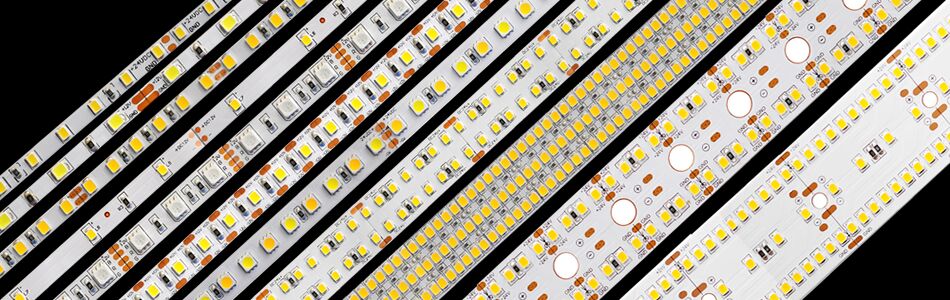
SMD (Surface-Mounted Device) LEDs represent one of the most common and versatile LED packaging technologies available today. These LEDs consist of individual diode chips mounted directly onto the surface of circuit boards, without the need for through-hole mounting or wire bonds.
Key Characteristics of SMD LEDs:
- Individual light sources: Each SMD package contains one or more LED chips
- Variety of sizes: Available in standardized sizes like 2835, 3528, 5050, and 5730
- Flexible configurations: Can be arranged in various densities and patterns
- Wide viewing angles: Typically 120-160 degrees
- Color options: Available in single colors, tunable white, and RGB variants
Advantages of SMD LEDs:
- Energy Efficiency: Modern SMD LEDs offer excellent lumen-per-watt ratios
- Design Flexibility: Can be arranged in virtually any configuration
- Heat Dissipation: Good thermal management due to direct PCB mounting
- Cost-Effectiveness: Economical for mass production and various applications
- Repairability: Individual LEDs can be replaced if damaged
Common Applications:
- Residential lighting fixtures
- LED strips and flexible lighting
- Backlighting for displays and TVs
- Automotive lighting
- Decorative and architectural lighting
Exploring COB LED Technology