

2026-02-04
The Ultimate Guide: How to Select the Perfect LED Module for Your Lighting Project
The Ultimate Guide: How to Select the Perfect LED Module for Your Lighting Project
Why Your Choice of LED Module Matters More Than Ever?
In the world of modern lighting, LED modules have become the fundamental building blocks of illumination. These compact, energy-efficient units power everything from subtle architectural accents to vast commercial lighting systems. Selecting the right LED module lighting component isn't just a technical decision—it's a financial, environmental, and aesthetic one that impacts performance for years to come.
The global high-brightness LED market continues to evolve rapidly, with technology focusing on enhancing luminous efficacy (lm/W), achieving superior color rendering (CRI >90), and ensuring excellent color consistency while addressing health concerns like blue light hazard and flicker effects. In this environment, a well-informed LED Module buying guide becomes an indispensable tool for designers, engineers, facility managers, and procurement specialists.
This comprehensive guide will walk you through every critical consideration—from understanding basic specifications to evaluating advanced performance metrics. Whether you're illuminating a retail space, designing an office environment, or working on a specialized industrial application, making the right choice begins here.
Understanding LED Modules: Components and Functionality
What Exactly Are LED Modules?
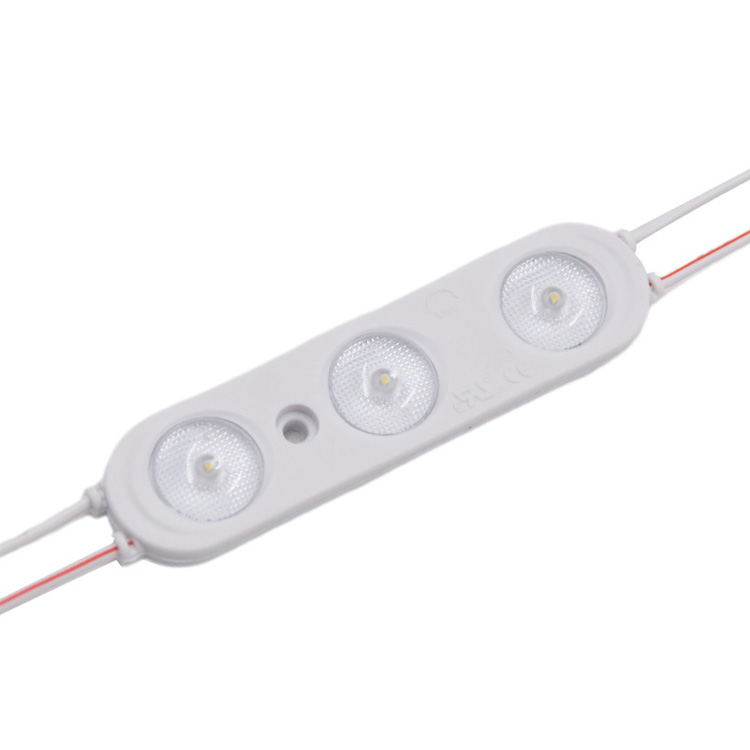
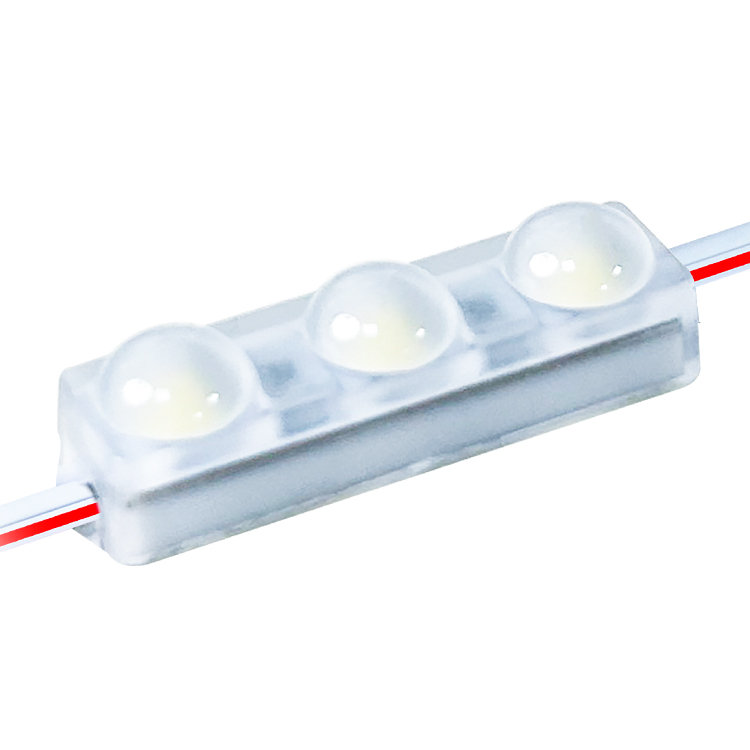

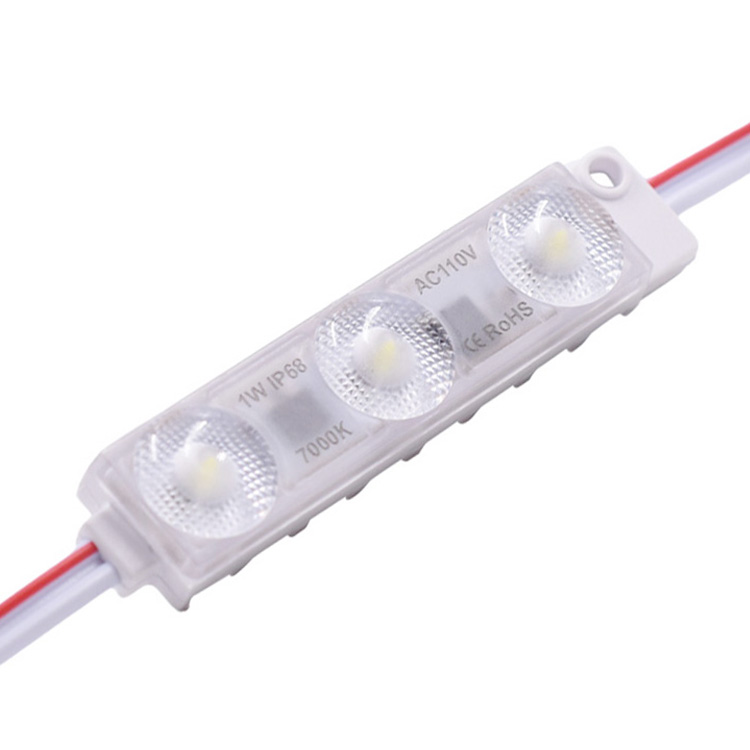
LED modules are integrated assemblies containing one or multiple light-emitting diodes (LEDs) mounted on a circuit board, typically accompanied by necessary electrical and mechanical components. Unlike standalone LED bulbs, these modules are designed to be incorporated into larger lighting systems—embedded into panels, strips, or custom fixtures to create tailored lighting solutions.
The fundamental advantage of modular LED systems lies in their flexibility. Designers can combine multiple modules to achieve specific lighting requirements, whether that involves particular lumen outputs, color temperatures, or form factors that standard bulbs cannot provide. This modular approach has revolutionized lighting design, enabling solutions that perfectly match spatial and functional needs.
Core Components of an LED Module

Every LED module consists of several key elements:
LED Chips: The heart of the module, where electrical energy converts to light. Chip quality directly influences efficiency, longevity, and color quality.
PCB (Printed Circuit Board): Provides structural support and electrical connectivity. Materials range from standard FR4 to metal-core PCBs (MCPCBs) for better heat dissipation.
Optics: Lenses or diffusers that control light distribution, beam angle, and intensity.
Driver/Power Supply: While sometimes external, many integrated modules include circuitry to regulate current and voltage.
Connectors: Interfaces for electrical connection and mechanical mounting.
Thermal Management: Heat sinks or thermal pads that dissipate heat away from LEDs to prevent premature degradation.
Evolution of LED Module Technology
LED technology has progressed through several generations, with current high quality LED modules representing the culmination of decades of research. Early LEDs offered efficiency advantages but suffered from poor color rendering and limited intensity. Today's modules leverage advancements in semiconductor materials, phosphor technology, and packaging to deliver previously unimaginable performance.
Modern LED modules increasingly incorporate intelligent capabilities, moving beyond simple illumination to become controllable nodes in smart lighting ecosystems. This evolution reflects broader industry trends toward human-centric, adaptive lighting that responds to environmental conditions and user needs.
Critical Technical Specifications for LED Module Selection
1. Luminous Efficacy and Energy Efficiency
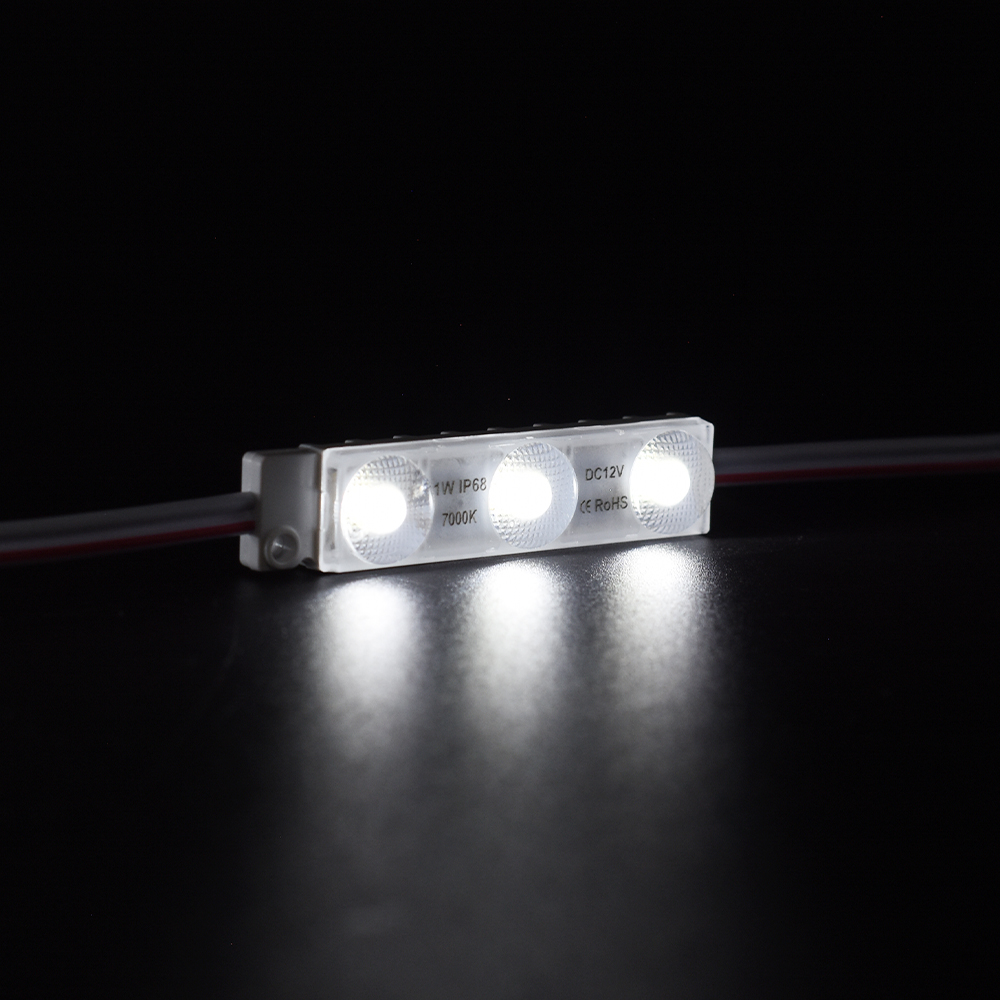

Luminous efficacy, measured in lumens per watt (lm/W), represents how effectively an LED converts electrical power into visible light. While basic modules might offer 80-100 lm/W, high quality LED modules now routinely achieve 130-180 lm/W, with premium products exceeding 200 lm/W in laboratory conditions.
When comparing products, consider both initial efficacy and maintained efficacy over time. Quality modules maintain a higher percentage of their initial output throughout their lifespan. Energy efficiency directly impacts operating costs—a difference of 20 lm/W in a large installation can translate to thousands of dollars in annual energy savings.
2. Color Rendering Index (CRI): Seeing Colors True to Life

The Color Rendering Index measures how accurately a light source reveals the true colors of objects compared to natural sunlight (which has a CRI of 100). Standard LED modules typically offer CRI values between 70 and 80, but high CRI LED modules (CRI >90) have become increasingly important for applications where color discrimination matters.
Consider these CRI guidelines for different applications:
CRI 70-80: Acceptable for general warehouse lighting, parking garages
CRI 80-90: Suitable for offices, classrooms, and most commercial spaces
CRI 90+: Essential for retail displays, art galleries, medical facilities, and high-end hospitality
CRI 95+: Specialized applications like photography studios, color matching, and premium retail
Recent advancements have extended beyond standard CRI to include metrics like R9 (saturated red), which is particularly important for skin tones and food displays, and TM-30-18, which provides a more comprehensive assessment of color rendition.
3. Color Temperature and Consistency

Color temperature, measured in Kelvin (K), describes the visual warmth or coolness of light. The selection profoundly impacts atmosphere and perception:
|
Color Temperature
|
Visual Appearance
|
Typical Applications
|
|---|---|---|
|
2700K-3000K
|
Warm White
|
Residential, hospitality, restaurants
|
|
3500K-4000K
|
Neutral White
|
Offices, classrooms, retail
|
|
5000K-6500K
|
Cool White
|
Hospitals, workshops, daylight simulation
|
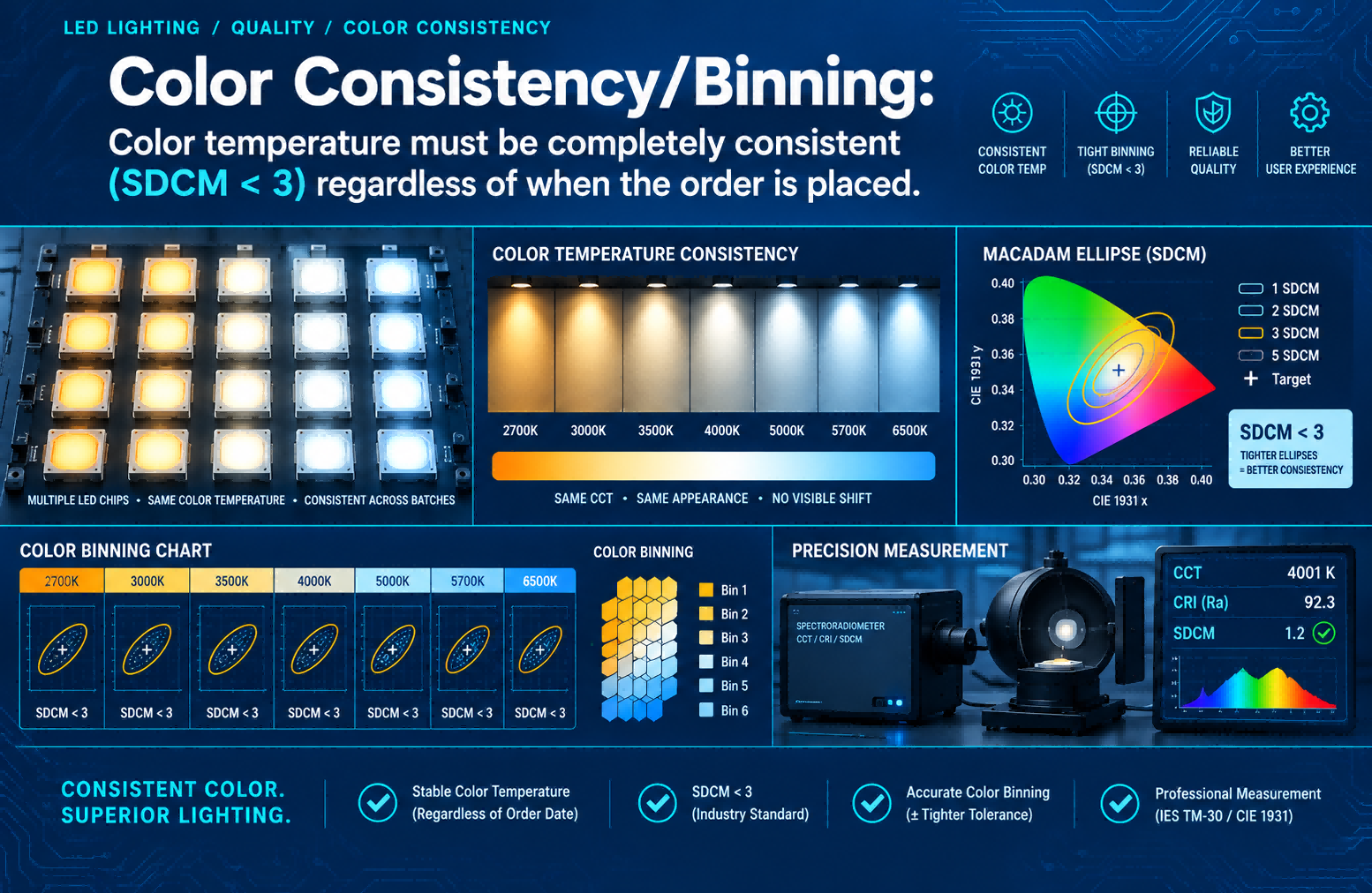
Beyond initial specification, compare LED module quality by examining color consistency—both between modules in the same batch and over the product's lifetime. High-quality manufacturers implement rigorous Binning processes, grouping LEDs by precise chromaticity coordinates to ensure uniform appearance. The MacAdam ellipse system quantifies this consistency, with smaller "steps" (like 2-step or 3-step) indicating tighter color matching.
4. Luminous Flux and Beam Angle

Luminous flux (lumens) quantifies the total visible light emitted, while beam angle determines how this light is distributed. A narrow beam concentrates light for accent or task lighting, while a wide beam disperses light for general illumination.
Advanced modules offer adjustable or asymmetric beam patterns, enabling precise lighting control without additional accessories. When specifying modules, consider both the total lumen output and how effectively that light will be delivered to the target area—a concept known as "application efficacy."
5. Dimming Capabilities and Protocols
Modern LED module lighting increasingly incorporates dimming functionality. Compatibility and performance vary significantly:
Trailing-edge (ELV) dimmers: Generally work well with LEDs but may require specific compatibility
Leading-edge (TRIAC) dimmers: Common in existing installations but can cause issues with LEDs
0-10V dimming: Reliable analog protocol widely used in commercial applications
DALI (Digital Addressable Lighting Interface): Intelligent digital protocol enabling individual addressability and advanced control scenarios
Wireless protocols: Bluetooth Mesh, Zigbee, or Wi-Fi enabled modules for smart lighting systems
High-quality modules specify dimming ranges (often 1%-100% or lower) and maintain color stability throughout the dimming range—a challenge where cheaper products often falter.
Essential Quality and Reliability Factors
Thermal Management: The Key to Longevity
Heat is the primary enemy of LED performance and lifespan. Effective thermal management distinguishes ordinary modules from exceptional ones. High quality LED modules incorporate:
Metal Core PCBs (MCPCB): Aluminum substrates that conduct heat away from LED chips
Thermal Interface Materials: Efficient compounds between components and heat sinks
Optimized Heat Sink Design: Sufficient surface area for convection cooling
Quality manufacturers provide detailed thermal performance data, including thermal resistance metrics (℃/W) from junction to case or ambient. When comparing LED module quality, examine how the product manages heat under realistic operating conditions, not just ideal laboratory settings.
Driver Quality and Electrical Protection
The driver regulates power to the LEDs, impacting efficiency, flicker, and lifespan. Key considerations include:
Efficiency: Look for drivers with ≥90% efficiency
Power Factor: ≥0.9 indicates better utilization of electrical supply
Protections: Over-current, over-voltage, short-circuit, and thermal protections
Lifetime: Driver longevity should match or exceed LED lifespan claims
Safety Certifications: UL, CE, TÜV, or other relevant regional certifications
Integrated modules (LEDs and driver combined) offer installation simplicity, while separate components provide flexibility and easier maintenance.
Lifespan Ratings and Lumen Maintenance
LED lifespan is typically expressed as the number of hours until light output declines to a percentage of initial lumens, denoted as LXX (where XX is the percentage). For example, L90 50,000 hours means 90% of initial output remains after 50,000 hours of operation.
Be cautious of unrealistic lifespan claims exceeding 100,000 hours unless supported by LM-80 test data from independent laboratories. The LM-80 standard measures lumen depreciation of LED packages, arrays, and modules under controlled conditions. TM-21 then extrapolates this data to predict long-term performance.
Ingress Protection (IP) Ratings
The IP code indicates protection against solid objects (first digit) and liquids (second digit). Appropriate ratings depend on installation environment:
|
Installation Environment
|
Recommended IP Rating
|
Protection Provided
|
|---|---|---|
|
Indoor, dry locations
|
IP20
|
Protection against fingers, no water protection
|
|
General indoor areas
|
IP40
|
Protection against small wires, no water protection
|
|
Bathrooms, kitchens
|
IP44
|
Protection against splashing water from any direction
|
|
Outdoor, sheltered
|
IP65
|
Dust-tight, protected against low-pressure water jets
|
|
Outdoor, exposed
|
IP67
|
Dust-tight, protected against temporary immersion
|
Higher IP ratings often involve compromises in thermal performance due to sealed enclosures, so select the minimum rating that satisfies environmental requirements.
Matching LED Modules to Specific Applications
Commercial Office Lighting
Office environments require balanced illumination supporting visual tasks, comfort, and circadian rhythms. Recommended specifications:
Color Temperature: 3500K-4000K for neutral, alert yet comfortable light
CRI: ≥80 for general areas, ≥90 for meeting rooms and collaborative spaces
Dimming: Compatible with building management systems, preferably DALI
Glare Control: UGR (Unified Glare Rating) <19 for visual comfort
Flicker: Imperceptible (<1% at typical dimming levels) to prevent eye strain
Modern office modules increasingly incorporate human-centric lighting capabilities, with tunable white (CCT-adjustable) options that vary color temperature throughout the day to support natural circadian rhythms.
Retail and Display Lighting
Retail applications demand lighting that enhances merchandise appeal while providing comfortable shopping environments. Key considerations include:
High CRI LED modules (≥90, preferably ≥95) for accurate color representation
Enhanced R9 values for vibrant reds (crucial for fabrics, food, cosmetics)
Directional control for accent lighting on featured merchandise
Consistent color temperature across the store to maintain cohesive appearance
Flexibility to adapt to changing displays and merchandise rotations
Luxury retailers often employ modules with exceptional color rendering (CRI 97+) and precise beam control to create visually compelling displays that drive sales.
Industrial and Warehouse Lighting
Industrial environments prioritize efficiency, durability, and maintenance reduction:
High efficacy (≥150 lm/W) to minimize energy costs in spaces requiring 24/7 operation
Robust construction with impact-resistant lenses and corrosion-resistant materials
Wide operating temperature range (-40℃ to 50℃ or wider for unheated spaces)
High bay options with precise beam control to direct light where needed
Optional motion sensors and adaptive controls for additional savings
Industrial modules should deliver consistent performance despite vibration, dust, and temperature fluctuations common in these environments.
Residential Lighting
Residential applications balance technical performance with aesthetic considerations:
Warm color temperatures (2700K-3000K) for most living spaces
High CRI (≥90) for flattering skin tones and vibrant interiors
Excellent dimming performance with smooth fade to 1% or lower
Compact form factors that integrate discreetly into architectural elements
Consistency across multiple modules in open-plan spaces
Increasingly, residential modules incorporate smart home compatibility, allowing integration with popular ecosystems like Apple HomeKit, Google Home, or Amazon Alexa.
The LED Module Buying Guide: A Step-by-Step Selection Process
Step 1: Define Your Lighting Requirements
Begin by thoroughly analyzing your project's specific lighting requirements:
Quantitative needs: Required illuminance levels (measured in lux) for different tasks and areas
Qualitative needs: Desired atmosphere, visual comfort, and color rendering priorities
Spatial constraints: Available dimensions for module integration and heat dissipation
Control requirements: Desired dimming, zoning, and smart functionality
Regulatory compliance: Local energy codes, safety standards, and rebate program requirements
Document these requirements before evaluating products to maintain objective comparisons.
Step 2: Establish Budget Parameters
Determine both initial investment and total cost of ownership, which includes:
Module cost: Initial purchase price per unit or system
Installation costs: Labor, additional components, and potential structural modifications
Energy costs: Based on efficacy, operating hours, and local electricity rates
Maintenance costs: Expected replacements, cleaning, and control adjustments
Potential rebates: Utility company incentives for energy-efficient installations
Higher-quality modules often justify premium pricing through energy savings, reduced maintenance, and superior performance over their lifespan.
Step 3: Research and Shortlist Potential Products
Utilize multiple information sources:
Manufacturer documentation: Technical datasheets, installation guides, and photometric files
Independent testing: Reports from organizations like DLC (DesignLights Consortium), ENERGY STAR, or regional equivalents
Case studies: Similar applications with documented performance
User reviews: Feedback from professionals with hands-on experience
Create a comparison matrix to evaluate shortlisted products against your defined requirements.
Step 4: Evaluate Sample Products
Never specify large quantities without testing physical samples:
Assess visual qualities: Color temperature, rendering, and consistency between samples
Test dimming performance: Smoothness, range, and stability throughout the range
Verify compatibility: With existing controls, drivers, or systems
Check build quality: Materials, finish, and thermal design
Measure performance: If possible, validate light output, efficacy, and color metrics
Request samples from multiple manufacturers for direct comparison under identical conditions.
Step 5: Verify Certifications and Warranties
Ensure products carry appropriate certifications for your region and application:
Safety certifications: UL, ETL, CE, or regional equivalents
Performance certifications: DLC, ENERGY STAR for quality verification
Warranty terms: Coverage period, what's included (parts, labor, shipping), and claim process
Manufacturer reputation: Financial stability and track record of honoring warranties
Read warranty fine print carefully—some exclude failures due to improper thermal management or incompatible controls.
Step 6: Plan for Installation and Maintenance
Consider the full implementation:
Installation requirements: Special tools, skills, or sequence considerations
Thermal considerations: Adequate heat sinking and ventilation in the final installation
Commissioning needs: Programming, aiming, or calibration requirements
Maintenance plan: Cleaning procedures, inspection intervals, and spare parts availability
End-of-life considerations: Recycling or disposal requirements
High-quality modules should simplify rather than complicate installation and long-term maintenance.
Advanced Considerations: Smart and Adaptive LED Modules
Tunable White and Color Changing Modules
Advanced modules now offer dynamic color control:
Tunable White: Adjustment along the blackbody locus (typically 2700K-6500K)
Full Color: RGB or RGBW modules capable of producing millions of colors
Color-on-demand: Preset scenes or dynamic sequences for various applications
These capabilities enable spaces that adapt to different functions or times of day, supporting everything from focused work to relaxing environments.
Connected and IoT-Enabled Modules
The convergence of lighting with the Internet of Things creates intelligent systems that:
Respond to occupancy: Automatically adjust based on presence detection
Adapt to daylight: Continuously balance artificial and natural light
Monitor space utilization: Provide data on how spaces are used
Integrate with building systems: Coordinate with HVAC, security, and other systems
Enable predictive maintenance: Alert facilities teams before failures occur
Selecting connected modules requires evaluating communication protocols, cybersecurity features, and compatibility with existing infrastructure.
Human-Centric Lighting and Circadian Support
Emerging research on light's non-visual effects has spurred modules designed to support human health and performance by:
Mimicking natural daylight cycles: Dynamic color temperature and intensity changes
Providing circadian-effective stimuli: Specific spectra to regulate melatonin production
Offering personalized lighting: Individual control for task areas or workstations
While standards are still evolving, high-quality manufacturers provide spectral power distribution data allowing designers to evaluate potential non-visual effects.
Future Trends in LED Module Technology
Miniaturization and Increased Density
Advancements in packaging are driving two parallel trends:
Smaller individual modules enabling more discreet integration
Higher lumen density within similar form factors for more compact high-output solutions
These trends support architectural lighting that disappears into structures while providing ample illumination.
Enhanced Efficiency and Sustainability
Future developments focus on:
Higher efficacy approaching theoretical limits (currently around 255 lm/W for phosphor-converted white LEDs)
Reduced material use through advanced designs and manufacturing
Improved recyclability with easier disassembly and material recovery
Lower embodied carbon from manufacturing through disposal
Sustainable manufacturing and circular economy principles are increasingly influencing product development.
Integration of Additional Functions
LED modules are evolving beyond illumination to incorporate:
Visible Light Communication (Li-Fi): Using light waves for data transmission
Indoor positioning: Enabling precise location services within buildings
Environmental sensing: Measuring air quality, temperature, or occupancy
Energy harvesting: Capturing ambient energy for auxiliary functions
These multifunctional modules will transform lighting systems into building intelligence networks.
Conclusion: Making an Informed LED Module Selection
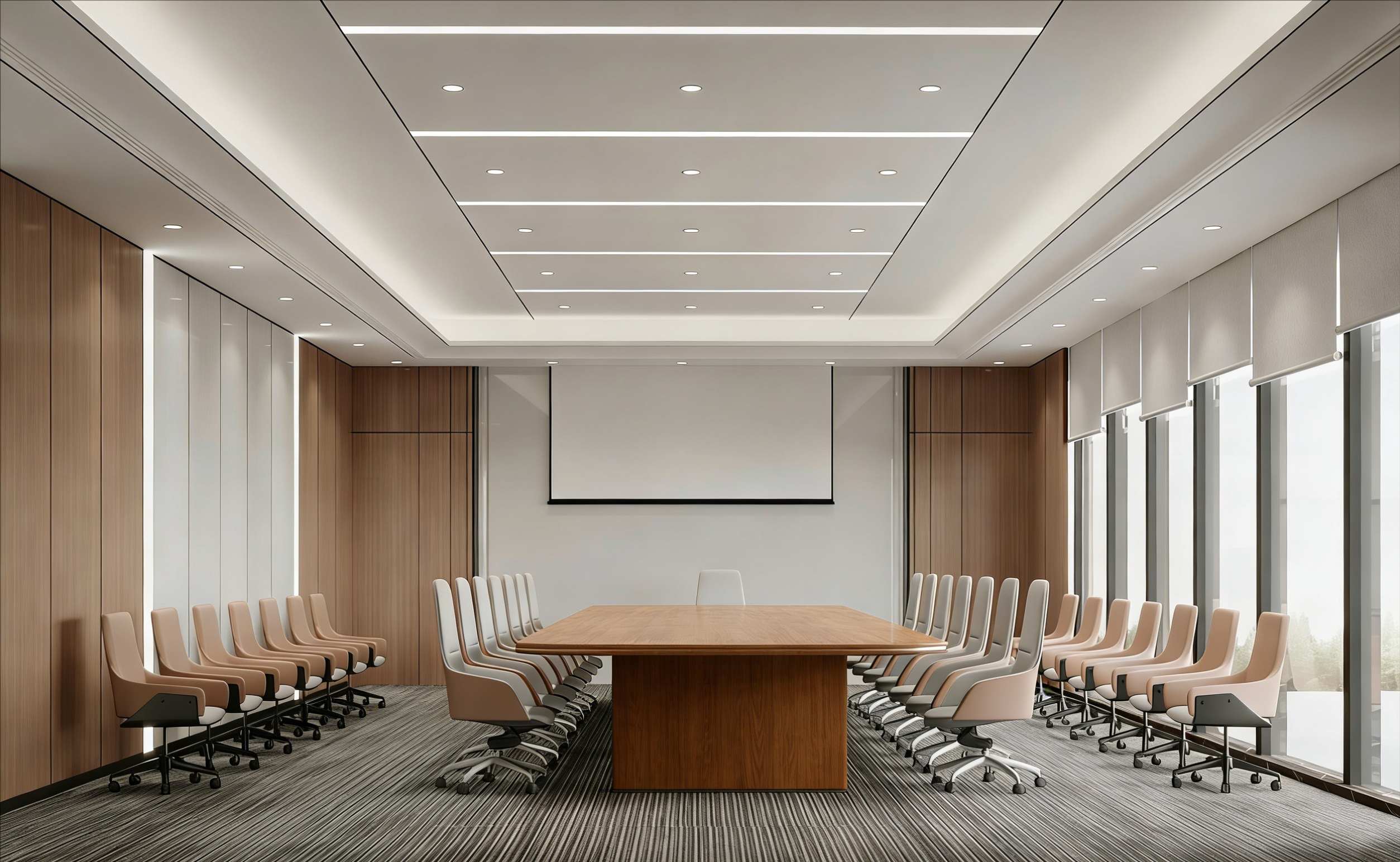

Selecting the right LED modules requires balancing multiple technical, economic, and aesthetic considerations. By methodically evaluating your lighting requirements, understanding key performance metrics, and comparing LED module quality across manufacturers, you can specify solutions that deliver optimal results throughout their lifespan.
Remember that the most expensive modules aren't always the best for your application, nor are the least expensive options truly economical when considering total cost of ownership. Focus on value—products that deliver the performance you need at a sustainable price point, backed by reliable support and warranty protection.
As LED technology continues advancing at a remarkable pace, staying informed about developments will help you make increasingly sophisticated selections. The journey to perfect illumination begins with understanding these fundamental building blocks and continues through thoughtful application of that knowledge to create spaces that are functional, comfortable, and inspiring.
FAQ
What is CRI, and why does it matter when choosing LED modules?
CRI (Color Rendering Index) measures how accurately an LED module reveals the true colors of objects compared to natural light. For tasks where color precision is essential—like retail displays, art lighting, or kitchen countertops—high CRI LED modules (CRI ≥90) are recommended to ensure vibrant and accurate color representation.
CRI (Color Rendering Index) measures how accurately an LED module reveals the true colors of objects compared to natural light. For tasks where color precision is essential—like retail displays, art lighting, or kitchen countertops—high CRI LED modules (CRI ≥90) are recommended to ensure vibrant and accurate color representation.
How can I compare the real quality and lifespan of different LED modules?
Look beyond basic specs: check for LM-80 test data (for lumen maintenance), IP ratings for durability, and thermal management design. High-quality modules often provide a detailed L90 rating (hours until output drops to 90%), and come with a warranty of 5+ years, ensuring long-term reliability.
Look beyond basic specs: check for LM-80 test data (for lumen maintenance), IP ratings for durability, and thermal management design. High-quality modules often provide a detailed L90 rating (hours until output drops to 90%), and come with a warranty of 5+ years, ensuring long-term reliability.
Are all LED modules dimmable? What should I check for compatibility?
Not all modules support dimming. To avoid flickering or limited range, verify the module’s dimming protocol (e.g., 0-10V, DALI, TRIAC) and ensure it matches your existing dimmers or controls. Reputable manufacturers specify compatible dimmers and offer smooth dimming down to 1% or lower.
Not all modules support dimming. To avoid flickering or limited range, verify the module’s dimming protocol (e.g., 0-10V, DALI, TRIAC) and ensure it matches your existing dimmers or controls. Reputable manufacturers specify compatible dimmers and offer smooth dimming down to 1% or lower.
Are you looking for LED module products? Please feel free to contact us at any time, and we will provide you with some purchasing guidance.