

2025-12-30
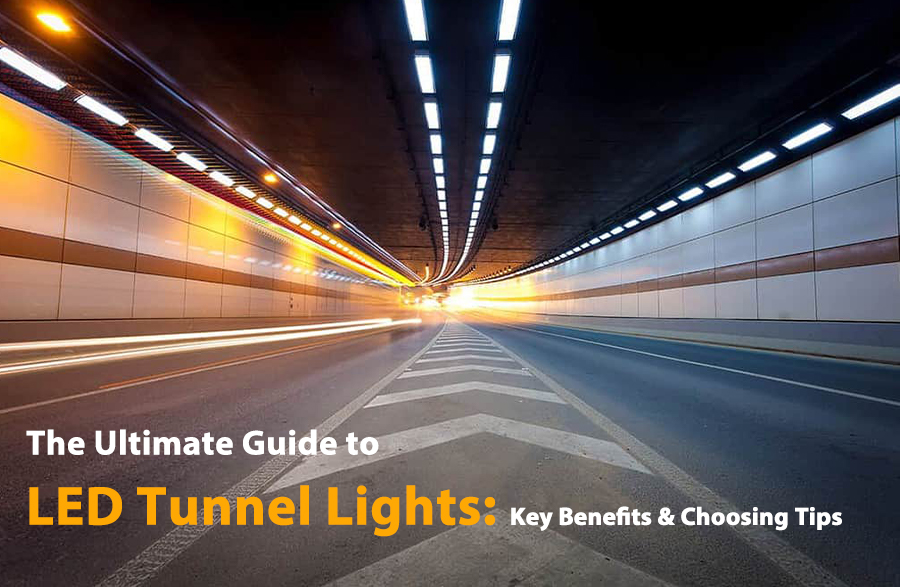
The Ultimate Guide to LED Tunnel Lights: Key Benefits & Choosing Tips
The Ultimate Guide to LED Tunnel Lights: Key Benefits & Choosing Tips
Tunnel lighting plays a critical role in modern infrastructure, ensuring safety, visibility, and efficiency in underground passages and roadways. As traditional lighting solutions like high-pressure sodium and metal halide lamps phase out, LED tunnel lights have emerged as the superior alternative, offering transformative advantages in energy savings, durability, and performance. This comprehensive guide explores the key benefits of LED tunnel lighting and provides expert tips for selecting the right fixtures for your project.

The Evolution of Tunnel Lighting
Historically, tunnels relied on conventional lighting technologies that consumed excessive energy, required frequent maintenance, and provided inconsistent illumination. These systems often struggled with challenges such as poor color rendering, glare, and rapid lumen depreciation. The advent of LED technology revolutionized tunnel illumination by addressing these shortcomings head-on. LED tunnel lights are now the preferred choice for engineers, contractors, and municipal authorities worldwide, thanks to their advanced optical control, long lifespan, and adaptability to smart systems.
Key Benefits of LED Tunnel Lights
1. Exceptional Energy Efficiency and Cost Savings
LED tunnel luminaires convert a significantly higher percentage of electrical energy into visible light compared to traditional options. This efficiency translates into direct reductions in electricity consumption—often by 50% to 70%. For tunnels operating 24/7, the cumulative savings on energy bills are substantial. Moreover, lowered energy demand contributes to reduced carbon footprints, aligning with global sustainability goals and green building certifications.
2. Superior Lifespan and Reduced Maintenance
A high-quality LED tunnel light can operate for 50,000 to 100,000 hours, far exceeding the lifespan of conventional lamps. This longevity minimizes the frequency of replacements, which is especially valuable in tunnel environments where maintenance work disrupts traffic and poses safety risks. Fewer interventions mean lower labor costs and reduced inventory needs for spare parts.
3. Enhanced Safety Through Optimal Illumination
Safety is paramount in tunnel design. LED lights offer excellent color rendering (CRI >70), helping drivers distinguish colors and details more accurately. They provide uniform light distribution without flickering, reducing eye strain and improving reaction times. Advanced optics can be tailored to minimize glare and prevent the "black hole" effect at tunnel entrances, ensuring smooth visual adaptation for drivers.
4. Robust Durability and Environmental Resistance
Tunnels are harsh environments with vibrations, humidity, dust, and temperature fluctuations. LED tunnel fixtures are built with robust housings, typically from die-cast aluminum, and are rated IP65 or higher for dust and water resistance. They withstand vibration better than fragile filament-based lights and operate reliably in extreme temperatures, ensuring consistent performance in challenging conditions.
5. Smart Lighting Integration and Adaptive Control
Modern LED tunnel systems are compatible with intelligent controls. Through sensors and networked management systems, brightness can be adjusted based on real-time factors like traffic density, external daylight, or time of day. This dynamic lighting further enhances energy savings, extends LED lifespan, and allows for remote monitoring and fault detection, simplifying facility management.
6. Environmental Sustainability
LEDs contain no hazardous materials like mercury (found in some traditional lamps) and are fully recyclable. Their energy efficiency directly reduces greenhouse gas emissions from power plants. By choosing LED tunnel lighting, projects contribute to cleaner air and support regulatory compliance with environmental standards.
Essential Tips for Choosing LED Tunnel Lights
Selecting the appropriate LED tunnel luminaires requires careful consideration of technical specifications and project-specific needs. Here is a detailed guide to making an informed decision.
1. Analyze Luminous Efficacy and Light Output
Luminous efficacy, measured in lumens per watt (lm/W), indicates how efficiently the fixture converts power into light. For tunnels, prioritize lights with high efficacy (typically 130 lm/W or above). However, also evaluate the total lumen output to ensure it meets the required illumination levels (lux) as per regional standards like EN 12464-2 or IESNA guidelines for tunnel lighting.
2. Prioritize Optical Design and Uniformity
The optical system determines light distribution. Look for asymmetrical optics designed specifically for tunnel walls and road surfaces to achieve uniform illuminance without dark spots. Avoid excessive brightness contrasts, which can cause visual fatigue. Request photometric data or diagrams from manufacturers to verify the light pattern.
3. Verify Ingress Protection and Durability Ratings
The fixture’s IP rating is crucial. IP65 is a minimum for most tunnels, protecting against dust and water jets. For areas prone to flooding or high-pressure washing, consider IP66 or IP67. Additionally, check the IK rating for impact resistance. Corrosion-resistant materials (e.g., aluminum with powder-coated finish) are essential for longevity in humid, saline, or polluted environments.
4. Consider Thermal Management
Effective heat dissipation is key to LED performance and lifespan. Choose lights with well-designed heat sinks that maintain a low junction temperature. Overheating can lead to premature lumen depreciation and color shift. Products with a proven thermal management system will offer more reliable long-term operation.
5. Evaluate Color Temperature and CRI
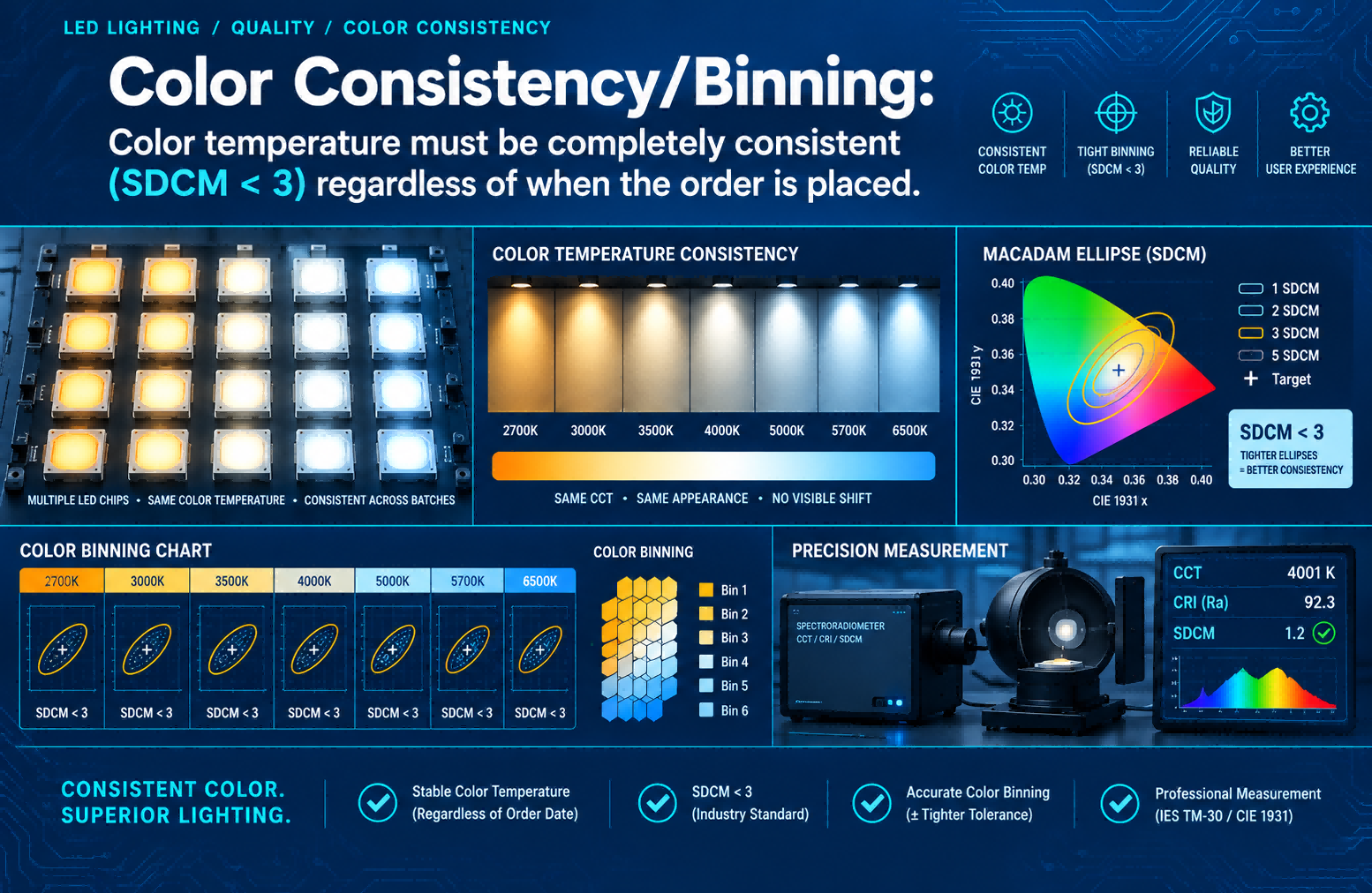
For tunnel lighting, a neutral white to cool white color temperature (4000K to 5700K) is generally recommended. It enhances alertness and provides a natural visual feel. Ensure the Color Rendering Index (CRI) is 70 or higher for accurate object recognition. Consistency in color temperature across all fixtures is also important to avoid a patchy appearance.
6. Assess Power Supply and Driver Quality
The LED driver is as important as the LEDs. It should be efficient, reliable, and suitable for the input voltage range. Look for drivers with high Power Factor (PF >0.9) and low Total Harmonic Distortion (THD <20%). Drivers with surge protection are vital for tunnels, where power fluctuations may occur. Ensure the driver is easily accessible for maintenance if needed.
7. Plan for Dimming and Control Compatibility
Determine if the project requires dimming capabilities. If so, select tunable LED tunnel lights compatible with standard protocols like 0-10V, DALI, or PWM. This allows for integration into centralized control systems for adaptive lighting scenarios, contributing to smart tunnel management.
8. Review Certifications and Compliance
Ensure products meet international safety and performance standards, such as CE, RoHS, IEC 60598, and specific tunnel lighting norms. Certifications from recognized bodies validate quality and reliability. Also, check if the manufacturer offers warranties—a confident warranty period (e.g., 5 years) often reflects product quality.
9. Calculate Total Cost of Ownership
While the initial investment in LED tunnel lighting may be higher than traditional options, evaluate the Total Cost of Ownership (TCO). TCO includes purchase price, installation, energy consumption, maintenance, and replacement costs over the system's lifetime. LEDs invariably offer a lower TCO due to their efficiency and longevity.
10. Request Samples and Test Reports
Before large-scale procurement, obtain product samples for on-site testing if possible. Review third-party photometric and laboratory test reports to verify the manufacturer’s claims. This step can prevent discrepancies between expected and actual performance.
Installation and Maintenance Best Practices
Proper installation maximizes the benefits of LED tunnel lights. Follow manufacturer guidelines for mounting height, spacing, and alignment. Use compatible brackets and ensure all electrical connections are secure and waterproof. For maintenance, establish a routine schedule for cleaning lenses and checking connections, even though LEDs require less frequent attention. Keeping a log of performance metrics can help in proactive management and early fault detection.
Future Trends in Tunnel Lighting
The future of LED tunnel lighting is intertwined with smart city development. Expect wider adoption of IoT-connected luminaires that communicate with traffic sensors and weather stations. Li-Fi (Light Fidelity) technology, which transmits data through light, may also find applications in tunnels for communication and positioning. Continued improvements in LED chip efficiency and adaptive optics will further enhance performance while driving down costs.
Conclusion
LED tunnel lights represent a significant leap forward in illuminating underground transportation corridors. Their unparalleled energy efficiency, long service life, enhanced safety features, and adaptability make them an indispensable choice for modern tunnel projects. By carefully considering factors such as optical design, durability, smart compatibility, and certifications, stakeholders can select optimal lighting solutions that ensure safety, reduce operational costs, and contribute to sustainable infrastructure. As technology advances, LED tunnel lighting will continue to evolve, offering even greater intelligence and efficiency for the roads of tomorrow.


FAQ
How much energy do they save?
Typically, they save 50%-70% energy compared to traditional lights like HPS, significantly reducing electricity bills and ensuring a short payback period.
Are they durable for tunnel environments?
Yes. They are engineered for harsh conditions with robust housings, high ingress protection ratings (e.g., IP65/IP66) for dust and water resistance, and excellent vibration resistance.
What is their lifespan? Do they require maintenance?
Lifespan is over 50,000 hours, far exceeding traditional options. While not entirely maintenance-free, they drastically reduce replacement frequency and long-term maintenance costs, lowering the total cost of ownership.
How to choose the right color temperature?
A neutral white to cool white light in the 4000K to 5700K range is recommended. This enhances alertness, provides good contrast for visibility, and offers a brighter, more comfortable visual feel.
Can they be integrated with smart controls?
Absolutely. Modern LED tunnel lights support dimmable drivers and can be connected to smart systems (e.g., DALI) and sensors for adaptive lighting, remote monitoring, and further energy savings.
If you have any questions about the LED Lights, please feel free to contact us at any time.