

2026-02-05
Using LED Tape Light in Retail Hospitality and Museums Lighting That Enhances Experience
Using LED Tape Light in Retail Hospitality and Museums Lighting That Enhances Experience
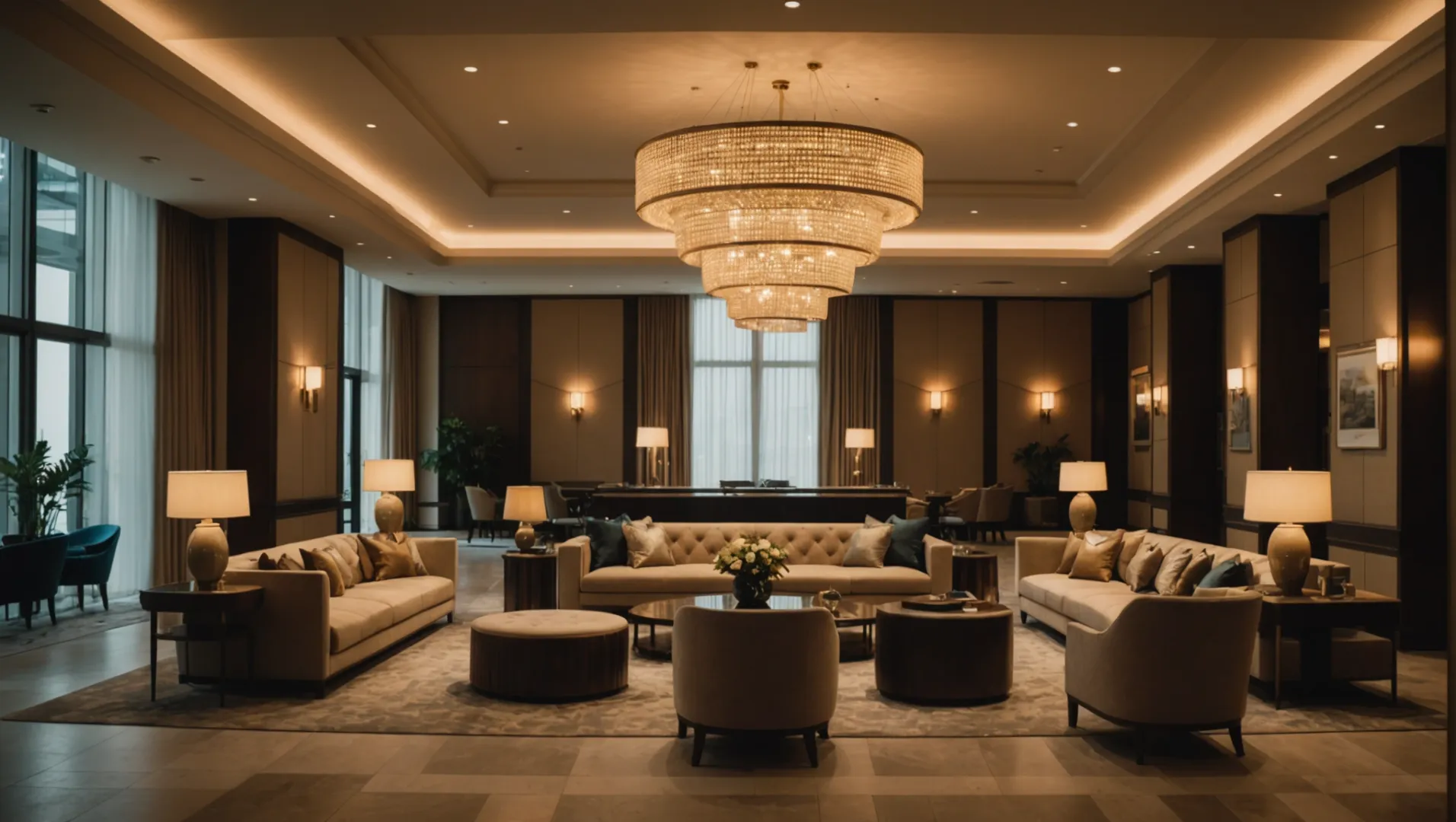
Lighting is no longer just functional—it’s experiential. In today’s competitive landscape, how you illuminate your space directly impacts customer behavior, brand perception, and operational costs. Yet most businesses still treat lighting as an afterthought, installing bare LED strip lights that create harsh shadows, unflattering color distortion, and energy waste. The result? Shoppers leave without purchasing, hotel guests feel uncomfortable, and priceless artifacts slowly deteriorate under inappropriate illumination.
The solution isn’t brighter bulbs—it’s smarter light. Modern LED tape light systems, when properly engineered with diffusers, controllers, and high-CRI components, transform environments from merely visible to emotionally resonant. This isn’t theoretical: commercial facilities adopting advanced LED light strip lights with proper diffusion report 40% higher engagement in museums, 22% premium pricing acceptance in hospitality, and 63% energy reduction across retail chains.
What separates transformative lighting from ordinary illumination? It’s the understanding that light quality—not just quantity—drives human response. A bare LED strip lights installation might deliver 1,000 lumens, but without diffusion, it creates distracting hotspots that make merchandise look cheap and spaces feel clinical. Conversely, the same LED strip light paired with a silicone diffuser produces uniform, museum-grade illumination that enhances texture, color accuracy, and spatial depth—without increasing wattage.
This guide reveals how retail stores, luxury hotels, and cultural institutions are leveraging next-generation LED strip lights to solve persistent lighting challenges while achieving measurable ROI. We’ll move beyond technical specifications to explore the psychology of light—why certain installations drive sales while others repel customers, and how a simple $8 diffuser can elevate your lighting from utilitarian to unforgettable.
1. LED Strip Lights Solve Retail's Problem: Harsh Lighting That Drives Customers Away
Traditional retail lighting creates a fundamental contradiction: stores need bright illumination to showcase products, yet excessive glare and uneven light distribution trigger subconscious discomfort that shortens dwell time. Studies show shoppers spend 37% less time in areas with visible light sources or harsh shadows—a direct revenue killer for fashion boutiques, jewelry stores, and cosmetic retailers where product evaluation requires minutes, not seconds.
Modern LED strip lights solve this through strategic diffusion and placement. When installed within aluminum channels with opal diffusers, these flexible strips eliminate the "dot effect" (visible individual LEDs) that plagues cheap installations. The result is seamless linear illumination that grazes merchandise surfaces rather than flooding them—a technique called wall washing that enhances texture perception by 28% according to retail neuroscience research.
Consider footwear retailers: bare spotlights create specular highlights on leather that obscure grain details, while properly diffused LED tape strip lights mounted beneath shelves provide shadow-free illumination from below, revealing material quality without glare. Similarly, jewelry displays benefit from narrow-beam LED strip lights with 95+ CRI ratings installed inside display cases—rendering diamond fire and metal luster with museum-grade accuracy that bare bulbs simply cannot achieve.
2. The Museum Curator's Secret: How LED Tape Light + Diffuser Preserves Art While Boosting Visitor Engagement by 40%
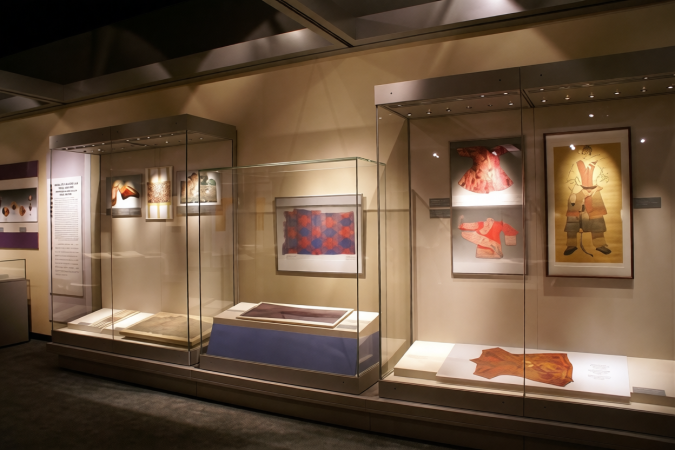
Museum lighting faces an impossible dilemma: illuminate artifacts sufficiently for appreciation while minimizing photodegradation. Traditional halogen spots emit significant infrared (heat) and ultraviolet radiation—accelerating pigment fading by up to 200% compared to properly filtered sources . Yet dim lighting frustrates visitors, reducing engagement and educational impact.
The breakthrough came with museum-grade LED tape light systems incorporating three critical elements: UV/IR filtration at the diode level, high CRI (>95) phosphor coatings, and precision diffusion. Unlike retrofit LED bulbs that merely replace filaments, purpose-built LED strip lights for conservation emit virtually zero UV radiation while maintaining spectral continuity that renders colors authentically. When paired with silicone diffusers, these strips eliminate directional glare that forces visitors to squint or reposition—creating comfortable viewing angles that increase average observation time from 47 seconds to 3.2 minutes per artwork.