

2026-04-03
Why Outdoor Signs Fail in 6 Months: The Real Truth Between IP65 and IP68 Modules
Why Outdoor Signs Fail in 6 Months: The Real Truth Between IP65 and IP68 LED Modules
You’ve just invested thousands of dollars in a glowing outdoor sign for your business. Six months later, half the LEDs are flickering, moisture is fogging the lens, and the colors look washed out.The manufacturer said it was “weatherproof” and rated IP65. But the sign is failing—just like thousands of others every single year.
Why does this happen? And why do some signs using IP68 LED modules keep shining bright year after year, while IP65 LED modules turn into expensive, dim rectangles within months?
In this post, I’ll reveal the engineering truths, material science facts, and real-world performance gaps between IP65 and IP68 LED modules for outdoor signage. You’ll learn exactly why your outdoor sign is dying too soon—and how to stop wasting money on the wrong protection rating.
Let’s start with the harsh reality: most outdoor sign failures are not random. They follow a predictable pattern caused by water ingress, thermal stress, and corrosion. And the IP rating on the box rarely tells the whole story.

The Hidden Epidemic of Premature Sign Failure
IP Ratings Decoded: What IP65 and IP68 Actually Mean
Why IP65 LED Modules Fail in Real Outdoor Environments
Real-World Case Study: Fast Food Chain’s $50,000 Mistake
IP68 LED Modules: How They Solve the Problem
The Cost Argument: Why Cheap IP65 Signs Cost More in the Long Run
When Can You Get Away with IP65?
The Great Lie: “IP65 Waterproof” Marketing
7 Signs Your Outdoor Sign Is Failing (Before It Goes Dark)
How to Choose the Right IP Rating for Your Signage
The Technical Truth: IP68 Submergence Tests Are Not All Equal
Material Matters: Why Potting Beats Seals Every Time
Installation Mistakes That Kill IP65 and Even IP68 Signs
How to Extend the Life of Your Outdoor Sign (Even with IP65)
The Future: Self-Healing Coatings and Nanotechnology
Conclusion: Stop Throwing Money at Failing IP65 Signs
IP Ratings Decoded: What IP65 and IP68 Actually Mean
Why IP65 LED Modules Fail in Real Outdoor Environments
Real-World Case Study: Fast Food Chain’s $50,000 Mistake
IP68 LED Modules: How They Solve the Problem
The Cost Argument: Why Cheap IP65 Signs Cost More in the Long Run
When Can You Get Away with IP65?
The Great Lie: “IP65 Waterproof” Marketing
7 Signs Your Outdoor Sign Is Failing (Before It Goes Dark)
How to Choose the Right IP Rating for Your Signage
The Technical Truth: IP68 Submergence Tests Are Not All Equal
Material Matters: Why Potting Beats Seals Every Time
Installation Mistakes That Kill IP65 and Even IP68 Signs
How to Extend the Life of Your Outdoor Sign (Even with IP65)
The Future: Self-Healing Coatings and Nanotechnology
Conclusion: Stop Throwing Money at Failing IP65 Signs
The Hidden Epidemic of Premature Sign Failure
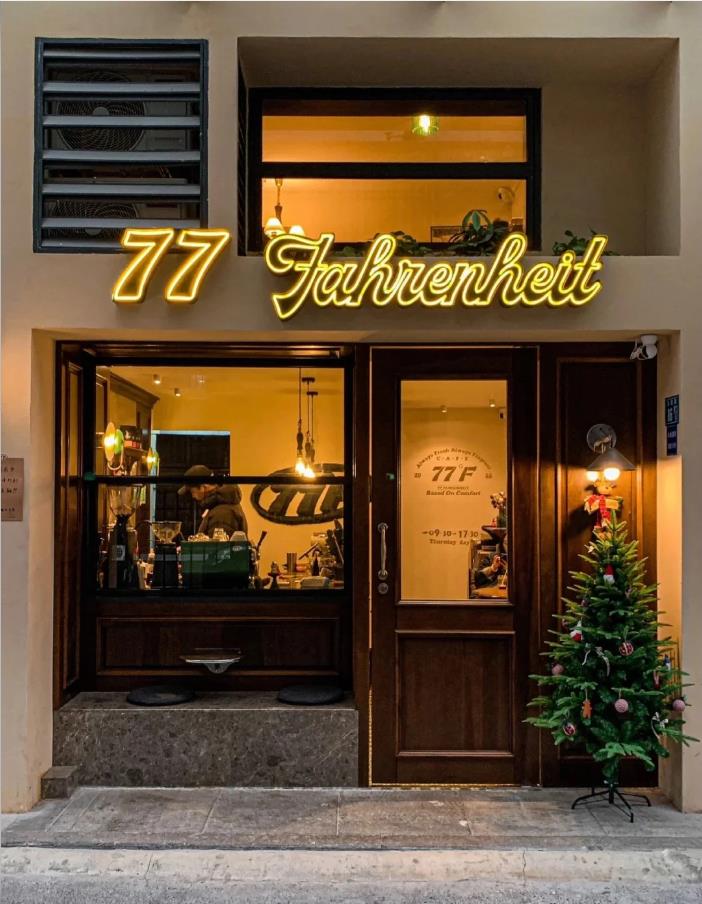
Outdoor signs are exposed to a brutal environment: rain, humidity, UV radiation, temperature swings from -20°C to +50°C, dust, salt spray (near coasts), and even bird droppings. An LED sign that works perfectly indoors can fail outdoors in weeks.
Industry data shows that nearly 35% of all outdoor LED signs fail within the first 12 months. Among those, over 60% fail specifically due to moisture intrusion, not electrical issues or LED chip failure. And here’s the kicker: the vast majority of those moisture-related failures happen to signs rated IP65 or lower.
Why? Because IP65 is not what most sign buyers think it is. Let’s demystify the IP code.
IP Ratings Decoded: What IP65 and IP68 Actually Mean
The Ingress Protection (IP) rating consists of two digits:
-
First digit (6): Solid particle protection – dust-tight. Both IP65 and IP68 share the same “6” – meaning they are completely dust-proof.
-
Second digit (5 vs 8): Liquid ingress protection.
IP65 (second digit 5): Protected against water jets. Specifically, water projected by a nozzle (12.5mm diameter) from any direction. The test uses 12.5 liters per minute at 30 kPa pressure for 3 minutes from 3 meters away. It is not designed for prolonged submersion or continuous rain with wind pressure.
IP68 (second digit 8): Protected against continuous immersion in water under conditions specified by the manufacturer. Typically this means immersion beyond 1 meter for extended periods (often 1.5–3 meters for 24–72 hours). For signage, “continuous” often means rainstorms, standing water, pressure washing, or even temporary flooding.
So the fundamental difference: IP65 resists splashing and jets. IP68 survives submersion. For an outdoor sign mounted on a building, rain is not just a gentle splash. Wind drives water horizontally into seams. Condensation forms inside as temperatures cycle. Water pools on top of the sign and seeps through microscopic gaps. IP65 often fails these real-world conditions.
Why IP65 LED Modules Fail in Real Outdoor Environments
Let me walk you through the typical death sequence of an IP65 outdoor sign module.